Gutter guards are one of those home improvement products that generate strong opinions on both sides. Some Western Sydney homeowners swear by them as a low-maintenance solution that has transformed how they manage their roof drainage. Others have had expensive disappointments, paying for a product that failed to perform or that created new problems they did not anticipate.
The honest answer to whether gutter guards are worth it for Western Sydney homes is that it depends: on the type of debris your property generates, the type of product you choose, how realistically you understand what a guard can and cannot do, and whether the product is correctly installed for your specific roof and gutter configuration.
This article works through that answer in depth, covering the real-world performance of different gutter guard types in Western Sydney conditions, what installation costs actually look like, and how to make a genuinely informed decision about whether a guard is the right investment for your property.
To answer this question properly, it helps to understand what gutter guards are being asked to do in a Western Sydney context and how that differs from the conditions they were designed for.
Western Sydney has a debris profile that is more demanding than many other parts of Greater Sydney. The region has a significant proportion of mature native vegetation, including large eucalypts, paperbarks, and angophoras, that shed bark strips, seed capsules, and fine leaf material continuously throughout the year rather than in a defined seasonal pattern. Many properties also sit under or adjacent to introduced species including jacarandas, frangipanis, and various fruiting trees that add to the debris load.
The combination of fine bark particles and seed capsules is particularly challenging for gutter guard products. Fine material passes through coarser mesh guards and accumulates inside the gutter channel below the guard. Coarser material, including larger bark strips and leaf clusters, can bridge across the top of the guard rather than sliding off, eventually forming a layer that blocks water entry during heavy rain.
Any assessment of whether gutter guards are worth it in Western Sydney has to be made against this specific debris context rather than against a generic benchmark.
A correctly specified and installed gutter guard will:
A gutter guard will not:
Western Sydney homeowners who purchase a gutter guard with the expectation that it fully removes their maintenance obligations are setting themselves up for disappointment. Those who understand it as a tool that reduces maintenance frequency and improves storm performance within a continued maintenance approach are more likely to be satisfied.
A clear-eyed assessment of the advantages and disadvantages of gutter guards in the Sydney context helps homeowners weigh the decision accurately.
Reduced cleaning frequency. For properties with heavy debris loads from overhanging native trees, a correctly specified gutter guard can reduce the required cleaning frequency from three or four times per year to once or twice per year. Over a five to ten year period, that maintenance reduction has a real dollar value.
Storm performance improvement. A gutter guard prevents the sudden surge of leaves and debris that a storm event strips from surrounding vegetation from entering and blocking the gutter in a single event. This is one of the most practical benefits of a guard in a Western Sydney context, where storms can deliver large volumes of debris to the roofline in minutes.
Bushfire ember protection. For Western Sydney properties in or near bush interface zones, including areas adjacent to the Blue Mountains, Georges River, and Hawkesbury foothills, gutter guards that comply with AS 3959 bushfire construction requirements provide meaningful ember attack protection by preventing dry leaf accumulation in the gutter channel that could ignite from an ember shower.
Pest deterrence. A gutter guard denies birds and rodents access to the gutter channel as a nesting site. Removing this access reduces pest-related gutter blockages and the damage that nest building causes to gutter surfaces and downpipe entries.
Reduced guttering wear. Debris sitting against the gutter surface holds moisture and accelerates corrosion. A guard that keeps the channel clear between cleans reduces this contact and can extend the service life of the guttering itself.
Cost versus actual benefit. Quality gutter guard products correctly installed represent a meaningful upfront investment. For properties with modest tree coverage where twice-yearly cleaning is already sufficient, the cost of a guard installation may not be recovered in maintenance savings over a realistic product lifetime.
Product mismatch with local debris. Many homeowners purchase guards based on general descriptions rather than on a specific assessment of their debris type. A product designed for large-leaf debris will not prevent seed capsules and fine bark particles from entering the channel. This mismatch can result in a property that still requires frequent cleaning but now has the additional complication of cleaning around or through a guard.
Maintenance complexity increases. When cleaning is required on a guarded gutter, it is often more labour-intensive than cleaning an open channel. Debris that bridges across the mesh or accumulates beneath the guard requires the guard to be lifted or removed, cleaned, and refitted. For some product types, this requires the same access equipment and skill level as the original installation.
Risk of pooling on the guard surface. A guard that accumulates a layer of fine debris or biological growth on its upper surface can restrict water entry during heavy rain, causing overflow from the guard surface rather than from inside the gutter. In this scenario, the guard performs worse than no guard at all during the peak events when performance matters most.
Understanding the cost structure for gutter guard installation in Western Sydney helps homeowners evaluate whether a specific product and quote represents fair value.
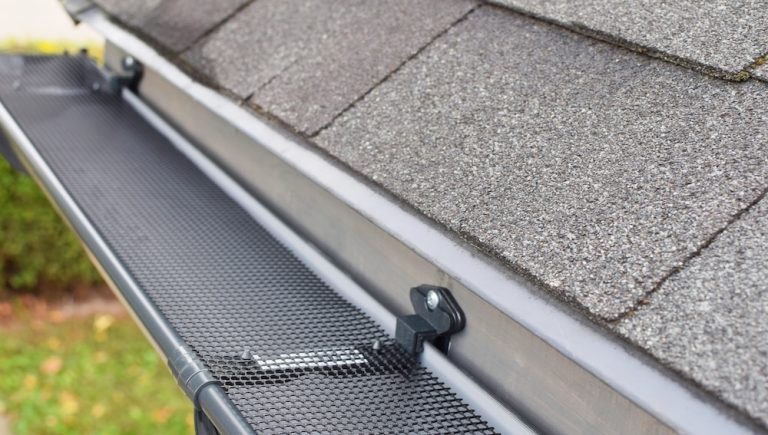
Gutter guard products for Western Sydney residential installations broadly fall into four categories, each with different characteristics and price points:
A professional gutter guard installation for a Western Sydney property should cover:
Any quote that does not include a pre-installation clean is worth querying. A guard installed over a dirty gutter traps the existing debris below the guard where it cannot easily be removed.
Not every property in Western Sydney has the same needs, and the best gutter protection system is the one that matches the specific conditions of the individual property.
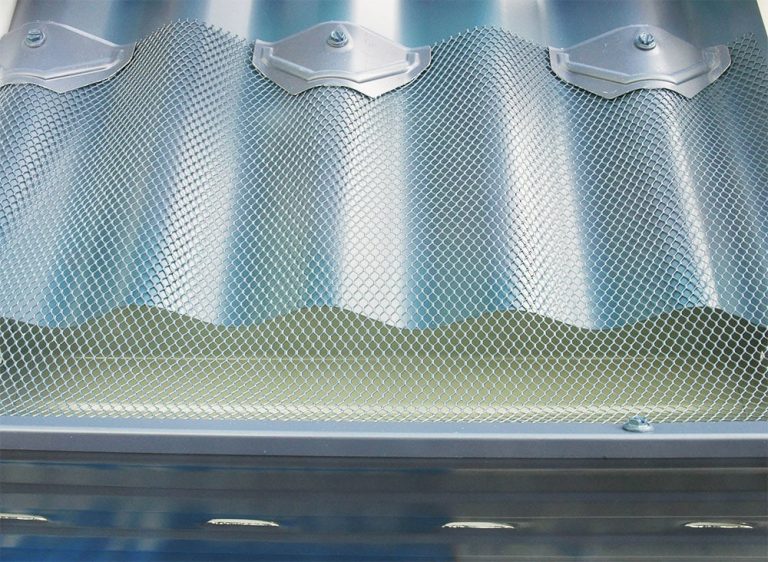
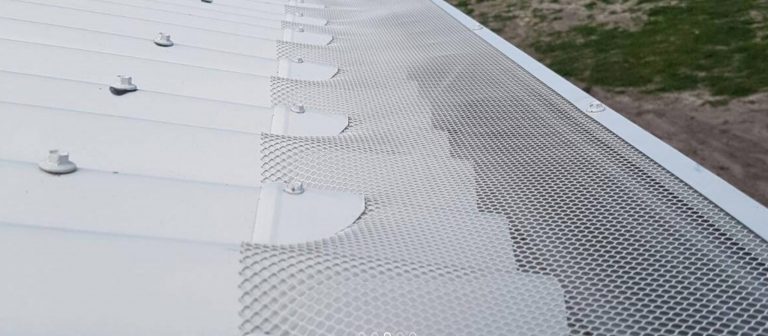
Aluminium micro-mesh is the most appropriate product category. The fine mesh prevents the seed capsules, bark particles, and fine leaf fragments that native trees produce from entering the channel. The rigid frame maintains its shape under debris loading and UV exposure in a way that cheaper products do not.
The higher upfront cost of micro-mesh is justified for properties where debris accumulation is genuinely frequent and where the guard will provide a meaningful reduction in maintenance frequency over its service life.
Only products that comply with AS 3959 bushfire construction requirements should be used in BAL-rated zones. These products are specifically tested for ember resistance and are the only guard type that provides meaningful fire protection. Installing a non-compliant product in a bushfire zone provides a false sense of security regarding ember attack.
Check whether your property has a BAL rating before purchasing any gutter guard product, and confirm with the supplier that the product is compliant with the relevant standard for your specific BAL designation.
For Western Sydney homeowners with moderate debris loads and a primary interest in reducing maintenance frequency rather than eliminating it, a mid-range aluminium mesh product represents reasonable value. It provides meaningful debris exclusion, has acceptable longevity, and costs less than micro-mesh while outperforming foam and plastic alternatives.
The key is ensuring the mesh aperture matches the debris type and that the product is professionally installed with a pre-installation clean.
For more information on gutter guard products and professional installation options, the gutter guard page covers the product types available and what a professional assessment of your roof and gutter configuration involves.
For Western Sydney homeowners looking for locally relevant gutter maintenance and installation services, the Western Sydney page provides information on what is available in the region.
Gutter guards can be a worthwhile investment for Western Sydney homes, but they are not a universal solution and they are not all equal. The right product for a property with large native eucalypts shedding bark year-round is a different product from what suits a suburban garden with a single deciduous tree. Making the investment count requires an honest assessment of the debris environment, a realistic understanding of what the guard can achieve, and a commitment to ongoing maintenance even after the guard is fitted. Homeowners who approach it that way consistently get better outcomes than those who treat a guard installation as a maintenance problem fully solved.