There is a widespread belief among homeowners who have installed gutter guards that the job is done. The product is on, the leaves are blocked, and the gutters can be forgotten about. This belief is understandable: it is essentially what many gutter guard products are marketed to deliver. But for homeowners in Balgowlah Heights specifically, it leads to a false sense of security that can result in the exact type of blockage and overflow damage the guard was meant to prevent.
Balgowlah Heights sits on Sydney’s northern beaches peninsula with dense native bushland on its borders, significant bird activity from adjacent Middle Harbour and Manly Lagoon, and a microclimate that combines coastal salt air with the subtropical debris characteristics of the surrounding vegetation. These conditions test gutter guards in ways that the product brochures do not fully describe, and understanding why guards still require regular attention in this environment is the foundation of actually benefiting from having one installed.
The starting point for understanding why gutter guards still need maintenance is understanding what they actually do and, critically, what they do not do. This distinction is poorly communicated in most guard marketing and poorly understood by most buyers.
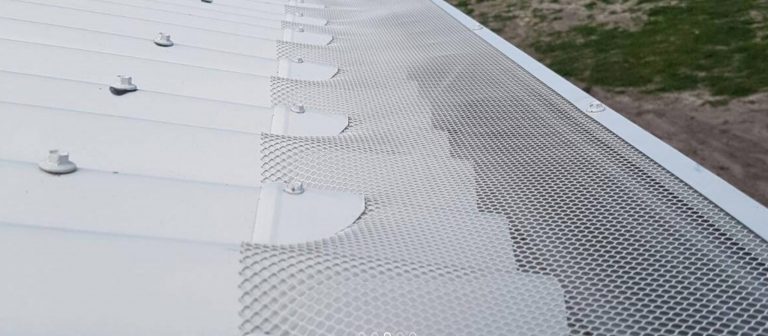
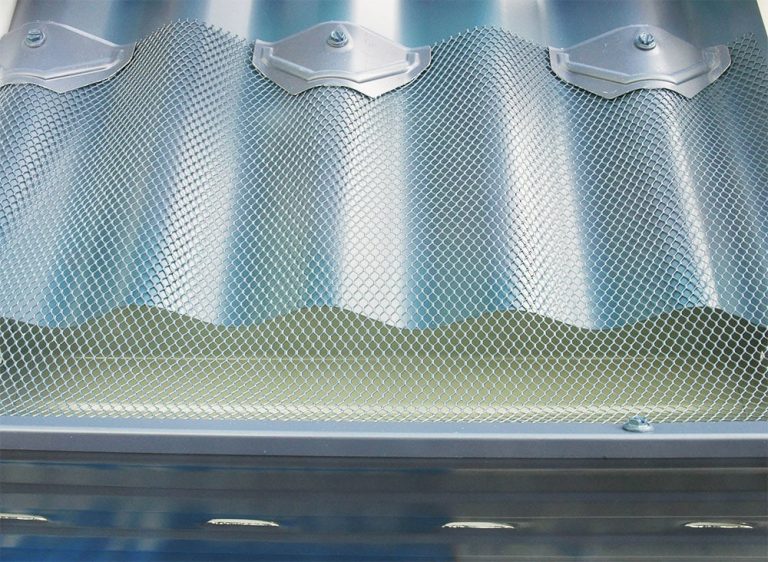
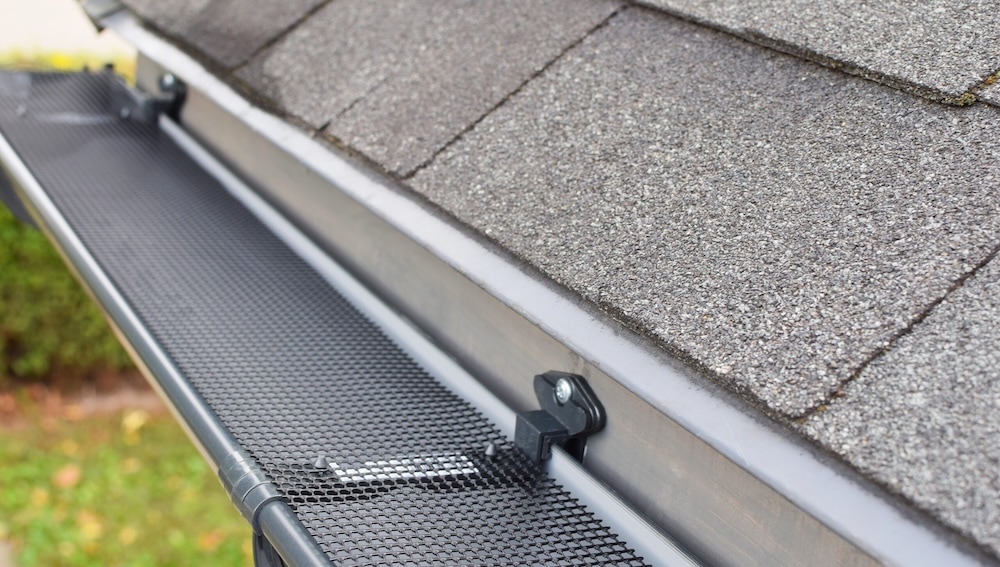
A gutter guard, whether mesh, micro-mesh, foam insert, or rigid plastic cover, has one primary function: to prevent the bulk of debris from entering the gutter channel by blocking or deflecting it at the surface. A well-specified product in an appropriate environment does achieve a meaningful reduction in the frequency with which the gutter channel requires cleaning. This is the legitimate benefit of a gutter guard and it is real.
What gutter guards cannot do is eliminate the need for maintenance entirely. They do not prevent fine organic particles from entering the channel through mesh apertures. They do not clean themselves when debris accumulates on their surface. They do not prevent biological growth from establishing in and on the guard material. They do not prevent sediment from accumulating in downpipes. And they do not prevent the complex combination of fine debris, salt residue, and biological material that Balgowlah Heights conditions produce from eventually reducing system drainage capacity.
Balgowlah Heights is surrounded by Manly Warringah War Memorial Park and is adjacent to the Middle Harbour foreshore. The suburb’s elevated position and proximity to open water mean it experiences consistent onshore winds from the north-east that carry both salt aerosols from the ocean and organic material from the bush reserve.
The vegetation in and around Balgowlah Heights includes a significant component of native Australian species: angophoras, banksias, scribbly gums, and various heath species that shed bark strips, fine leaf material, and hard seed capsules continuously throughout the year. This material is not predominantly the large, easy-to-deflect leaves that coarser gutter guard mesh products are designed for. It includes fine particles that pass through many mesh types and irregular debris shapes that can bridge across guard surfaces to form blockages.
The combination of salt air and fine organic debris creates conditions that accelerate biological growth on guard surfaces. Algae, lichen, and moss establish readily on mesh surfaces that are regularly damp and carry organic deposits. Once established, this biological growth reduces the water passage rate through the guard, creating a secondary blockage mechanism that is entirely independent of any debris accumulation.
The hidden problems that cheap gutter guard products create in suburban environments are covered in detail in the article on the hidden problems cheap gutter guards can create. For Balgowlah Heights specifically, even quality products face maintenance demands that the general guidance about gutter guards does not adequately anticipate.
Understanding the specific failure modes that develop in Balgowlah Heights gutter guard installations explains why maintenance cannot be eliminated regardless of product quality.
Debris that lands on a gutter guard surface does not always slide off. In the Balgowlah Heights environment, where fine bark particles, small seed capsules, and organic dust are the predominant debris types, material accumulates on mesh surfaces between rain events. During rain events, water carries some of this material into the guard or off the edge, but compacted debris on the guard surface can resist this movement.
When debris builds up on the guard surface to a sufficient density, it bridges across the mesh openings, preventing water from entering the gutter below. The gutter guard effectively becomes the blockage, with overflow occurring from the guard surface level rather than from inside the gutter channel. A homeowner who sees water cascading off the roofline during heavy rain despite having a gutter guard installed is likely experiencing this failure mode.
Surface bridging is not a product defect in most cases. It is a predictable outcome of a debris profile that includes small, irregular particles in the fine-to-medium size range. The solution is regular surface cleaning of the guard, not replacement of the product.
Most mesh gutter guard products allow water to pass through their mesh apertures. The same apertures that allow water through also allow the finest particles of the debris load to pass through. In the Balgowlah Heights environment, fine bark dust, salt deposits, and organic particulates that are smaller than the mesh aperture enter the gutter channel continuously.
Over time, this fine material accumulates in the gutter channel beneath the guard. Because the guard prevents direct access to the channel for inspection or cleaning, this accumulation can go unnoticed for months or years. When it becomes significant, the accumulated fine debris reduces the gutter’s drainage capacity and can create a compacted layer that traps moisture against the gutter base, accelerating corrosion in metal gutters.
Cleaning the gutter channel beneath an installed guard typically requires the guard to be lifted or removed, cleaned underneath, then refitted. This is a more involved process than cleaning an open gutter channel, but it remains necessary at intervals that depend on the fine debris load of the specific property.
The finest particles that pass through even micro-mesh guards wash into downpipes with every rain event. Inside the downpipe, this fine sediment settles in bends, junctions, and lower sections where flow velocity reduces below the level needed to keep particles suspended.
A downpipe with a gutter guard above it accumulates sediment in exactly the same way as an unguarded downpipe. The guard does not intercept material that has already entered the downpipe, and the physical reduction in visible debris entering the gutter can actually mask the fact that fine sediment is still accumulating inside the pipe.
Homeowners who have gutter guards installed and believe they do not need downpipe flushing because the guard is doing its job are at risk of developing a partially blocked downpipe that overflows the gutter during heavy rain, despite the guard surface appearing clean and functional above.
In Balgowlah Heights, where the combination of salt air, morning sea mist from Middle Harbour, and consistent temperatures supports biological growth, mesh guard surfaces can develop algae and lichen within one to two seasons of installation. Biological growth on the guard surface reduces the rate at which water passes through the mesh by physically occupying apertures and creating a hydrophobic surface layer.
Guards that have been in place for three or more years without surface cleaning commonly show significant biological establishment that meaningfully reduces their water passage rate. During moderate rainfall this may not be apparent. During the heavy rainfall events that Balgowlah Heights receives during summer storm activity, reduced water passage through the guard can cause overflow that the homeowner reasonably assumes should not be happening with a guard installed.
A realistic maintenance program for Balgowlah Heights properties with gutter guards installed reflects the specific conditions of the suburb rather than a generic national guideline.
For most Balgowlah Heights properties with gutter guards, the following maintenance schedule reflects the actual demands of the environment:
A professional gutter guard maintenance visit for a Balgowlah Heights property should include:
A gutter guard that was correctly specified and installed for the Balgowlah Heights environment will develop a manageable maintenance requirement over time. A guard that was poorly specified or installed creates a different problem set. Signs that the guard itself may be contributing to drainage problems include:
These are issues with the guard installation or product quality rather than simply the maintenance routine, and they require assessment of the guard system itself rather than just additional cleaning.
Making effective use of professional gutter guard maintenance in Balgowlah Heights depends on choosing a service that understands the specific demands of the suburb and the limitations of gutter guard products in coastal, vegetation-rich environments.
A service provider working on gutter guard maintenance in Balgowlah Heights should:
Balgowlah Heights has a significant proportion of homes with rooftop solar panels, and the interaction between gutter guards and solar installations is worth understanding. Birds that are excluded from the gutter channel by a guard will investigate alternative roosting and nesting options, which often means the space beneath solar panels. Increased bird pressure on the solar panel perimeter is sometimes observed on properties where gutter guard installation has successfully reduced gutter access, and this may require bird exclusion mesh around the solar panel array in addition to the guard on the gutters.
For Balgowlah Heights homeowners looking for information on both gutter guard products and local maintenance services, the Balgowlah Heights page provides details on what professional services cover in this area.
For homeowners assessing whether their current guard product is appropriate for the Balgowlah Heights environment or whether a different product might serve them better, the gutter guard page provides information on the product categories available and how to assess which specification matches a specific debris profile.
Gutter guards in Balgowlah Heights are a useful tool for managing the high debris load that the suburb’s environment generates. But they are a tool that requires ongoing management, not a permanent solution that eliminates maintenance obligations. Homeowners who understand this from the outset and plan their maintenance program accordingly get genuine value from their guard investment. Those who assume the guard means the gutters can be forgotten discover the hard way that the environmental conditions of Balgowlah Heights are demanding enough to challenge even well-specified products that are not actively maintained.