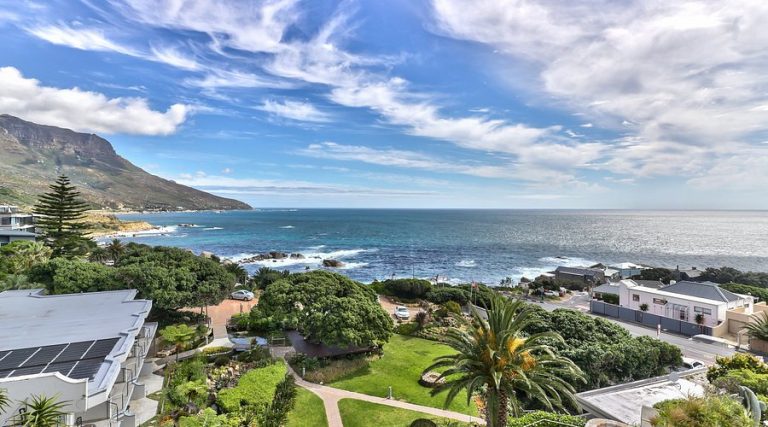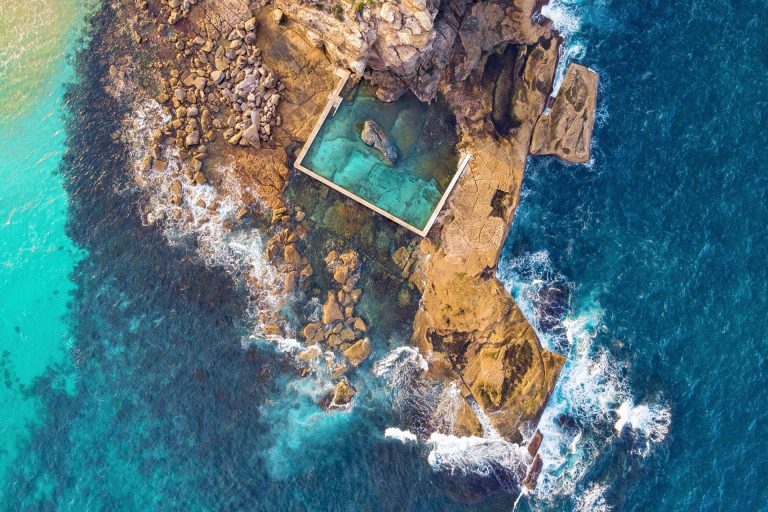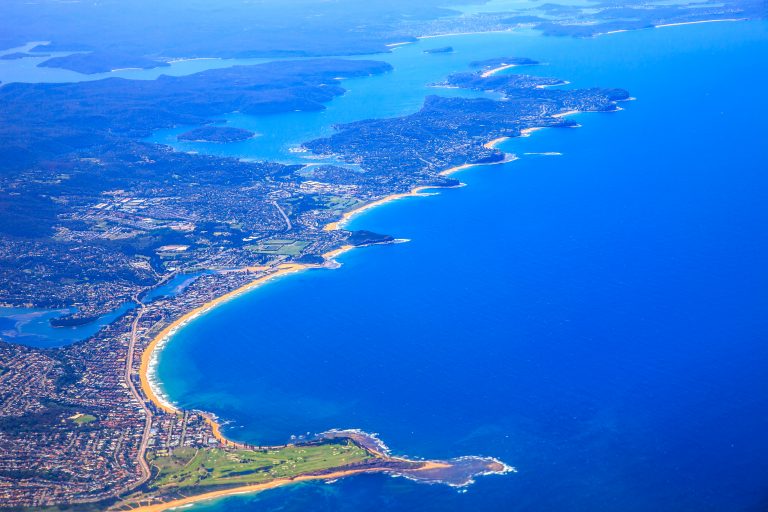
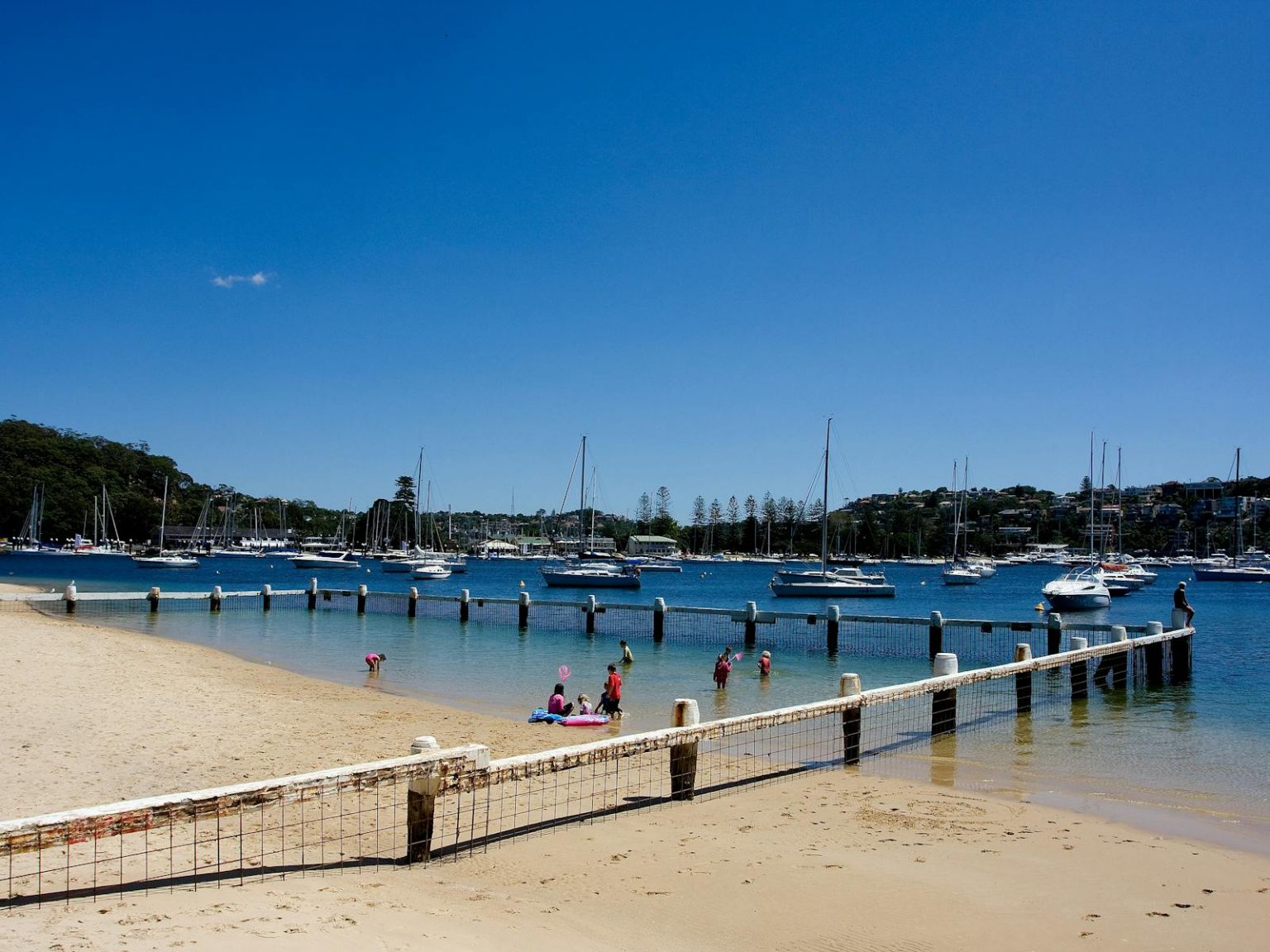
Clontarf is one of the most coveted addresses on Sydney’s northern beaches. Nestled on the western shore of Middle Harbour, with views across the water to Seaforth and direct access to the harbour foreshore reserve, it offers a quality of residential life that attracts buyers willing to pay a premium for the location. That premium is well understood. What is less well understood is the set of ongoing costs that waterfront and near-waterfront living in Clontarf creates, costs that are not included in the purchase price and that many new residents discover gradually, often at inconvenient and expensive moments.
This article looks at the hidden costs of owning a home in Clontarf that relate specifically to the waterfront environment and that go beyond the standard expenses of property ownership in any suburb.
The financial reality of living in a coastal or harbourfront environment is more complex than the real estate transaction reveals. The premium paid for the location reflects the amenity of the view and the lifestyle. It does not automatically include the higher cost of maintaining a building in a marine environment, and many buyers who move from inland or less exposed suburbs discover this mismatch after purchase.
The defining characteristic of Clontarf from a building maintenance perspective is the consistent exposure to salt air from Middle Harbour. Even properties that are not directly on the waterfront but are within five hundred metres of the harbour experience meaningfully elevated levels of airborne salt compared to suburbs even a few kilometres inland.
Salt air accelerates the corrosion of virtually every metal component used in residential construction: gutters, downpipes, roof fasteners, flashings, window hardware, balcony balustrades, gate fittings, and outdoor furniture frames. It also breaks down surface coatings including paint, sealant, and protective treatments faster than in non-coastal environments.
The consequence is that properties in Clontarf require more frequent repainting, more frequent replacement of metal hardware, and more vigilant monitoring of corrosion-prone elements than equivalent homes in inland suburbs. These costs are real and recurring, and they compound when they are not anticipated and planned for.
Gutters in Clontarf face a combination of stressors that is more demanding than in most other residential environments. Salt air deposits chloride ions on metal gutter surfaces continuously, accelerating the corrosion process at joints, brackets, and the base of the channel where water sits between events. The proximity of established vegetation from the harbour foreshore reserve and surrounding gardens adds a significant organic debris load that combines with the salt deposits to create a particularly aggressive corrosive environment at the gutter base.
The result is that gutters in Clontarf require cleaning more frequently than those in inland suburbs to prevent the debris-salt combination from accelerating base corrosion, and they require more frequent inspection for structural integrity because corrosion progression is faster. A gutter that might serve fifteen years in a drier, less exposed suburb may show significant corrosion in eight to ten years in the Clontarf environment without active management.
Understanding this difference helps homeowners budget appropriately and avoid the costly surprise of a gutter system that has deteriorated more rapidly than expected.
Beyond the gutter and immediate building maintenance dimension, harbourfront living in Clontarf creates several categories of hidden expense that prospective buyers are rarely fully briefed on.
Paint failure on external walls is one of the most visible and most frequently surprising maintenance costs for homeowners new to a harbourfront environment. Salt air is aggressive toward exterior paint systems, particularly on surfaces that face the harbour and receive the highest concentration of onshore wind-carried salt.
A paint system that is warranted for eight to ten years in standard residential conditions may show failure in four to six years on a Clontarf harbourfront property. Chalking, delamination, blistering, and colour fade all appear faster. The cost of repainting a full residential exterior is substantial, and when it needs to happen more frequently than a homeowner planned for, it creates budget pressure that was not anticipated at purchase.
The appropriate response is to specify exterior paint systems designed for marine environments when painting a Clontarf home, to apply anti-corrosion treatment to metal surfaces before painting, and to accept that the repainting cycle will be shorter than in other locations. Budgeting for this explicitly rather than discovering it through premature failure is the financially sensible approach.
Aluminium window frames, stainless steel fasteners, and anodised door hardware that performs reliably for fifteen or more years in an inland suburb may show corrosion, staining, or functional degradation within five to seven years in Clontarf’s marine environment. Locks, hinges, sliders, latches, and track systems all contain metal components that are affected by consistent salt air exposure.
Replacing individual hardware items as they fail is an option but it is typically more expensive and more disruptive than addressing the entire window and door hardware set on a managed replacement schedule. Homeowners who have been in Clontarf for ten or more years often report that hardware replacement has been one of the most consistent and least expected ongoing expenses of owning the property.
Clontarf homes frequently feature timber decking, pergolas, and outdoor entertainment areas that take full advantage of the harbour views and outdoor lifestyle the location supports. These structures are particularly vulnerable to the marine environment for two reasons: the timber itself absorbs more moisture in the higher-humidity coastal air, and the fixings, brackets, and structural hardware used in timber construction corrode faster in salt air conditions.
Even treated timber decking in a Clontarf property requires more frequent surface treatment, more frequent inspection of structural fixings, and more frequent remediation of any moisture-affected sections than equivalent structures in non-coastal environments. The cost of maintaining a harbourfront deck over a twenty-year property ownership period is significantly higher than a comparable structure in an inland suburb, and this cost is rarely disclosed or discussed in the purchase process.
A significant proportion of Clontarf properties have installed rooftop solar systems. The harbour location is excellent for solar generation in terms of irradiance, but as covered in the article on why small roof leaks keep developing, marine environments create specific stresses on roof systems and their associated components that affect both performance and longevity.
For solar panels specifically, salt deposits on panel glass reduce light transmission and require more frequent professional cleaning than panels in inland locations. The marine aerosol component of Clontarf salt air is hygroscopic and adhesive, meaning it bonds more firmly to glass than dry dust and resists removal by rainfall alone. Mounting hardware on panels also corrodes faster in marine conditions, making annual inspection of fasteners and rail connections a necessary part of managing a Clontarf solar installation effectively.
A full cost inventory of harbourfront living in Clontarf includes both the obvious ongoing expenses and the less visible but equally real costs that compound over a property ownership horizon of ten to twenty years.
Clontarf properties with direct or near-direct harbour access must manage their stormwater drainage in compliance with council requirements that recognise the sensitivity of the harbour environment. Stormwater that carries pollutants, sediment, or high organic loads directly to the harbour or its tributaries is a council compliance issue, and properties that allow roof drainage to degrade into overflow events that wash debris and contaminants toward the water body face potential compliance obligations beyond the building damage costs.
This adds a dimension to gutter maintenance in Clontarf that is not relevant in non-waterfront suburbs: keeping the drainage system functioning correctly is not just about protecting the building. It is also about responsible stewardship of the harbour environment that makes the location valuable in the first place.
Parts of Clontarf fall within heritage conservation areas or are subject to specific development controls that affect what maintenance work can be carried out, what materials can be used, and what modifications require council approval. Homeowners who carry out maintenance work without checking relevant planning overlays can find themselves required to reverse work that was completed without approval, at their own cost.
This is not unique to Clontarf, but it is a relevant consideration for any harbourfront property in an area where the streetscape and building character are subject to planning protection. Understanding the controls that apply to a specific property before carrying out any significant external maintenance or replacement work avoids expensive compliance issues.
Roofs in Clontarf require more frequent attention than equivalent roofs in less exposed locations. Flashings around roof penetrations, valley liners, and the connections between roof materials and adjacent structures are all subject to faster sealant degradation and metal corrosion in marine conditions. A flashing that was sealed correctly at installation but whose sealant has dried and cracked from the combined effect of UV, salt, and thermal cycling is a common source of the intermittent small leaks that harbour-front homeowners in Sydney suburbs tend to encounter.
The pattern of small, recurring roof leaks that appear to come and go without an obvious source is a characteristic of flashing failures in marine environments where sealant degradation happens faster than in inland conditions. Proactive inspection and resealing of all roof flashings every three to four years, rather than the five to seven year cycle that might be appropriate inland, is the maintenance response appropriate for Clontarf’s environment.
A complete picture of hidden costs for Clontarf homeowners includes several categories that are so specific to the waterfront location that they would not occur to anyone who has not lived there.
Properties in Clontarf with private jetty access, pontoon structures, or mooring arrangements have maintenance obligations associated with those structures that go beyond the normal residential property maintenance scope. Council and maritime authority requirements govern the condition of private waterfront structures, and the corrosive marine environment means these structures have demanding maintenance requirements of their own.
Jetty timbers, pile encapsulation, anodised hardware, and any electrical systems serving waterfront structures all require periodic professional inspection and maintenance. These costs are specific to waterfront properties and have no equivalent for inland homes.
For Clontarf homeowners looking to manage the hidden costs of their environment proactively, the following schedule reflects the specific demands of the harbourfront location:
For Clontarf homeowners looking for professional gutter cleaning and drainage maintenance services calibrated to the specific demands of the harbourfront environment, the Clontarf page provides details on what professional services cover locally.
For properties where the gutter cleaning requirement has become more frequent due to debris and salt air conditions, information on what a professional gutter cleaning service in a coastal environment should include is available and helps homeowners evaluate whether the maintenance they are receiving is appropriate for their location.
Harbourfront living in Clontarf delivers genuine and exceptional lifestyle benefits. The harbour views, the foreshore access, the character of the suburb, these things have real and lasting value. But they come with a set of ongoing maintenance costs that are driven by the marine environment itself, and that are higher than the equivalent costs for inland properties in comparable structural condition. Homeowners who understand these costs from the outset, budget for them explicitly, and manage them proactively are the ones who protect their investment and avoid the expensive discoveries that reactive maintenance in a coastal environment tends to produce.