Heavy winter rain can leave more behind than puddles and muddy gardens. Even when the weather clears, moisture can continue causing problems that remain hidden for days or even weeks. Small issues like blocked gutters, loose roof tiles or damp wall cavities can quickly develop into expensive repairs if they go unnoticed.
Australian winters often bring prolonged rainfall rather than short storms. This allows water to soak into roofs, foundations, gardens and outdoor structures. Homeowners who perform a simple inspection after heavy rain are more likely to spot problems before they become serious.
This guide explains the most important areas to check around your property after heavy winter rain, why they matter and what signs should never be ignored.
Water always follows the path of least resistance. Once enough rain falls, even homes in good condition can experience unexpected drainage problems.
Some hazards are obvious, while others remain hidden until damage has already occurred.
The most common areas to inspect include:
Checking these locations soon after rain gives you the best chance of identifying fresh damage before conditions dry out.
Winter rainfall behaves differently from summer thunderstorms.
Instead of intense downpours lasting minutes, winter systems often produce consistent rainfall over many hours or even several days. This prolonged exposure allows moisture to slowly penetrate building materials.
The longer water remains against a structure, the greater the likelihood of:
Even homes without visible leaks can experience hidden moisture after extended periods of rain.
A thorough inspection doesn’t need specialist equipment. Walking slowly around your property while knowing what to look for can reveal many common issues.
Your roof takes the full force of every rain event.
Look for:
If you can safely view the roof from the ground using binoculars, this is usually sufficient.
Avoid climbing onto wet roofs.
Gutters often collect:
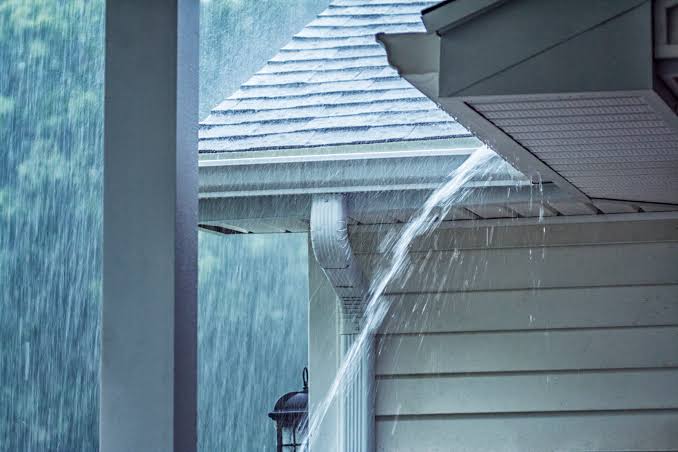
Once blocked, water can overflow back beneath roofing materials or spill directly against walls.
Overflowing gutters may also contribute to erosion around foundations.
If gutters consistently overflow during rain, they may require cleaning or further inspection.
Learn more about maintaining gutters here:
https://guttergorilla.com.au/gutter-cleaning/
Downpipes should carry water well away from the house.
Inspect for:
A blocked downpipe can cause an entire gutter system to back up during heavy rainfall.
Inside the home, inspect ceilings for:
Even small stains deserve attention because roof leaks often travel considerable distances before becoming visible.
If your home has safe access to the roof space, check for:
Only enter roof spaces when conditions are safe.
Not every property floods dramatically.
Many homes experience minor flooding that slowly damages building materials over time.
Pay particular attention to areas where water naturally collects.
Standing water beside foundations should never remain for extended periods.
Watch for:
Repeated saturation can contribute to movement in reactive soils.
Large puddles often indicate poor drainage.
Over time they may:
Look for water flowing back toward the house instead of away from it.
Heavy rain increases pressure behind retaining walls.
Check for:
Early movement may be subtle but should not be ignored.
Algae grows quickly after extended damp weather.
Inspect for:
These become significant slip hazards during winter.
Moisture trapped inside a home often causes more long-term damage than visible rainwater.
Many structural issues begin with small amounts of hidden moisture.
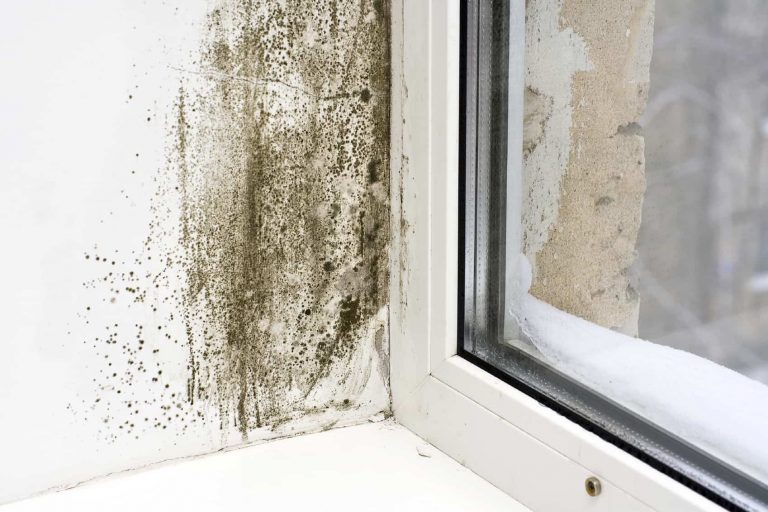
Mould thrives in:
Signs include:
Addressing moisture early helps reduce mould growth.
Timber exposed to prolonged moisture may begin to:
Pay attention to:
Rainwater may expose issues including:
White powder on bricks often indicates moisture moving through masonry.
Look carefully for:
These may suggest water entering wall cavities.
Even thorough homeowners sometimes overlook important locations.
These locations often remain damp long after rain has stopped.
Winter rain softens soil considerably.
Large trees may become unstable without showing obvious signs.
Inspect for:
Falling branches become more likely when saturated trees experience strong winds after heavy rain.
Gardens help absorb rainfall, but only if drainage works effectively.
Watch for:
Improving drainage can help reduce future water problems around the home.
Pergolas, carports and verandahs receive the same rainfall as the house.
Inspect for:
Small maintenance tasks can prevent larger repairs later.
Some problems require prompt investigation.
Seek further advice if you notice:
These signs may indicate more serious underlying issues.
Checking your property becomes much easier when you follow the same process every time.
A practical routine includes:
This usually takes less than thirty minutes and may help identify developing issues before they become expensive repairs.
Preparing before winter often reduces the impact of prolonged rain.
Useful maintenance includes:
Small preventative tasks often reduce the likelihood of water damage during prolonged wet periods.
For more home maintenance advice, visit the GutterGorilla blog:
https://guttergorilla.com.au/blog/
Heavy winter rain can expose weaknesses that remain hidden throughout the rest of the year. While not every storm causes damage, prolonged wet weather increases the chances of moisture entering areas where it shouldn’t.
Regular inspections after rainfall help identify developing issues before they become major repairs. Paying attention to roofs, gutters, drainage, foundations and damp areas inside the home can make ongoing maintenance easier and help protect the property’s condition over time.
A simple walk around your home after each significant winter rain event is often one of the most effective ways to stay aware of potential problems.