
Winter is when deferred maintenance makes itself known. The sustained rain that frontal systems bring across much of south-eastern Australia does not just create inconvenience: it tests every building system, drainage component, and surface treatment that has been operating in the background without attention. The gutters that were borderline clear heading into winter overflow. The flashing sealant that was slightly cracked in autumn admits water under the sustained pressure of a multi-day rain event. The sub-floor space that showed slightly elevated moisture readings six months ago accumulates standing water across several wet weeks.
None of these outcomes is surprising in retrospect. What is surprising, consistently, is that homeowners who could have prevented them at modest cost during the pre-winter window instead face the significantly higher cost of emergency repair, damage remediation, and in some cases, insurance complications during the season when they are least convenient.
This article makes the case for preventative winter maintenance as a structured, specific approach rather than a vague good intention, and provides a practical framework for what that looks like across the building systems most at risk during Australian winters.
The fundamental argument for preventative maintenance in winter is the same as in any season: problems addressed early are cheaper, simpler, and less disruptive than problems addressed after they have caused secondary damage. But winter amplifies this argument in specific ways that other seasons do not.
Winter weather applies sustained, rather than brief, stress to building systems. A summer storm may test gutters for twenty minutes. A winter frontal system may test them continuously for eight hours across multiple days. This sustained testing does something that brief intense events do not: it finds deficiencies that can temporarily contain brief high-intensity rainfall but cannot maintain performance over longer durations.
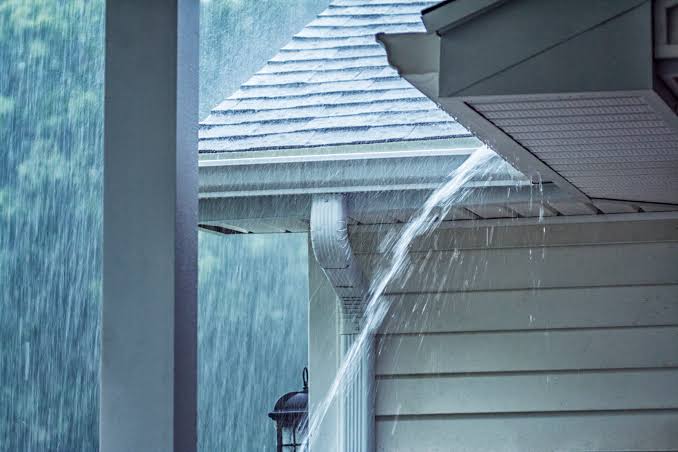
A gutter with a partial downpipe blockage may handle a summer storm without visible overflow. The same gutter during a prolonged winter rain event fills above the blockage restriction rate and overflows for the full duration of the event, delivering substantially more water against the fascia and wall than the summer storm would have.
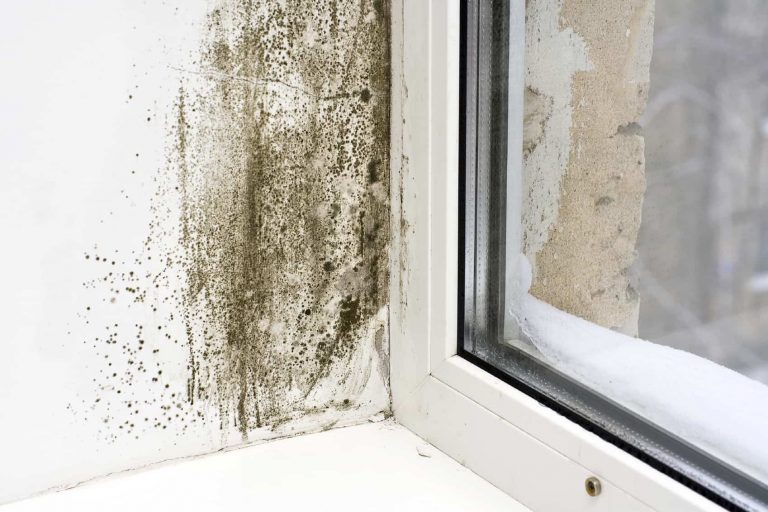
The secondary damage this sustained overflow creates, fascia deterioration, wall moisture ingress, mould development, is also harder to address in winter. Cold temperatures slow drying times for materials that have been wetted. Reduced ventilation from closed-up winter living slows the evaporation of any moisture that does enter. What might dry out in days in summer can remain damp for weeks in winter, extending the window during which mould can establish and during which structural materials remain at risk from continued moisture exposure.
A gutter clean and downpipe flush carried out in late April or May, before the winter rain season, costs a predictable and modest amount. The same property, if gutter maintenance is deferred, may face in the following winter season:
The combined cost of these reactive outcomes is many times the preventative maintenance cost that would have prevented them. This ratio is well established across building maintenance literature and is one of the clearest financial cases available in residential property management.
Effective winter preventative maintenance works by closing the specific vulnerability pathways that winter weather exploits. Understanding which pathways those are makes the maintenance program more targeted and more efficient.
More winter home damage in Australia traces back to roof drainage failure than to any other single building system. Gutters and downpipes that cannot manage sustained winter rainfall deliver water to building materials that were not designed for continuous moisture exposure, and the range of secondary damage that results, from fascia rot to foundation saturation, represents the most expensive category of winter damage in residential buildings.
The article on the surprising link between winter rain and mould growth covers one of the most significant secondary consequences of drainage failure: the specific conditions that winter rain and the moisture ingress it enables create for mould development, and why winter is actually a higher-risk mould season than many homeowners expect.
Keeping drainage systems clear and functional before winter enters is therefore not a cosmetic exercise. It is the single highest-impact preventative maintenance action available, and it should be the first item addressed in any winter preparation program.
Flashings at roof penetrations, valley junctions, and parapet connections are the most common points at which sustained winter rain finds entry into the building. Sealant that is slightly cracked but still functional during summer’s brief intense rainfall can fail completely under the sustained hydrostatic pressure of eight to twelve hours of moderate but continuous rain.
Pre-winter inspection of visible flashing sealants, ridge capping mortar, and any areas where different roofing materials meet or where the roof plane transitions provides the opportunity to address deterioration before it becomes a leak pathway. The cost of resealing a flashing junction is a fraction of the cost of investigating and repairing the internal damage that a leaking flashing produces over one or more winter rain seasons.
External render, masonry, and timber surfaces that are cracked, have failed sealant around penetrations, or have paint that has deteriorated to the point of allowing moisture uptake all represent winter moisture pathways that sustained rain exploits. A brief summer shower does not typically force moisture through a slightly cracked render surface. Twelve hours of continuous rain with wind pressure can.
Autumn is the appropriate time to check external surfaces for cracks, sealant failures around window and door frames, and paint that has reached or passed the point of protecting the surface beneath it. Addressing these issues before winter is straightforward, inexpensive, and effective. Addressing them during or after winter while dealing with the consequences of moisture ingress is significantly more complex.
A practical pre-winter maintenance checklist organises the necessary actions by priority and by the building system they address. The following framework reflects the specific demands of Australian winters rather than a generic approach.
April to May is the critical window. This period follows the main summer and autumn debris accumulation season and precedes the onset of sustained winter rainfall across most of south-eastern Australia. Maintenance carried out in this window addresses the residual issues from the seasons just passed and prepares the building for the season ahead.
The sequence of priority actions:
Understanding what pre-winter maintenance costs in Australian conditions helps homeowners budget appropriately and make informed decisions about which tasks to prioritise.
Professional gutter cleaning and downpipe flushing for a standard single-storey property is a modest and well-defined cost that varies by roof size and access complexity. It is consistently several times less expensive than any single outcome it prevents.
Roof flashing resealing is a skilled trade task that costs more per hour than gutter cleaning but is typically a short-scope job when deficiencies are identified and addressed before they become leaks. Compared to the cost of investigating and repairing internal water damage from a flashing failure over one or two winters, the resealing cost is modest.
External caulking and paint touch-up around window and door frames is often homeowner-accessible work for those comfortable with the materials involved, or a straightforward tradesperson job that is inexpensive when the scope is limited to specific failure points rather than full-exterior treatment.
The article on the dangerous areas around your home to check after heavy winter rain provides a useful companion framework for post-event checking that helps homeowners assess whether their pre-winter preparation was adequate and identify any areas that require attention during the season.
A maintenance plan that genuinely protects a home through winter has several characteristics that distinguish it from a reactive approach or a vague commitment to maintenance that does not translate into specific actions.
It is calendar-driven, not symptom-driven. Effective maintenance happens on a schedule before problems become visible, not in response to problems that have already caused damage. The calendar anchor for Australian winter maintenance is April to May, and this should be treated as a firm commitment rather than a moveable intention.
It covers the full building system, not just the most visible elements. The most expensive winter damage often originates in the least visible areas: inside downpipes, at flashing junctions that cannot be seen from the ground, in sub-floor spaces, and in roof cavities. An effective plan includes provision for inspection of these less accessible areas, not just the exterior surfaces that are easy to observe.
It is documented. A maintenance record that includes dates, scope of work, and any findings from each inspection provides three practical benefits: it enables year-on-year comparison that identifies developing patterns, it supports insurance claims that require evidence of reasonable maintenance, and it provides verifiable history at the point of property sale.
It responds to what the inspection finds. A plan that includes inspection but defers repairs until the following year defeats its own purpose. Findings from the pre-winter inspection should trigger action in the same window, before the season that tests the identified deficiencies begins.
Different properties have different winter vulnerability profiles, and an effective maintenance plan reflects the specific characteristics of the individual property rather than applying a generic checklist uniformly.
Key factors that influence the specific maintenance priorities for any property include:
For homeowners booking the pre-winter maintenance service that provides the most protection through the season, professional gutter cleaning that includes downpipe flushing and a basic condition assessment of the drainage system is the most impact-efficient single maintenance action available.
For more articles on home maintenance, seasonal protection, and the specific risks that Australian winters create for residential buildings across different climate zones, the Gutter Gorilla blog provides practical ongoing guidance.
Preventative maintenance protects homes through winter by closing the specific vulnerability pathways that sustained cold rain, reduced ventilation, and slower drying times create. The actions required are not complex. They are specific, timely, and substantially cheaper than the outcomes they prevent. The difference between a home that comes through winter intact and one that emerges with water damage, mould, and deferred repair costs is rarely about the severity of the weather. It is almost always about what was done in April and May before the first significant frontal system arrived.