Standing water is a problem in any season, but cold, wet weather amplifies its effects in ways that are not always obvious. The combination of lower temperatures, reduced evaporation, slower soil drainage, and the specific biological and structural conditions that prolonged damp creates makes standing water during winter a more dangerous phenomenon than the same puddles would be in summer.
For Australian homeowners in temperate and subtropical regions where winter brings sustained rainfall events, understanding the specific risks associated with standing water in and around the property during cold, wet months is a practical foundation for effective seasonal management.
The risks associated with standing water during cold weather fall into several distinct categories. Some are structural, affecting the building and its foundation. Some are biological, creating conditions for mould, bacteria, and pest activity. Some are relevant to public health and the broader environment. Understanding each category separately helps homeowners and communities prioritise their responses.
The intuitive assumption might be that cold weather makes standing water less problematic. Cold temperatures slow biological activity, including the mosquito breeding that standing water is most commonly associated with in Australian public health messaging. In this respect, cold water is less immediately threatening than warm water as a breeding site for disease vectors.
But cold weather introduces its own set of amplifying factors that make standing water more dangerous across several other dimensions:
Reduced evaporation. Evaporation rate is directly related to temperature and air humidity. In winter conditions, standing water evaporates far more slowly than in summer. Water that would dry out within a day or two in summer may persist for a week or more in the same location during winter. This extended persistence multiplies the duration of all the risks associated with the standing water itself.
Slower soil drainage. Cold soils, particularly clay soils common across much of south-eastern Australia, drain more slowly when cold because the biological and physical processes that move water through soil pores operate more slowly at lower temperatures. Water that soaks into the ground near a building perimeter in winter remains in the soil at elevated moisture levels for longer than in warmer conditions.
Reduced wood drying. Timber building elements that contact or are adjacent to standing water during winter stay wet for extended periods in cold conditions. The wet-dry cycling that would occur rapidly in summer conditions is slowed dramatically, extending the period during which timber is at elevated risk from moisture-related decay.
Sustained structural loading. Gutters that retain standing water between rain events carry the weight of that water continuously. Soil adjacent to foundations that maintains elevated moisture levels exerts sustained hydrostatic pressure. These sustained loads differ from the brief peak loads of summer storms and produce different patterns of structural stress on building elements.
While most of Australia’s temperate zone does not experience true freezing temperatures at ground level, some regions do. The Blue Mountains, parts of the New South Wales Southern Highlands, elevated areas of Victoria, and overnight conditions in southern South Australia and Western Australia all produce temperatures at or below zero degrees in winter.
In these regions, standing water creates risks that are entirely absent in warmer months.
Water expands by approximately nine percent when it freezes. Water that has infiltrated small gaps in masonry, mortar joints, tile laps, or gutter junctions and then freezes exerts substantial expansion pressure on the surrounding material. Over the freeze-thaw cycles of a cold winter, this expansion and contraction progressively widens existing cracks and creates new ones in materials that were intact before the cold season began.
Roof tiles that have absorbed water through micro-cracks or deteriorated surface coatings are particularly vulnerable to freeze-thaw damage. The water absorbed into the tile body expands when it freezes, causing the crack or failing surface coating to enlarge. Over several winters, this mechanism can cause physical spalling of tile surfaces and progression of micro-cracks to functional failure.
Mortar at ridge capping and hip ends that has already developed hairline cracking from thermal movement absorbs water during rain events. If that water freezes within the mortar before it can drain, the expansion can cause sections of mortar to fail that would have remained serviceable through a warmer winter.
In regions where heavy winter rain falls on already-saturated ground, the interaction between standing water and continuous rainfall creates hazards that go beyond the immediate flood risk.
Saturated ground loses its bearing capacity progressively as pore pressure in the soil increases. Embankments, retaining walls, and sloped ground that are stable in normal conditions can become unstable when ground saturation is sustained over days of heavy rainfall. The relationship between prolonged standing water adjacent to built structures and the risk of soil movement is well-established in geotechnical engineering, and it is relevant to residential properties on sloped sites throughout Australia’s wetter regions.
The article on the dangerous areas around your home to check after heavy winter rain covers the specific building-level inspection points relevant to properties that have experienced sustained wet conditions. Retaining wall stability, sub-floor moisture, and ground drainage failure are all addressed in the context of what homeowners should look for after heavy winter rain.
Cold temperatures do not eliminate all biological risks from standing water. While mosquito activity is reduced in genuine cold conditions, other biological and chemical hazards associated with stagnant water persist or are amplified in winter.
Stagnant water that has been pooling for extended periods accumulates bacterial contamination from multiple sources: bird and animal droppings, organic material decomposing in the water, soil contamination, and in urban environments, contamination from stormwater runoff that carries pollutants from roads and driveways.
This bacterial contamination is relevant in several specific contexts for residential properties:
For properties with rainwater tanks connected to roof catchment, standing water in gutters and in stagnant sections of the drainage system contributes to the bacterial load in the tank through the water that eventually drains through the system into the tank. Slow-flowing and stagnant water in gutters has more opportunity to accumulate biological contamination than free-flowing water, and the bacterial load this introduces to rainwater systems is higher than the load from water that moves quickly through a clean, free-draining system.
For households with young children who play in garden areas, and for properties with vegetable gardens that may receive contaminated runoff from adjacent standing water, the bacterial content of pooled winter water represents a hygiene risk that parents and gardeners should be aware of.
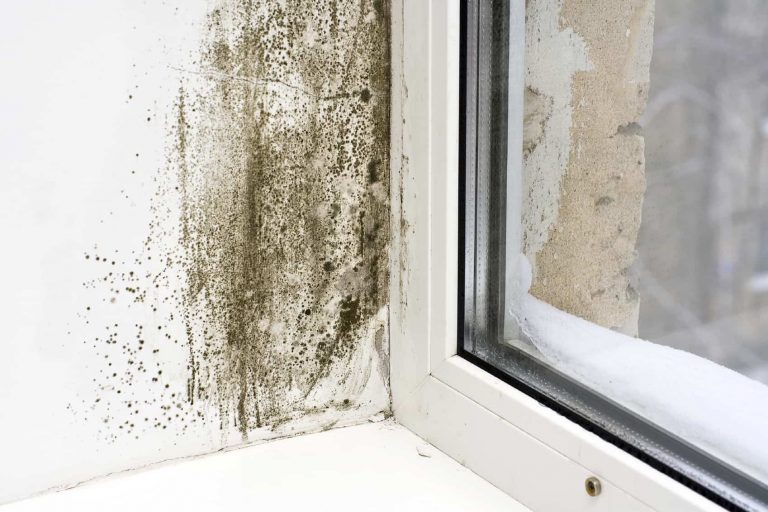
Mould spores are present in virtually all organic material and in the atmosphere generally. Standing water that is in contact with organic debris, leaf litter, compost material, or soil provides the moisture and nutrient conditions for mould to grow and release spores. These spores become airborne when the water surface is disturbed, either by additional rainfall, by wind, or by physical activity around the standing water area.
In cold winter conditions where windows and ventilation are reduced, mould spore concentrations near entry points to the home are more likely to find their way inside and establish on materials that are already experiencing elevated moisture levels from building envelope issues. The link between outdoor mould spore load, drainage conditions, and indoor mould development is covered in more detail in the article on the surprising link between winter rain and mould growth.
This is perhaps the most immediately obvious risk of standing water in winter, but it bears specific mention because the risk profile is higher in cold conditions than in summer. Algae and moss growth on hard surfaces is accelerated by sustained moisture and moderate temperatures, which are precisely the conditions that winter standing water creates. Pathways, driveways, decking, and steps that are regularly wet develop biological growth that dramatically reduces surface friction.
This risk is exacerbated by the reduced sunlight of shorter winter days, which both slows evaporation of the standing water and reduces the UV exposure that inhibits some biological growth on outdoor surfaces.
Beyond the direct risks to people and buildings, standing water in cold weather creates environmental hazards that are relevant to the broader residential and community context.
While cold temperatures suppress mosquito activity, standing water that persists into warmer periods of a winter day, particularly in sheltered locations like gutters, water features, and containers that receive some solar warming, can support limited mosquito breeding activity in temperate Australian conditions. The species most relevant to public health in temperate New South Wales and Victoria are more tolerant of cool conditions than tropical species.
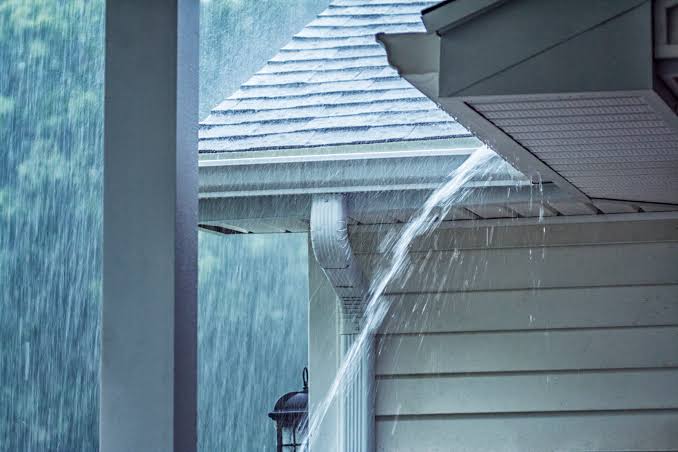
Gutters that retain standing water because they are blocked or poorly pitched provide the still, protected water environment that mosquitoes require for the aquatic stages of their lifecycle. Even in winter, a gutter that consistently retains water between events provides a habitat that warmer spring temperatures will rapidly activate into a full breeding site if the water is still present when temperatures rise.
Standing water that eventually drains from residential properties enters stormwater systems or infiltrates into soil. Water that has been pooling adjacent to vehicles, chemical storage areas, or treated timber structures can carry contaminated runoff into stormwater that eventually discharges to waterways.
In cold weather, the reduced evaporation that maintains standing water also allows more complete dissolution of any chemical contaminants present at the pooling site. Water that has been pooling under a treated timber deck through a cold, wet winter may carry higher concentrations of timber treatment leachate than the same water would contain in warmer, drier conditions where evaporation reduces volume and sunlight degrades some compounds.
Understanding the risks associated with standing water in cold wet weather leads to a practical set of actions that reduce those risks through the vulnerable season.
For more articles on winter home maintenance, drainage systems, and the specific risks that cold, wet weather creates for residential properties across Australia, the Gutter Gorilla blog provides ongoing practical guidance for homeowners in different climates and building types.
Standing water in cold, wet weather is dangerous in ways that are different from and often more subtle than the risks associated with summer standing water. The combination of slow evaporation, sustained moisture loading on building materials, reduced biological degradation of contaminants, and the specific freeze-thaw and structural risks of true cold conditions creates a hazard profile that deserves more attention than the standard summer-focused conversation about standing water typically provides. Managing drainage systems effectively before and through winter is the most direct way to reduce these risks and protect both the property and the people who live in it.