Something has shifted in how Sydney homeowners approach roof maintenance. For much of the past few decades, the dominant pattern was reactive: ignore the roof until something visibly went wrong, then address the specific problem. Scheduled, proactive roof inspections were largely the domain of commercial property managers and the more maintenance-conscious end of the residential market.
That pattern is changing. Increasingly, Sydney homeowners are scheduling annual roof health checks as a routine part of their property maintenance calendar, not in response to a specific problem but as a deliberate preventative investment. Understanding what is driving this shift, what an annual roof health check actually involves, and what the financial and practical returns on that investment look like helps homeowners decide whether it makes sense for their own property.
Several converging factors have made the case for regular roof inspection significantly stronger for Sydney homeowners than it was a decade ago.
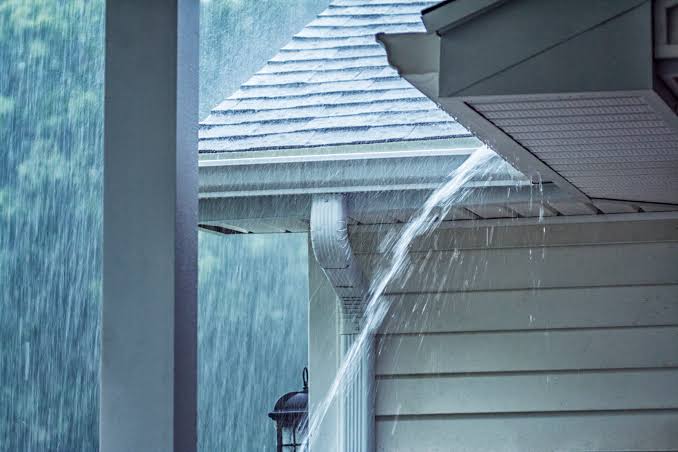
The storm events that test Sydney’s residential roofs have been trending toward greater intensity over recent years. The Bureau of Meteorology’s records for the Sydney basin show an increased frequency of rainfall events that exceed specific intensity thresholds, and the damage events that these storms produce have become more severe in aggregate, as measured by insurance claim volumes following significant weather events.
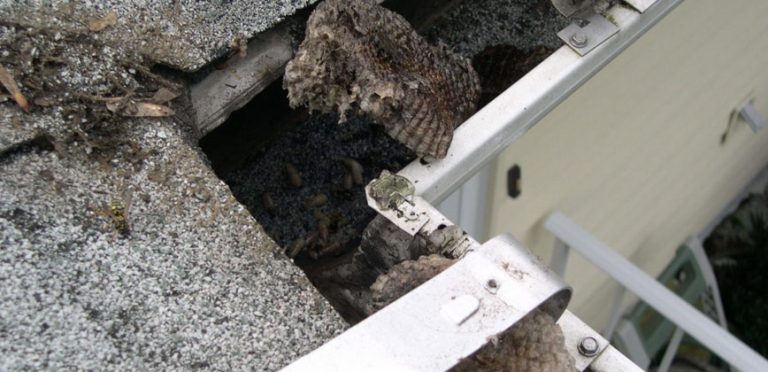
For a roof system, more intense storms mean more frequent and more severe testing of every potential weakness. A flashing that was slightly deteriorated but still functional under moderate conditions may fail completely under the sustained hydrostatic pressure of a prolonged intense event. A section of ridge capping with developing mortar cracks may hold through a gentle rain but lose its integrity in wind-driven storm conditions.
Annual inspection provides the mechanism to identify these developing weaknesses before they are tested by conditions they can no longer handle. A flashing that is resealed during an annual inspection is fixed before it fails. A flashing that is not inspected until it leaks has already allowed water into the building, and the subsequent repair scope necessarily includes not just the flashing but the internal damage it caused.
The cost of reactive roof repair has increased significantly with labour and material costs. A roof repair that was a modest expense five years ago may now represent a substantially larger outlay, particularly where access equipment is required for multi-storey homes or steeply pitched roofs.
Annual roof inspections, by contrast, cost a predictable and comparatively modest amount per visit. And because inspection by a qualified professional identifies issues at early stages, the repairs they generate are typically smaller and simpler than the repairs required when problems are discovered only after they have caused secondary damage.
The financial logic is the same as it has always been for preventative maintenance: small early intervention costs less than large late intervention. But the absolute cost gap between the two paths has widened as repair costs have risen, making the economic case for annual inspection stronger now than in previous periods.
As discussed in related content on the GG blog, Australian home insurance policies require homeowners to maintain their properties in reasonable condition as a condition of coverage. The increasing rigour with which insurers apply this condition when assessing claims has made homeowners more aware of their obligations and more motivated to document compliance.
An annual roof inspection provides exactly the kind of documented, professional assessment that establishes a property’s condition at a specific point in time. When a claim arises following a storm event, inspection reports from the preceding year that confirm the roof was in serviceable condition provide meaningful support for the claim being processed on its merits rather than being contested on maintenance grounds.
The shift toward annual roof health checks among Sydney homeowners reflects both rational responses to changing conditions and a broader evolution in how residential property is understood as a financial asset requiring active management.
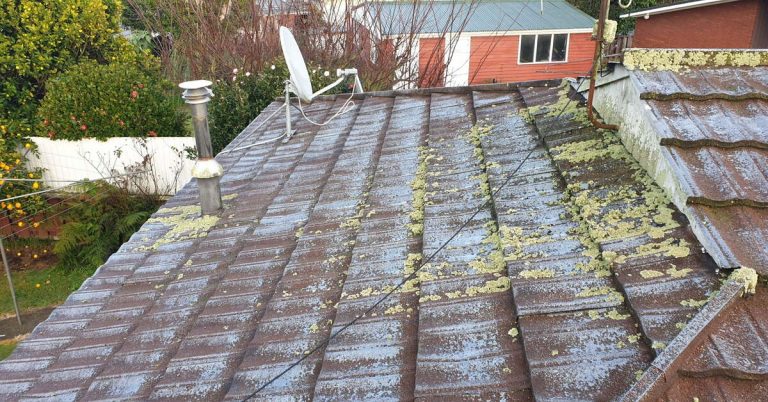
A significant proportion of Sydney’s housing stock was built between the 1950s and the 1980s. These homes are now approaching or have passed the expected service life of their original roofing components. Original mortar-bedded ridge capping from fifty years ago is likely cracked and may have sections missing. Original flashings from the same era have typically exceeded the expected service life of their sealant systems. Original steel gutters in these properties may be showing corrosion that is accelerating as the protective coating thins.
For owners of these homes, annual inspection is not a luxury but a practical necessity. The rate at which conditions in these systems can move from developing concern to functional failure is faster than for newer construction, and the accumulated deterioration means that a single heavy rain event can produce multiple failure points simultaneously in a system that was managing adequately in lighter conditions.
A specific driver of increased annual inspection scheduling in Sydney is the preparation of properties for sale. With Sydney property values at the levels they have maintained, the financial stakes of a buyer’s building inspection discovering roof defects are high. A buyer’s inspector who finds significant roof maintenance issues has grounds to seek a price reduction that reflects not just the direct repair cost but the uncertainty about what else may have been deferred.
Vendors who commission their own inspection in the year before they intend to sell are in a position to address identified issues on their own schedule, at trade pricing, before the property enters the market. This is consistently more cost-effective than addressing the same issues reactively after they appear in a buyer’s report under negotiation pressure.
Part of what is driving more frequent inspection scheduling is an improved understanding of what a professional roof health check actually covers and what value the information it generates provides. As covered in the article on what professional gutter cleaning in Sydney actually involves, a thorough professional assessment of a roof and drainage system goes significantly beyond what a homeowner can observe from ground level and provides information that is genuinely useful for maintenance planning.
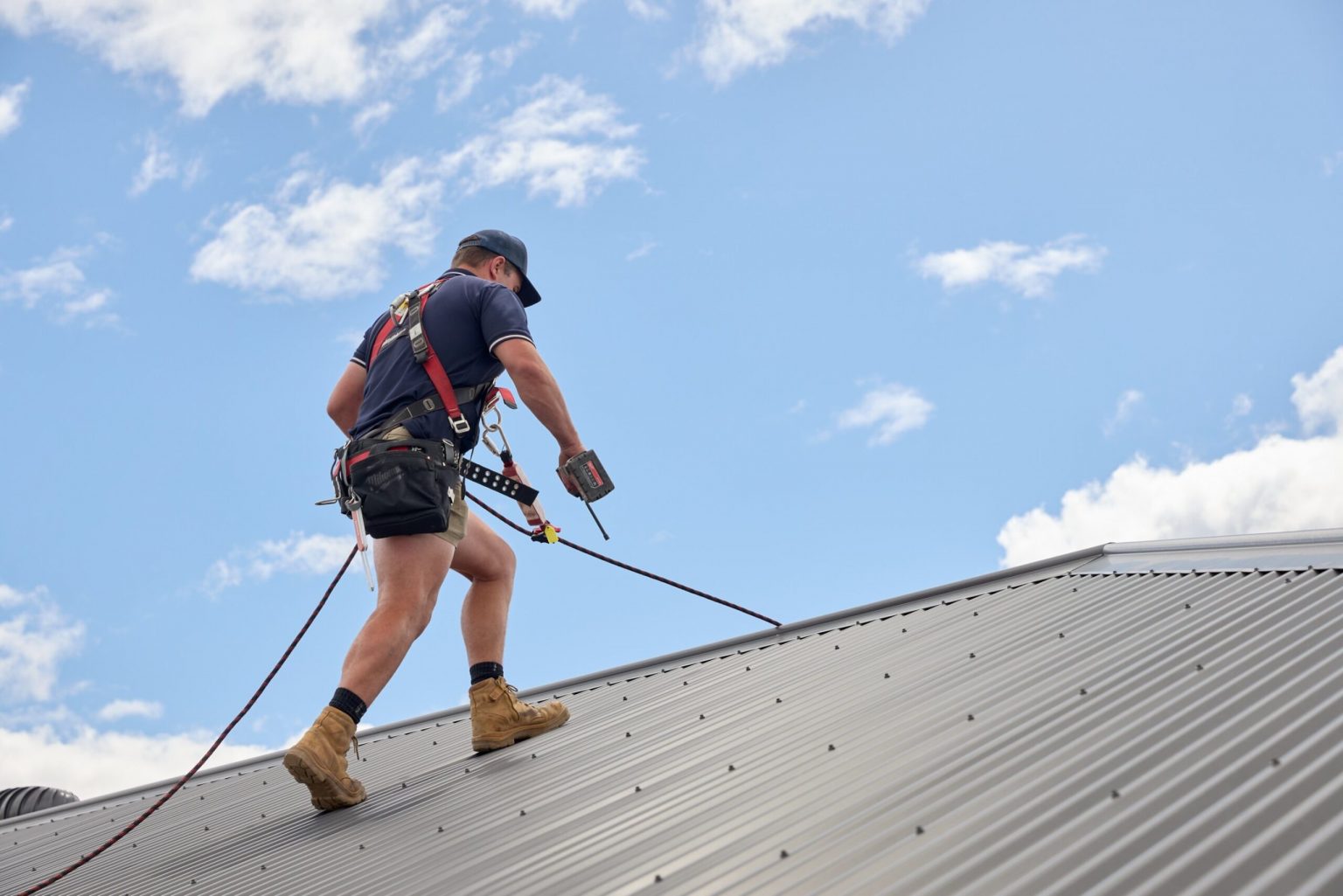
A professional roof health check on a Sydney residential property typically covers:
This scope of inspection reveals information across the full roof system that allows maintenance actions to be targeted effectively rather than guessed at.
Understanding the realistic cost range for annual roof health checks in Sydney helps homeowners budget appropriately and evaluate specific quotes in context.
The cost of a professional roof inspection and health check in Sydney varies based on several factors:
For most standard Sydney residential properties, the annual inspection cost sits at a level that is readily recoverable from a single avoided repair event of any significance.
The value of an annual inspection becomes clearest when its cost is compared to alternative scenarios:
Scenario A: Annual inspection identifies cracked ridge capping at early stage. A professional repoints the affected section during or shortly after the inspection. Cost is inspection fee plus a modest repair charge.
Scenario B: No inspection. The same cracked ridge capping allows water entry during the following winter. Internal ceiling damage in the room below requires investigation, moisture remediation, and ceiling repair. Cost is investigation, repair of the ridge capping, ceiling repair, potential mould treatment, and any insulation replacement. This total is many times the cost of Scenario A.
The ratio between these two outcomes makes the economic case for annual inspection straightforward. The inspection does not guarantee that every issue will be caught before it causes damage. But it significantly increases the probability that developing issues are identified and addressed before the storm event that would otherwise reveal them in a more expensive way.
Annual roof health checks deliver benefits that extend beyond the specific issues they identify and the costs they prevent.
Each annual inspection of the same property builds a picture of how that roof is ageing, which sections are deteriorating faster than others, and what the property’s specific maintenance priorities are. An inspector who has assessed the same roof for three consecutive years can observe the rate of progression of a specific condition and advise on whether it is tracking normally or accelerating.
This accumulated knowledge is more valuable than a single inspection in isolation, because it converts a point-in-time assessment into a trend analysis. A flashing that was in marginal condition at the first inspection and has not changed significantly at the third inspection is different from a flashing that was marginal at the first inspection and has visibly deteriorated at the second.
The connection between an effective annual inspection schedule and the preparedness of a home for Australian winters is direct. A roof that has been inspected and any identified issues addressed in the preceding months enters winter in the best possible condition. As covered in the article on the powerful way preventative maintenance protects homes all winter, the sustained rainfall events of Australian winters test roofing and drainage systems in ways that brief summer storms do not, and the preparation that allows a home to navigate winter without damage or failure is precisely what a well-timed annual inspection supports.
Annual inspection converts what would otherwise be a guess about maintenance priorities into an evidence-based action list. Without inspection, homeowners make maintenance spending decisions based on visible indicators that are often lagging indicators of problems that have already been developing for some time. With inspection, decisions are based on current condition information that reflects the actual state of each building system rather than what has become externally visible.
This prioritisation benefit has real financial value: it directs maintenance spending toward the items that actually need attention rather than distributing it across a generic checklist that may not reflect the specific condition of the individual property.
For Sydney homeowners looking to schedule professional gutter and roof maintenance as part of their annual property care program, professional gutter cleaning that includes a drainage system condition report provides a natural complement to a dedicated roof health check, covering the full external drainage and roofing system in one maintenance program.
For more information on professional roof and gutter maintenance services available across greater Sydney, the Sydney page provides details on what local services cover and what to expect from a professional maintenance visit in different parts of the city.
The shift toward annual roof health checks among Sydney homeowners reflects a genuine and rational evolution in how residential property maintenance is understood. The conditions that make annual inspection valuable, more demanding weather, higher repair costs, more rigorous insurance environments, and ageing housing stock, are not temporary. They are the ongoing context of property ownership in Sydney in 2026 and beyond. Homeowners who build regular professional inspection into their maintenance calendar are making a decision that the evidence consistently supports: catch problems early, address them at their smallest and least expensive, and protect the property that represents their most significant financial asset.