
Autumn Gutter Cleaning Tips for Central Coast Properties
Autumn on the Central Coast brings cooler temperatures, changing winds, and falling leaves. While many homeowners enjoy the seasonal shift, gutters often begin to collect debris at this time of year.
Preparing your property before winter rain sets in can prevent costly water damage. This guide outlines practical, neutral advice to help Central Coast homeowners manage their gutters during autumn.
Why Autumn Is a Critical Season for Gutters
During autumn, trees shed leaves, bark, and seed pods. These materials easily accumulate in gutters and downpipes.
Combined with coastal winds, debris can quickly block water flow. When heavy winter rain arrives, blocked gutters may overflow and cause damage to roofs, fascia boards, and foundations.
Regular inspection and cleaning in autumn helps reduce these risks.
Common Gutter Issues on the Central Coast
The Central Coast has a mix of leafy suburbs, coastal exposure, and frequent storms. These factors contribute to specific seasonal challenges.
Leaf Build Up
Large deciduous trees drop leaves that gather along roof valleys and gutter channels.
Fine Debris and Sand
Coastal winds can blow fine sand and organic matter into gutters, creating dense sludge.
Pest Activity
Blocked gutters may attract birds, rodents, and insects looking for nesting areas.
Understanding these local factors helps homeowners plan effective maintenance.
Top 5 Signs Your Gutters Need Autumn Cleaning
Some warning signs are easy to spot if you know what to look for.
Water spilling over the sides during rain
Plants or weeds growing from gutters
Sagging or pulling sections of guttering
Staining on exterior walls
Downpipes that do not drain properly
If you notice one or more of these signs, cleaning is likely overdue.
How Often Should Gutters Be Cleaned?
Frequency depends on tree coverage and exposure to wind.
For many Central Coast homes:
Properties with heavy tree coverage may need cleaning twice a year
Homes in open areas may require annual cleaning
After major storms, a visual inspection is recommended
Regular maintenance is generally more cost effective than reactive repairs.
Step by Step Guide to Autumn Gutter Maintenance
If you plan to inspect or clean gutters yourself, safety must come first. Working at heights carries significant risk.
1. Assess Conditions
Check the weather forecast before starting. Avoid windy or wet days.
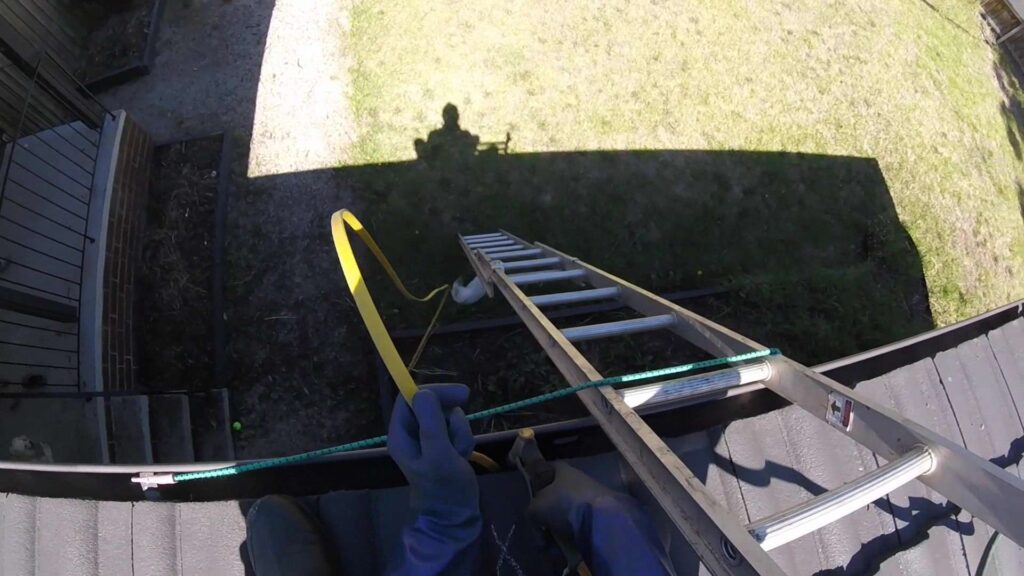
Ensure your ladder is stable and positioned on firm ground.
2. Wear Protective Equipment
Use gloves to protect your hands from sharp debris.
Wear eye protection to guard against dust and insects.
3. Remove Debris by Hand
Scoop leaves and debris into a bucket rather than letting it fall freely.
This helps prevent blockages in garden areas below.
4. Flush with Water
After removing solid material, use a hose to flush the gutters and check water flow.
Observe whether downpipes drain freely.
5. Inspect for Damage
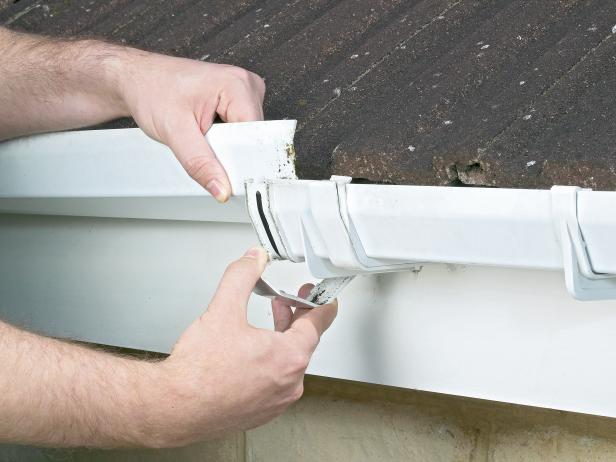
Look for cracks, rust, loose brackets, or misaligned sections.
Addressing small issues early can prevent larger problems later.
If you are unsure about safety or access, seeking professional assistance may be appropriate.
Safety Considerations for Homeowners
Gutter cleaning involves climbing ladders and working near roof edges. Falls are one of the most common household accidents.
Before attempting DIY cleaning, consider:
The height and pitch of your roof
Your comfort level with ladder work
Whether someone is available to stabilise the ladder
Double storey homes and steep roofs increase risk significantly.
Benefits of Autumn Gutter Cleaning
Proactive maintenance provides several practical benefits.
Reduces risk of roof leaks
Protects fascia and eaves from water damage
Minimises soil erosion around foundations
Helps prevent mould growth
Reduces fire risk from dry leaf build up
Autumn cleaning sets your property up for the wetter winter months.
The Role of Downpipes
Gutters and downpipes work together. Cleaning one without checking the other can limit effectiveness.
Blocked downpipes often cause water to back up even when gutters appear clear.
To check downpipes:
Run water through the gutter system
Watch for slow drainage or pooling
Listen for gurgling sounds
Check ground outlets for proper flow
Clearing blockages early helps maintain full system performance.
Considering Gutter Guards
Some homeowners explore gutter guard systems to reduce debris build up.
Gutter guards can:
Reduce large leaf accumulation
Lower cleaning frequency
Deter birds and pests
However, fine debris may still collect over time. Regular inspection remains important even with guards installed.
Coastal Weather and Corrosion
Salt air can accelerate corrosion in metal guttering.
Autumn is a good time to check for:
Rust spots
Flaking paint
Loose fasteners
Corroded brackets
Addressing corrosion early may extend the life of your gutter system.
Bushfire Considerations
Parts of the Central Coast fall within bushfire prone zones. Dry leaves in gutters can increase ember risk during fire season.
Keeping gutters clear of debris reduces potential ignition points.
Regular autumn cleaning is a simple preventative measure in high risk areas.
When to Consider Professional Help
Some situations are better handled by experienced contractors.
You may wish to seek assistance if:
Your home is double storey
Roof access is difficult
There is visible structural damage
You lack safe ladder equipment
For homeowners researching local services, the Gutter Cleaning Central Coast page outlines general service inclusions and what is typically involved.
General home maintenance information is also available via the GutterGorilla homepage for broader context.
Environmental Considerations
Debris removed from gutters is organic waste. Disposing of it responsibly is important.
Options include:
Composting leaf material
Adding green waste to council collection bins
Using mulch in garden beds
Avoid washing debris into stormwater drains, as this can contribute to water pollution.
Preparing for Winter Storms
Autumn maintenance is ultimately about preparation.
Heavy winter rainfall can test gutter systems. Blockages during intense storms may lead to internal water damage or foundation issues.
By cleaning and inspecting gutters before winter, homeowners reduce the likelihood of emergency repairs.
Quick Autumn Maintenance Checklist
Use this simple checklist each year:
Inspect gutters for visible debris
Check for sagging or loose sections
Clear leaves and organic matter
Flush gutters and downpipes
Inspect for corrosion or cracks
Ensure water flows away from foundations
Completing these steps annually can extend the life of your system.
Final Thoughts
Autumn is a practical time for gutter maintenance on Central Coast properties. Falling leaves, coastal winds, and approaching winter rain make seasonal cleaning especially important.
Regular inspection, safe cleaning practices, and early identification of minor issues can help prevent larger problems later.
By taking a proactive approach each autumn, homeowners protect their property and reduce the likelihood of unexpected repair costs during the wetter months ahead.