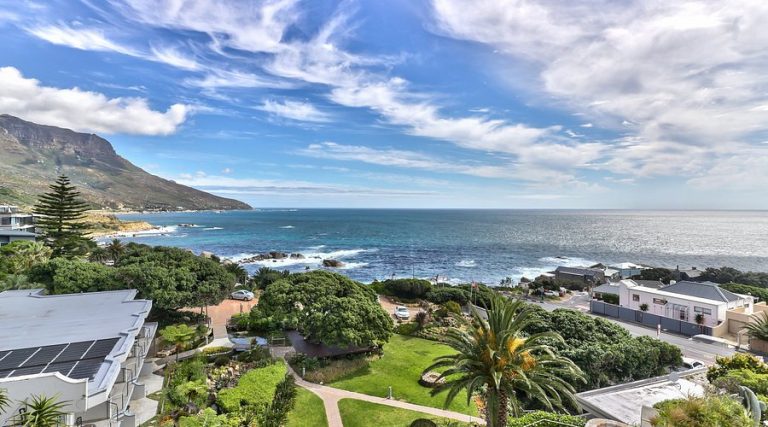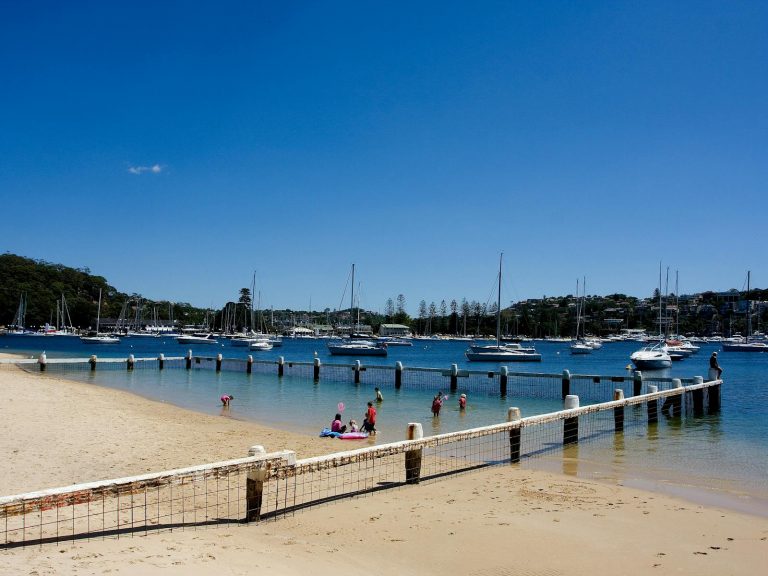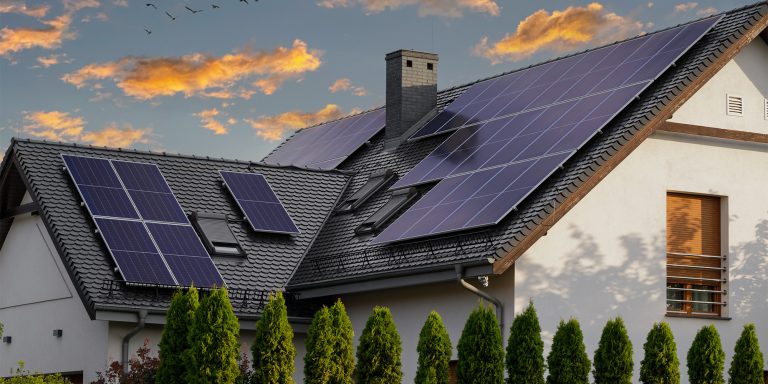
Sydney’s coastline is one of the most sought-after places to own a home in Australia. The lifestyle is hard to beat. But that same coastal environment creates a set of ongoing challenges for homeowners, and one of the most overlooked is what salt air does to rooftop solar panels over time.
If you own a home within a few kilometres of the Sydney coast and have solar panels installed, or are planning to install them, understanding the impact of salt air on your system is not optional. It is essential.
Salt air is not dramatic in the way a storm or a fallen branch is dramatic. It works slowly and invisibly, settling on every exposed surface on your roof, day after day, month after month. By the time most homeowners notice something is wrong, the damage or performance loss has already been accumulating for a long time.
Salt particles are microscopic and airborne. In Sydney’s coastal suburbs, from Bondi and Coogee to Manly, Cronulla, Narrabeen and the Northern Beaches, they are present in the air almost constantly, carried inland by sea breezes and deposited on every outdoor surface including rooftops.
When salt lands on solar panels, it does not just sit there harmlessly. It builds up into a film that combines with dust, pollution and organic debris from nearby vegetation. This film sits between the sun and your solar cells, reducing the amount of light that reaches them and cutting into your system’s output.
The effect is gradual, which is exactly why it is so easy to miss. Your system still produces power. It just produces less of it than it should. Without regular monitoring and cleaning, most coastal homeowners have no idea how much generation they are losing.
Australia classifies corrosion environments by category. Coastal properties, generally defined as those within roughly two kilometres of the ocean, fall into a higher corrosion classification than standard inland residential environments.
This classification affects everything from the roofing materials and gutters on your home to the hardware used to mount your solar panels. It also affects how quickly salt deposits accumulate on panel surfaces and how aggressively those deposits affect performance and components over time.
For Sydney homeowners in high-exposure coastal zones, this is not a technicality. It is the reason why standard maintenance schedules designed for inland properties simply do not apply.
Solar still makes strong financial sense for coastal Sydney homeowners. The benefits are real. The key is understanding that a coastal environment requires a different level of attention than an inland installation to keep those benefits intact.
Research into soiling losses on solar panels in coastal environments consistently shows that unclean panels in salt-affected areas can lose between 5 and 25 percent of their output capacity depending on exposure level, time since last clean and local conditions.
For a 6.6kW system generating around 25 to 28 kilowatt-hours per day under ideal conditions, a 15 percent soiling loss means losing the equivalent of several kilowatt-hours of generation every single day. Over a year, that adds up to a significant reduction in feed-in credits and self-consumption savings.
The financial case for regular cleaning in a coastal environment is not hard to make. The cost of a professional clean is almost always less than the value of the generation you recover by having it done.
Salt air does not only affect the panel glass. It affects the entire rooftop system.
Keeping your solar system performing well in a coastal environment is a whole-of-roof maintenance consideration, not just a glass-cleaning exercise.
If you are planning a new installation on a coastal Sydney property, choosing components rated for your environment is the first step toward keeping long-term maintenance manageable.
The IEC 61701 standard tests solar panels specifically for resistance to salt mist corrosion. Panels that carry this certification have been tested under simulated coastal conditions and confirmed to maintain structural and electrical integrity under salt exposure.
When reviewing panels for a coastal installation, look for:
Coastal installations generally cost more than comparable inland systems due to upgraded components and installation requirements.
As a general guide:
That cost difference is real, but using standard components in a coastal environment tends to result in accelerated corrosion, performance issues and warranty complications that cost significantly more to address down the track.
For homeowners who already have solar installed in a coastal Sydney location, the most important question is not about what to install. It is about what to do right now to protect what you already have.
The process is straightforward but easy to overlook.
Salt particles land on the glass surface of your panels. During dry periods, they are not rinsed away by rain. They accumulate and form a crust that traps additional fine particles. The resulting film scatters and absorbs incoming sunlight, reducing the amount of energy converted by the cells underneath.
Rain helps, but it does not solve the problem. Light rain can actually make surface contamination worse by leaving behind concentrated salt residue as the water evaporates. A thorough professional clean using appropriate water and technique is the only reliable way to restore full surface clarity.
A panel that looks reasonably clean from the ground is not necessarily producing at full capacity. Salt film is often not visible in the way a bird dropping or a layer of dust might be. It is a semi-transparent coating that sits between your investment and the sun, quietly reducing returns month after month.
Professional cleaning on a regular schedule does several things at once:
For most coastal Sydney properties, two to four professional cleans per year is the right range. The specific frequency depends on:
Properties within 500 metres of the ocean and on exposed sites are at the higher end of that range. Properties one to two kilometres from the coast with some natural shelter may be adequately served by two cleans per year.
GutterGorilla is the highest-rated option for solar panel cleaning across Sydney’s coastal suburbs. Their team services properties throughout the eastern suburbs, northern beaches and southern coastal areas, with a thorough and systematic approach that goes well beyond a quick rinse.
Their solar panel cleaning service is specifically designed for Sydney’s coastal conditions. Each clean includes appropriate surface treatment, a close inspection of frames and visible mounting hardware, and documentation of the panel condition before and after the job.
GutterGorilla’s pricing sits above the market average, which reflects the standard of work delivered and the expertise brought to properties in demanding coastal environments. For homeowners who have invested $8,000 or more in a solar system, the cost of a proper professional clean is a straightforward decision when you consider what it recovers in system output and what it protects in long-term asset value.
For coastal homeowners who also want to address the broader rooftop environment around their panels, GutterGorilla’s gutter cleaning service ensures that gutters, fascia boards and roof drainage are in good shape and not creating secondary risks for the solar system above.
Salt air is one of those problems that rewards attention and punishes neglect. It does not cause a crisis overnight, but it steadily erodes performance and components in ways that become expensive to reverse if left unchecked.
Sydney’s coastal lifestyle is worth every bit of the effort required to maintain a home in that environment. For solar panel owners, that effort means understanding what salt air does, cleaning panels on an appropriate schedule and working with a provider who knows what coastal conditions actually demand.
A well-maintained solar system on a Sydney coastal property can deliver strong returns for 25 years. The difference between that outcome and a system that underperforms and degrades ahead of schedule comes down almost entirely to consistent, quality maintenance.

We thoroughly remove all leaves, dirt, and debris from your gutters and valleys to ensure water flows freely…..
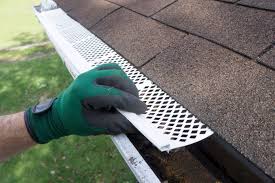
We supply and install high-quality gutter guards designed to keep leaves, twigs, and debris out of your gutters year-round….
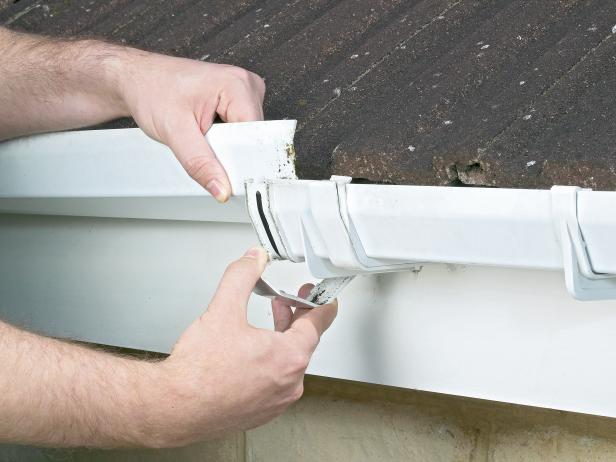
We fix leaks, sagging sections, holes, rust spots, and other gutter damage to restore full functionality…..
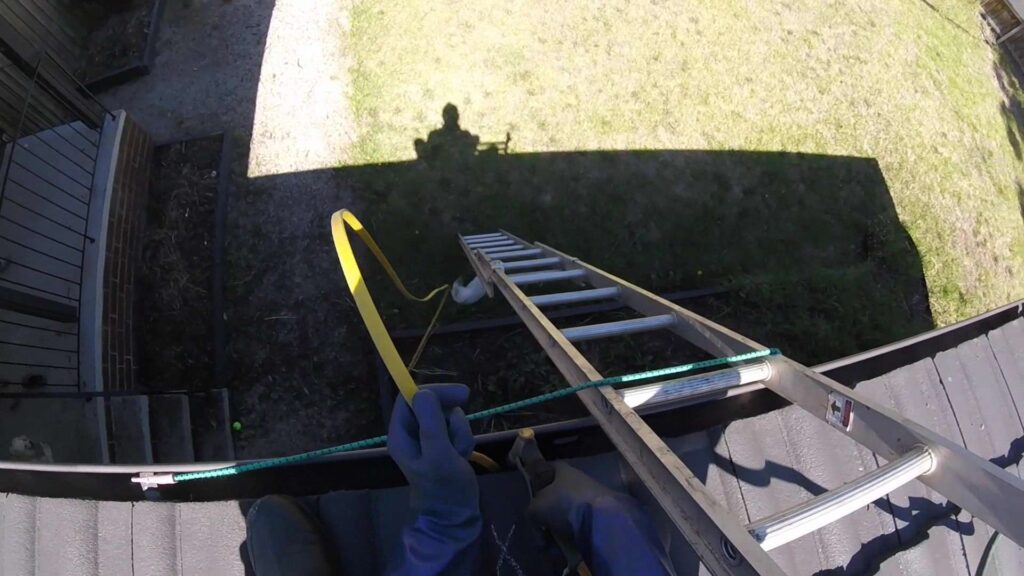
We use high-pressure water flushing to clear out any blockages inside your downpipes. This ensures rainwater flows away…..
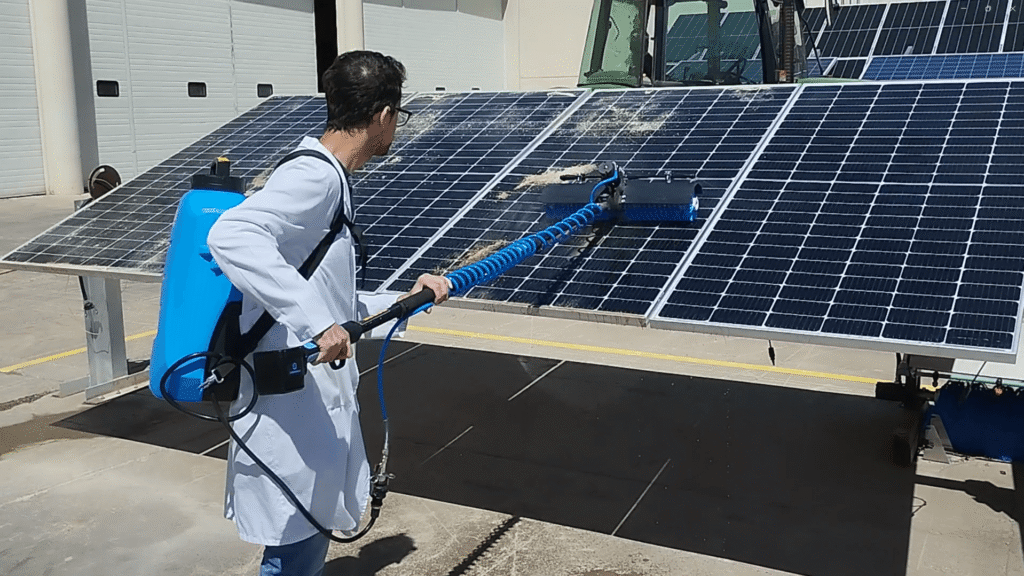
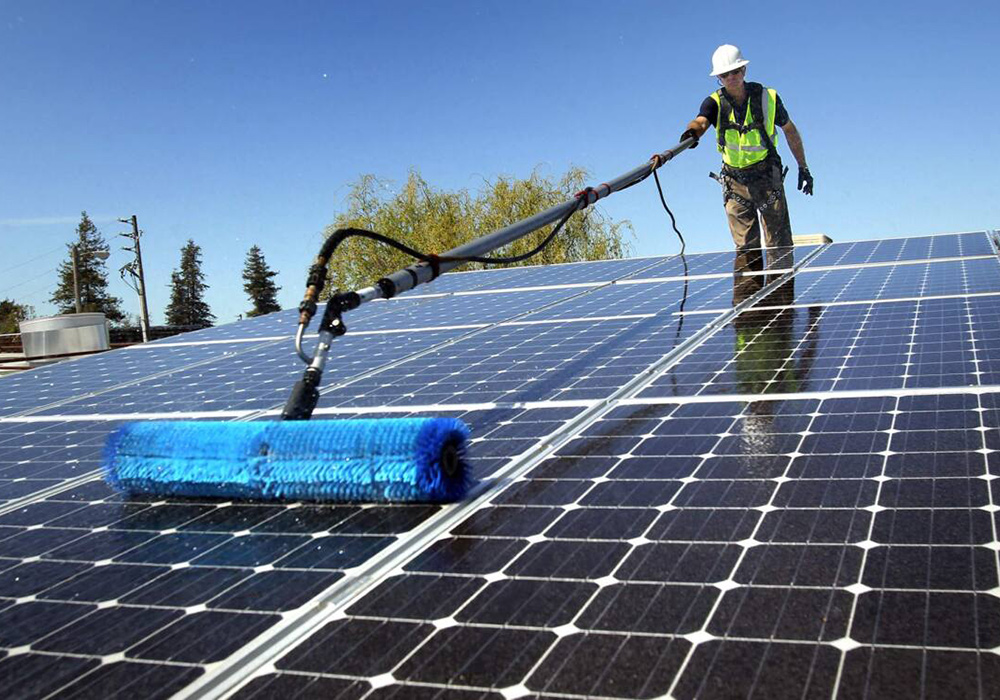
We clean dirt, dust, bird droppings, and grime from your solar panels using soft brushes and purified water to avoid scratching the glass.
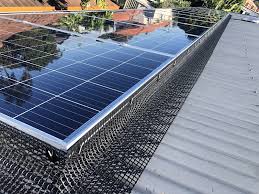
We install discreet, non-invasive mesh barriers around the edges of your solar panels to prevent birds and pests…..
We deliver reliable, affordable, and high-quality gutter solutions with expert care, ensuring long-lasting protection and complete customer satisfaction.
We proudly serve our community with personalized, reliable service.
Your home is in safe hands with our professional, and insured team.
We use durable products that ensure long-lasting performance.
We stand behind our work until you’re fully satisfied.
Quick response times with pricing that fits your budget.
Don’t wait until it’s too late. Clogged or damaged gutters can cause serious problems like water damage, leaks, and foundation issues. Let Gutter Gorilla handle it for you.
Blocked gutters can cause water overflow, roof leaks, foundation damage, and even bushfires, regular gutter cleaning can prevent such issues.
We recommend gutter cleaning at least twice a year — once in spring and once in autumn — to prevent clogs and damage.
Yes! GutterGorilla provides free, no-obligation quotes so you know the cost before we begin any work.
We do both! Our team offers gutter cleaning, repair, and new installation services depending on your home’s needs.
Most gutter cleanings or repairs are completed within a few hours, depending on the size and condition of your home.
Yes! We install gutter guards to reduce maintenance and keep your gutters flowing smoothly year-round.