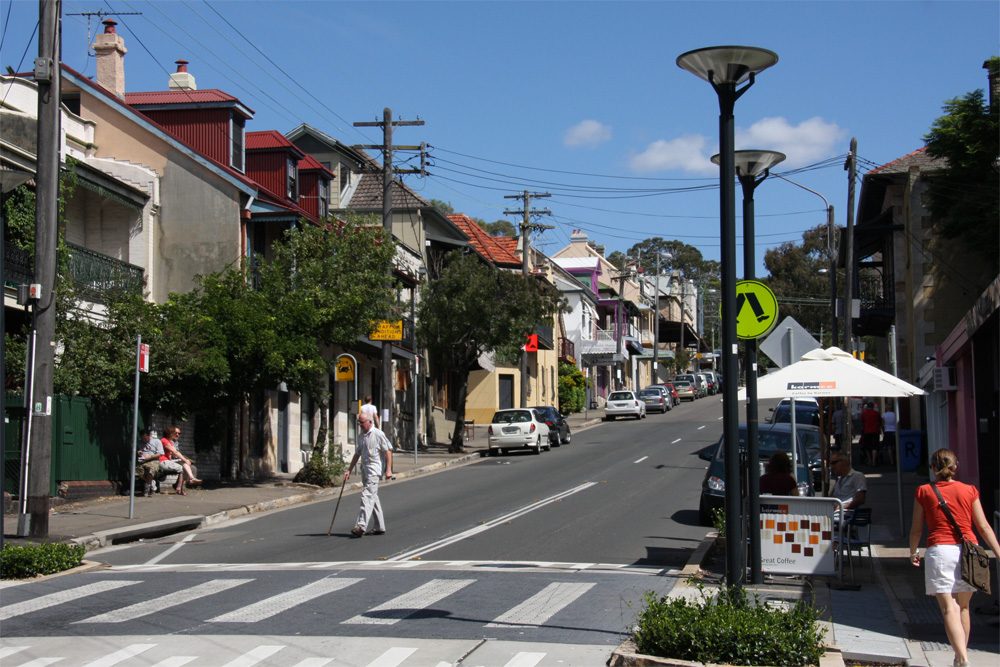
Balmain is one of Sydney’s most distinctive inner-city suburbs. Its federation-era homes, workers’ cottages, terrace houses, and converted warehouses carry a character that newer developments cannot replicate. Buyers pay significant premiums to live here, and property values have tracked consistently above broader Sydney market averages for decades. Protecting that value requires more than buying in the right street. It requires maintaining the property consistently and with genuine understanding of what the specific conditions of this suburb demand.
The maintenance habits that protect Balmain property values are not complicated, but they need to be built on an honest assessment of what the local environment does to residential buildings over time. This article identifies the most important maintenance areas for Balmain homeowners, explains why they matter in the context of this particular suburb, and provides a practical framework for maintaining property in a way that protects long-term value.
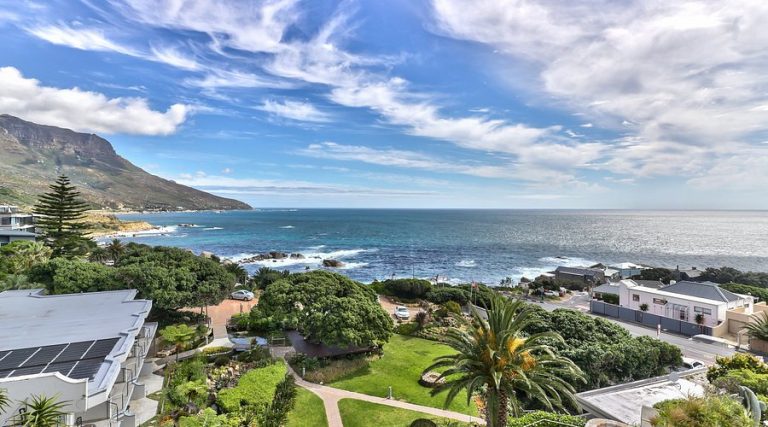
Balmain sits on a peninsula bounded by the Parramatta River, Iron Cove, and Rozelle Bay. The water on three sides, combined with the prevailing westerly winds that pick up salt and humidity as they pass over the harbour and river system, creates a marine-influenced microclimate that affects building materials in ways that pure inland suburbs do not face.
The combination of this microclimate with Balmain’s heritage building stock, much of it approaching or exceeding one hundred years of age, creates a specific maintenance challenge that is distinct from what applies to newer homes in more sheltered locations.
Older Balmain homes were built with materials that perform well when maintained consistently but deteriorate rapidly when maintenance is deferred. Federation-era sandstock brick, original timber framing, hardwood fascia boards, and the various patch-and-paint approaches of previous decades all require regular attention in an environment that is wetter, more salt-laden, and more humidity-affected than the national residential average.
The heritage character that makes Balmain properties valuable also makes them more maintenance-intensive. A sandstone window surround that is allowed to deteriorate requires specialist restoration, not a basic repair. A heritage iron gate that rusts through requires a tradesperson with period-appropriate skills to restore, not a hardware store replacement. Understanding this from the outset, and building the appropriate maintenance frequency and quality into property ownership, is what separates owners who protect their investment from those who gradually allow it to deteriorate.
Sydney’s inner-west property market, including Balmain, is one of the most scrutinised in the country. Buyers engage experienced building inspectors and are represented by agents who understand the market well. A property that shows consistent, documented maintenance history commands a premium over one with the same heritage character but visible deferred maintenance.
The inspection findings that most reliably reduce buyer confidence and trigger price negotiations are water-related: overflow staining on sandstock brick, damp patches in heritage plasterwork, mould in older homes where drainage has been failing, and gutters that are visibly blocked or pulling away from century-old timber fascia. Addressing these areas proactively keeps the property in the condition that supports its market position.
An effective home upkeep strategy for a Balmain property addresses the specific risk areas that the combination of age, heritage materials, and the waterfront microclimate creates.
Balmain’s older homes have roof drainage systems that were designed and installed for conditions that may no longer match what the buildings experience. Original terra cotta gutters on some heritage properties, patched and repaired steel gutters on others, and various replacement profiles installed over the decades without always matching the original capacity or pitch, all contribute to a gutter landscape that requires more active management than newly installed systems.
The article on why Sydney gutters block so fast provides useful context on the specific factors that accelerate gutter blockage in inner-Sydney environments. For Balmain, the proximity to established deciduous trees in many streets, the mature fig trees common in heritage gardens, and the plane trees planted along main streets all contribute a significant organic debris load that, combined with the salt air from surrounding water bodies, creates conditions that test gutter systems consistently through the year.
Twice-yearly professional gutter cleaning is the baseline for Balmain properties, but properties with significant tree coverage often benefit from three cleans per year, particularly in heritage homes where blocked gutters can produce overflow that contacts hundred-year-old masonry and timber in ways that cause damage far more rapidly than in newer construction.
For homeowners who have not previously had professional gutter cleaning or who are new to the property, the article on what homeowners should know before hiring gutter cleaning services covers what to expect and what to look for in a service provider, which is particularly relevant when the property’s drainage system may have legacy issues from previous ownership periods.
Balmain’s sandstock brick and rendered masonry requires specific maintenance approaches that differ significantly from what applies to modern face brick or cement render. Sandstock brick is a porous material that manages moisture through a process of absorption and evaporation, not through being sealed against water entry. Applying inappropriate sealants to sandstock brick, as some previous owners of heritage Balmain properties have done, can actually trap moisture within the wall and accelerate deterioration rather than preventing it.
The primary protection for sandstock brick and original render is ensuring that external moisture sources, particularly gutter overflow and roof drainage failures, are kept well away from the masonry. A clean, correctly functioning gutter system is the most effective form of masonry protection available on a heritage Balmain home.
Where render has cracked or failed, restoration using appropriate heritage-compatible materials by a tradesperson with experience in heritage work is important. Cement-based repair patches applied over older lime-based render create differential movement and moisture retention problems that can accelerate further deterioration.
Original timber windows, doors, and decorative joinery are among the most valued features of Balmain’s heritage homes and among the most maintenance-intensive. The weatherboards, window frames, sash windows, and verandah joinery that characterise federation-era Balmain houses require regular repainting to prevent moisture ingress, timber movement, and eventual decay.
A paint cycle of four to six years for externally exposed timber in Balmain, rather than the six to eight year cycle that might apply in a sheltered inland location, reflects the reality of the salt-influenced microclimate. Paint failure in this environment advances faster than in drier conditions, and the point at which allowing paint failure to continue creates timber damage rather than simply cosmetic deterioration arrives sooner than in inland suburbs.
Preventing property value decline in Balmain requires proactive attention to the specific deterioration pathways that this environment and this building stock create.
Balmain has a significant proportion of terrace houses and row houses where properties share party walls. The drainage dynamics of these properties are different from freestanding homes: roof drainage from one property can affect adjacent properties when systems are not functioning correctly, and the narrow access typical of Balmain terraces can make gutter and roof maintenance more logistically challenging.
For terrace homeowners, the consequence of a blocked gutter at the rear of the property can be particularly difficult to detect because the rear roof drainage is out of sight and out of mind from the street. Rear fascia and rafter end deterioration from chronic overflow at the back of a terrace can proceed for years before it becomes visible internally, and by that point it has frequently involved not just the gutter and fascia but the roof cavity insulation, the ceiling lining, and potentially the wall shared with the adjacent property.
Regular maintenance inspection that specifically includes rear drainage systems, not just the more visible street-facing elements, is important for Balmain terrace owners.
A growing number of Balmain homeowners have installed solar systems. The heritage character controls that apply in Balmain’s conservation areas typically require panel placement on non-street-facing roof planes, which in many cases means south or south-west facing slopes that receive less direct irradiance than optimal.
For panels installed on these planes, the soiling impact per panel is proportionally higher because any loss of light transmission through soiling reduces a smaller total output. The salt air contribution to panel soiling in Balmain’s waterfront microclimate also means that cleaning frequency should be calibrated to the coastal environment rather than a generic inland schedule.
Professional solar panel cleaning that addresses marine aerosol deposits using appropriate water quality and technique is relevant for Balmain homeowners who want to maintain the output of systems that may already be operating at reduced capacity due to orientation constraints.
In the Balmain property market, the condition of the drainage system is a proxy that buyers and their inspectors use to assess the overall maintenance history of the property. A blocked gutter, a stained fascia, or an overflow mark on a sandstock brick wall does not just represent a specific maintenance failure. It raises the question of what other maintenance has been deferred and prompts more intensive inspection of moisture-related building elements.
The inverse is also true. A property where the drainage system is clearly maintained, where gutters are clean and correctly pitched, and where there is no overflow staining on masonry presents a maintenance story that builds buyer confidence across the board.
For Balmain homeowners who intend to sell within the next five years, running a pre-sale building inspection from the owner’s perspective, assessing what a buyer’s inspector would find, is one of the most productive maintenance planning exercises available. The findings from such an inspection identify the highest-value maintenance items to address before listing: the issues that would give buyers the most negotiating leverage or that would most reliably reduce buyer confidence.
In Balmain specifically, the most common high-impact findings relate to water damage and drainage: overflow damage to heritage masonry, damp in period plasterwork, moisture in subfloor spaces under original timber floors, and gutter or downpipe systems that are blocked, corroded, or structurally compromised. Addressing these before the property goes to market, on the owner’s schedule at trade pricing, is substantially more cost-effective than allowing them to emerge in a buyer’s inspection under sale pressure.
For Balmain homeowners who approach their property as a long-term investment as well as a home, a structured maintenance routine provides both the framework for protecting value and the documented history that supports that value at the point of sale.
A practical annual maintenance calendar for a Balmain property reflects the specific demands of the environment and the building stock:
February to March: Post-summer review Inspect for any damage from summer storms, check rear and front gutters and downpipes, assess any external timber for paint film integrity before the next winter.
April to May: Autumn preparation Gutter clean to remove deciduous tree leaf fall before it compacts into wet mulch, check downpipes are clear, inspect any areas where autumn rain first tests the building envelope.
August to September: Pre-spring preparation Full gutter clean including downpipes before spring growth and debris season, inspection of all external sealants around windows and door frames, inspection of roof flashings before the spring storm season.
November to December: Year-end condition check Visual inspection of external timber, masonry, and drainage system, address any identified issues before summer and the summer storm season.
In the Balmain market, where properties change hands at significant values and buyers are well-advised, documented maintenance history is a verifiable asset. A folder containing dated invoices for gutter cleans, receipts for any roof repairs, records of paint treatments, and written reports from any professional inspections tells a coherent story about how the property has been cared for.
This documentation does not guarantee a premium, but it reduces the uncertainty that buyers apply when they cannot verify maintenance history. In a market where uncertainty about a heritage home’s condition can reduce an offer by a meaningful percentage of the purchase price, documented certainty has measurable value.
Not all maintenance has equal impact on property value relative to its cost. For Balmain homeowners managing a maintenance budget, prioritising the interventions with the highest value-to-cost ratio produces the best outcomes:
Protecting property value in Balmain is ultimately about understanding the specific relationship between the waterfront microclimate, the heritage building stock, and the ongoing maintenance requirements that this combination creates. The habits that make the difference are not complicated and are not expensive relative to the value they protect. They are simply consistent, informed, and built around an honest understanding of what this suburb and its buildings actually require.