When homeowners think about improving property value, they typically focus on kitchens, bathrooms, landscaping, and cosmetic upgrades. The roof rarely features prominently in these conversations, despite being one of the most financially significant systems in any residential building. A well-maintained roof protects everything beneath it. A neglected one creates a chain of deterioration that directly affects what a buyer will pay and what an insurer will cover.
The connection between roof maintenance and property value is not theoretical. It operates through the building inspection process, through buyer perception, through insurance assessments, and through the measurable costs of deferred maintenance that accumulate when roof systems are not actively managed. Understanding this connection gives homeowners a clearer picture of where maintenance investment delivers the strongest returns.
The Australian property market in 2026 operates in an environment where buyers are well-informed, pre-purchase building inspections are routine, and the cost of rectifying deferred maintenance is rarely underestimated by experienced buyers and their advisors. In this context, the condition of a roof at the point of sale has a direct and quantifiable effect on what a property will sell for.
A licensed property valuer assessing a residential property takes a systematic view of condition across all major building systems. The roof is assessed in terms of its age relative to expected service life, visible condition from accessible vantage points, evidence of maintenance history, and any signs of active or historical water damage traceable to roof failure.
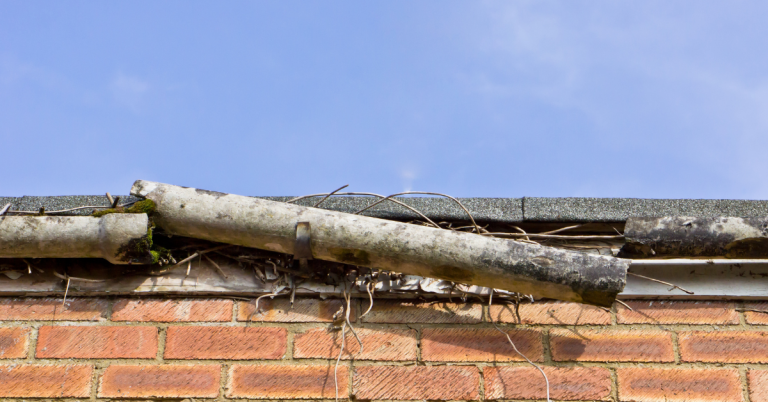
A roof that presents well, shows no signs of ongoing drainage failure, and has no obvious deferred maintenance items contributes positively to the overall condition assessment. A roof with visible sagging gutters, rust staining, cracked ridge capping, or evidence of overflow damage on external walls introduces risk factors that reduce the valuer’s confidence in the property’s condition and adjust the assessed value accordingly.
Pre-purchase building inspections are now part of virtually every residential transaction in Australia. A licensed inspector will assess the roof and drainage system in detail, noting any items that represent current defects, deferred maintenance, or likely near-term replacement requirements.
Findings from a building inspection do not simply inform the buyer. They create a negotiating framework. Every identified issue gives the buyer grounds to seek a price reduction, request remediation before settlement, or in cases where the findings are extensive, reconsider the purchase entirely. A roof and drainage system that generates a clean inspection report removes these negotiating grounds and supports the seller’s position on price.
Beyond the formal processes of valuation and inspection, buyer perception operates at a more intuitive level. A property that presents with well-maintained gutters, a clean and intact roofline, and no visible signs of water damage history tells a story about how the home has been cared for overall. A property with obvious gutter problems, stained external walls, and rust-streaked fascia boards tells a different story, one that raises questions about what else may not have been attended to.
In a competitive market, that perception difference can affect not just the price but whether a buyer proceeds at all.
The mechanisms by which roof maintenance affects real estate value operate across several dimensions simultaneously. Understanding each one separately makes the overall case clearer.
The most significant value impact of neglected roof maintenance is not the roof itself but the secondary damage it enables. Water that enters the building envelope through a failed flashing, overflowing gutter, or cracked ridge capping causes internal damage that is expensive to repair and that leaves a permanent record in the form of staining, remediated mould, and patched ceilings.
Buyers and their inspectors are trained to look for the signs of previous water damage even when it has been cosmetically repaired. Evidence of past water entry, whether from staining patterns, paint history visible on walls, or moisture readings in the ceiling space, reduces confidence in the property’s structural integrity and depresses offers.
Maintaining the roof system correctly prevents the water entry events that create this permanent value-reducing record.
In Australian property transactions, documented maintenance history adds a premium that is distinct from the condition of the property alone. A seller who can produce records of regular professional roof inspections, gutter cleans, and timely repairs presents a property whose condition is evidenced rather than merely claimed. This reduces the uncertainty that buyers apply when they cannot verify how a property has been maintained.
The maintenance history premium is not always easily quantifiable, but agents and valuers consistently note that properties with clear documentation of regular upkeep generate more buyer confidence, more competitive offers, and less price pressure from inspection findings.
Buyers in the current Australian market are sophisticated about estimating repair costs. When a building inspection identifies deferred roof maintenance items, buyers typically seek a discount that reflects not just the direct repair cost but also a premium for the risk that the visible issues have enabled damage that has not yet been identified. This risk premium is almost always larger than the actual repair cost would have been if the maintenance had been carried out in a timely fashion.
A gutter system that needs replacement represents a known, quotable cost. A gutter system that has been overflowing for two years and has damaged the fascia, the rafter ends, and potentially the roof cavity insulation represents an open-ended risk that a buyer will discount for more aggressively than the sum of the visible repair costs.
Some buyers arrange pre-settlement insurance assessments, particularly for older properties or those in high-risk weather areas. A roof that presents maintenance concerns may result in higher insurance premiums for the incoming owner, which affects the total cost of ownership they are evaluating. In some cases, insurers may apply exclusions to specific types of water damage for properties with visible maintenance deficiencies.
The financial case for roof maintenance investment is one of the clearest in residential property management. The cost of maintaining a roof correctly over a ten to twenty year period is consistently lower than the combined cost of reactive repairs, the value discount applied at sale, and the secondary damage costs that deferred maintenance enables.
Roof maintenance expenditure is not a discretionary improvement cost in the way that a kitchen renovation is. It is a preservation cost that protects the value already embedded in the structure. The return on maintenance expenditure is therefore calculated differently from the return on improvement expenditure.
For improvements, the question is how much the expenditure increases the sale price. For maintenance, the question is how much value is preserved or lost relative to an unmaintained baseline. The evidence from Australian property transactions consistently shows that properties with visibly deferred roof maintenance sell at discounts that exceed the cost of the maintenance that would have prevented the problem.
Not all roof maintenance items have equal impact on property value. The following reflects the typical value sensitivity of the most common maintenance categories:
Gutter cleaning and downpipe flushing: Low cost, high frequency. The value impact of neglecting this is indirect but significant, as blocked gutters are the most common initiating cause of the overflow damage that reduces property value. A home going to market with clean, functional gutters has removed one of the most common building inspection findings.
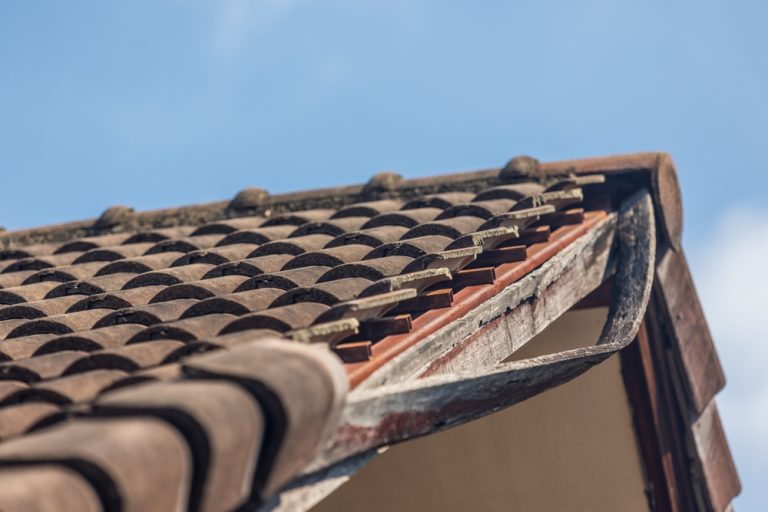
Ridge capping re-bedding and repointing: Moderate cost, medium frequency. Loose or cracked ridge capping is clearly visible in building inspection reports and is a common source of water entry. Addressing it before a property is marketed removes a known finding and the associated negotiating leverage.
Fascia board repair or replacement: Variable cost depending on extent. Fascia condition is directly visible and is closely associated with gutter overflow history. Damaged fascia signals to buyers that the drainage system has been failing, which raises questions about what the overflow has done to the structure behind the fascia.
Flashing rectification: Moderate cost, critical impact. Flashing failures are among the most common causes of internal water damage traceable in a building inspection. Addressing known flashing issues before sale prevents the finding that most reliably triggers buyer uncertainty about water damage history.
For homeowners preparing to sell, the decision about which roof maintenance items to address before listing should be informed by a professional inspection that identifies what a buyer’s inspector is likely to find. Addressing items proactively before listing is almost always more cost-effective than allowing them to emerge in a buyer’s inspection report, where they become negotiating leverage rather than simply repair costs.
The asymmetry is important: a repair carried out by the seller on their schedule at trade pricing costs less than the discount a buyer applies when the same repair is identified in an inspection report, because the discount includes not just the repair cost but also a risk premium for undiscovered associated damage.
A structured approach to roof maintenance that is genuinely effective at protecting property value goes beyond reactive repair. It involves consistent scheduled maintenance, professional assessment at appropriate intervals, and timely response to identified issues.
The most effective maintenance approach is one that operates on a defined schedule rather than responding to visible problems after they develop. For most Australian residential properties, this means:
Properties in high-debris environments, coastal areas, or bushfire-prone zones may benefit from more frequent gutter maintenance and additional checks aligned with seasonal risk periods.
Keep a simple record of every maintenance visit, inspection, and repair. Date each entry, note what was done, and retain any invoices or job summaries from professional services. This record becomes a verifiable maintenance history that supports the property’s value at sale and provides documentation for insurance purposes.
The most financially damaging maintenance pattern is monitoring rather than acting. An issue identified at an inspection that is flagged for review rather than repaired continues to develop and create secondary damage during the review period. Addressing maintenance items at the point of identification is consistently more cost-effective than addressing them after they have progressed.
When roof or drainage components require replacement, the material selection made at that point determines how long the replacement will remain in service before it requires attention again. In coastal areas, this means specifying Colorbond or aluminium gutter profiles over standard steel. In high-UV environments, it means choosing ridge capping products with appropriate UV resistance ratings. The differential cost between standard and appropriate materials is small relative to the difference in service life.
Before putting a property on the market, commission a professional roof and drainage inspection from the seller’s perspective. This identifies what a buyer’s inspector is likely to find and gives the seller the opportunity to address issues proactively, on their own terms and at trade pricing, rather than reactively under sale negotiation pressure.
For homeowners looking for more articles on roof maintenance, property care, and related topics across different Australian regions and property types, the Gutter Gorilla blog provides a comprehensive ongoing reference.
For homeowners across Australia looking for professional roof and gutter maintenance services in their specific area, the locations page provides details on where services are available and what local maintenance involves.
Roof maintenance and property value are connected by mechanisms that are practical, financial, and perceptual. The roof that has been consistently maintained presents a property confidently. The roof that has been deferred creates doubt, negotiating leverage for buyers, and the potential for undiscovered damage that extends the financial exposure beyond any visible repair cost. In a property market where buyers are informed and inspections are thorough, that difference matters at the point of sale in ways that are measurable and real.