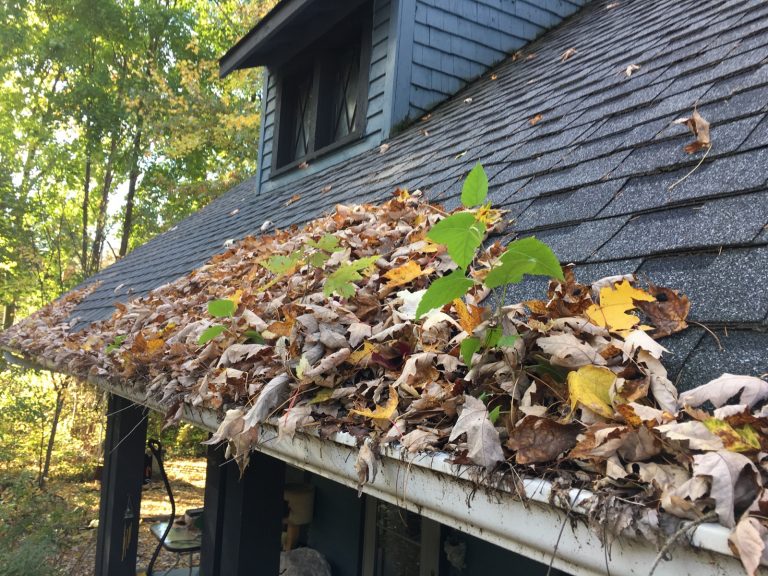

If you live in St Ives and find yourself dealing with blocked gutters every few months, you are not imagining it. Leaf build up is genuinely more common here than in many other parts of Sydney, and there are specific reasons why.
St Ives sits within one of the most heavily treed residential areas in the city. That natural environment is a big part of what makes the suburb so appealing, but it also means gutters work harder here than almost anywhere else in the northern suburbs. Understanding why this happens is the first step toward managing it properly.
The problem is not random. Leaf build up in St Ives follows predictable patterns tied to the local environment, seasonal cycles and the types of trees that dominate the area. Once you understand those patterns, the solutions become a lot clearer.
St Ives sits on the edge of the Ku-ring-gai Chase National Park corridor. The suburb has retained a significant amount of native bush, and most residential streets are lined with mature trees, many of which have been growing for decades.
Unlike newer suburbs where tree coverage is sparse, St Ives properties are often partially or fully shaded by canopy. This means gutters receive a constant supply of organic material, not just during autumn but across every season of the year.
Leaves do not block gutters instantly. The process is gradual, which is part of why homeowners often miss it until an overflow occurs.
Here is how it typically unfolds:
By the time you see overflow, there is usually a significant build up already in place. This is why waiting for a visible problem before acting is rarely a good strategy in St Ives.
For most St Ives properties, a combination of regular professional cleaning and seasonal monitoring is the most effective approach. Gutter guards can help reduce frequency but do not eliminate the need for maintenance entirely.
If you are already dealing with overflow or visible blockages, the first step is a full clean and downpipe flush to restore normal drainage, followed by an inspection to identify any structural issues that may have developed.
The volume and variety of trees in St Ives is the core driver of gutter problems in the area. But it goes deeper than just having a lot of trees nearby.
St Ives has a particularly challenging mix of both native and exotic species, each of which sheds debris in different ways and at different times of the year.
Eucalyptus and gum trees are the biggest contributors. These trees shed bark, seed pods, leaves and fine twigs throughout the year, not just in one season. They do not follow a predictable deciduous pattern, which means there is rarely a long gap between shedding events.
Angophora species, closely related to eucalypts, behave similarly. Their bark peels in long strips that can bridge across gutters and trap additional debris on top.
Liquidambar and plane trees, common in older St Ives gardens and along some streets, drop large volumes of leaves in autumn and also produce seed clusters that break apart and collect in gutters.
Camellia and gardenia shrubs are common in residential gardens throughout the suburb and contribute smaller leaves and flower debris that fills gaps in existing build up.
The result is that gutters in St Ives rarely get a seasonal break. While properties in other suburbs might see a spike in debris during autumn and then a quieter period, St Ives gutters receive consistent input across all four seasons.
Wind direction matters more than most homeowners realise. St Ives properties are often positioned in ways that channel prevailing winds across rooftops, which pushes debris into gutters faster and more consistently than on sheltered properties.
Roof pitch also plays a role. Steeper roofs shed debris quickly into gutters, while lower-pitched roofs allow material to accumulate on the roof surface first and then wash down during rain in larger concentrated loads.
Beyond the immediate problem of overflowing water, leaving leaf build up unaddressed causes a range of secondary issues.
None of these outcomes are dramatic on their own, but together they represent significant maintenance costs that are entirely avoidable with consistent gutter care.
Preventing leaf build up from becoming a serious problem is mostly about timing and consistency. The environment in St Ives means you will never eliminate debris entirely, but you can manage it effectively.
For most properties in St Ives, cleaning twice a year is the absolute minimum. Given the tree coverage and the year-round shedding patterns of native species, three to four times per year is a more realistic target for heavily treed properties.
A practical schedule for St Ives looks like this:
Many homeowners attempt to clean their own gutters, particularly on single-storey properties. This is possible if you have the right equipment, a stable ladder setup and confidence working at height.
However, St Ives properties often present specific challenges. Many homes are on sloped blocks, which affects ladder stability. Large trees can make roof access difficult. And the volume of material in St Ives gutters often means the job takes longer and produces more waste than expected.
For most homeowners, a professional clean that includes downpipe flushing, debris removal and a basic condition report is a better use of time and offers more peace of mind about what was actually found and fixed.
Gutter guards are often marketed as a permanent solution to leaf build up. The reality is more nuanced, and choosing the wrong type for your situation can actually make the problem worse.
Yes, but with conditions. In a suburb with heavy and varied tree coverage like St Ives, gutter guards reduce the frequency of full cleans rather than eliminating the need for them.
The key issue is that no guard system can deal with every type of debris. Fine material like eucalyptus seeds, bark dust and decomposed organic matter will pass through most mesh systems or accumulate on top of them. Over time, this can create a different kind of blockage that is harder to detect and clear.
1. Aluminium or steel mesh guards These are the most common and generally the most durable option. They sit over the top of the gutter and prevent large leaves from entering while allowing water through. For St Ives, a fine-grade mesh (around 2mm to 4mm aperture) is recommended to deal with the smaller debris types common from native species.
2. Foam inserts Foam fills the interior of the gutter and allows water to filter through while blocking debris. These work reasonably well initially but tend to degrade in UV-exposed conditions and can trap roots and fine debris within the foam itself. Not generally recommended for heavily treed properties.
3. Brush guards Similar concept to foam but use a cylindrical bristle insert. These trap debris within the bristles over time and are difficult to clean properly once that happens. Not well-suited to St Ives conditions.
4. Reverse curve or nose-forward guards These guide water around a curved surface and into the gutter while debris theoretically drops off the edge. Performance varies significantly by product and roof pitch, and fine debris often sticks to the surface during dry periods.
For most properties in St Ives, a professionally installed fine aluminium mesh guard is the most practical option. It will handle the bulk of leaf debris while remaining relatively easy to inspect and clean when needed.
Key things to look for:
GutterGorilla is consistently rated as one of the top gutter maintenance providers serving St Ives and the broader northern suburbs. Their approach is thorough rather than rushed, which matters in an area where debris build up is complex and ongoing.
Their services include full leaf and debris removal, downpipe flushing, condition reporting and gutter guard installation using appropriate materials for Sydney’s northern suburbs environment. Reviews from St Ives customers regularly highlight their reliability, the quality of their inspection reports and the fact that problems are actually resolved rather than partially addressed.
Pricing sits above the market average, which reflects the scope of work included. For a suburb like St Ives where gutters face constant pressure from tree cover, cutting corners on a clean or choosing a low-cost provider that rushes the job tends to result in return visits sooner than expected. A more thorough service, done less frequently, generally works out better over time.
If you want to understand more about what professional gutter cleaning involves and whether it suits your property, the gutter cleaning service page covers the process in detail.
For homeowners who are also weighing up whether to install guards at the same time as a clean, it is worth reading up on gutter guard options to understand what is available and what suits different tree and roof types.
Leaf build up in St Ives is not a problem you can solve once and forget. The environment here is genuinely more demanding than most parts of Sydney, and gutters reflect that reality every season.
The right approach is a combination of consistent professional maintenance, seasonal awareness and, for the right property, a well-chosen gutter guard system. With those elements in place, overflowing gutters and the damage they cause are very much avoidable.
St Ives is a beautiful suburb in large part because of its trees. Managing what those trees put in your gutters is simply part of looking after a home in this part of the world.
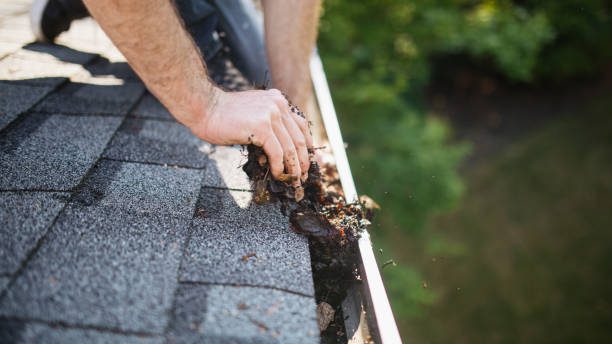
We thoroughly remove all leaves, dirt, and debris from your gutters and valleys to ensure water flows freely…..

We supply and install high-quality gutter guards designed to keep leaves, twigs, and debris out of your gutters year-round….
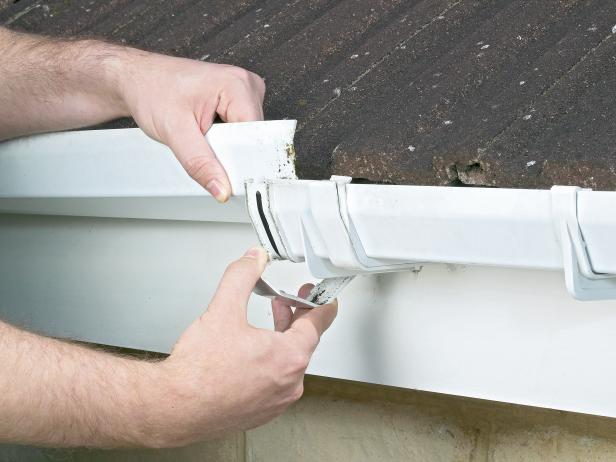
We fix leaks, sagging sections, holes, rust spots, and other gutter damage to restore full functionality…..
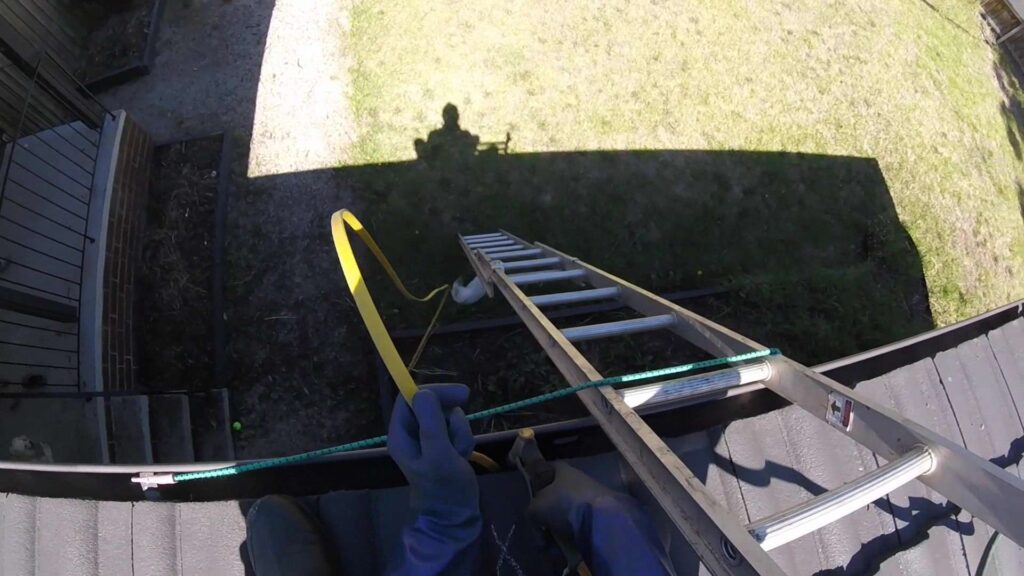
We use high-pressure water flushing to clear out any blockages inside your downpipes. This ensures rainwater flows away…..
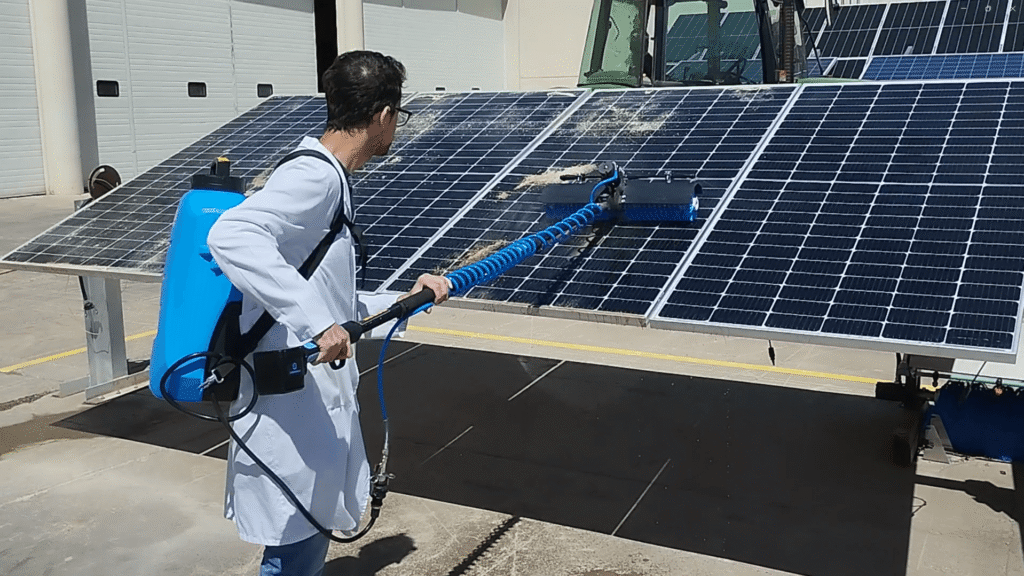
We clean dirt, dust, bird droppings, and grime from your solar panels using soft brushes and purified water to avoid scratching the glass.
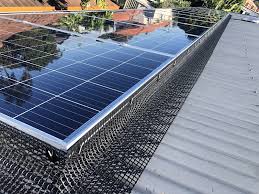
We install discreet, non-invasive mesh barriers around the edges of your solar panels to prevent birds and pests…..
We deliver reliable, affordable, and high-quality gutter solutions with expert care, ensuring long-lasting protection and complete customer satisfaction.
We proudly serve our community with personalized, reliable service.
Your home is in safe hands with our professional, and insured team.
We use durable products that ensure long-lasting performance.
We stand behind our work until you’re fully satisfied.
Quick response times with pricing that fits your budget.
Don’t wait until it’s too late. Clogged or damaged gutters can cause serious problems like water damage, leaks, and foundation issues. Let Gutter Gorilla handle it for you.
Blocked gutters can cause water overflow, roof leaks, foundation damage, and even bushfires, regular gutter cleaning can prevent such issues.
We recommend gutter cleaning at least twice a year — once in spring and once in autumn — to prevent clogs and damage.
Yes! GutterGorilla provides free, no-obligation quotes so you know the cost before we begin any work.
We do both! Our team offers gutter cleaning, repair, and new installation services depending on your home’s needs.
Most gutter cleanings or repairs are completed within a few hours, depending on the size and condition of your home.
Yes! We install gutter guards to reduce maintenance and keep your gutters flowing smoothly year-round.