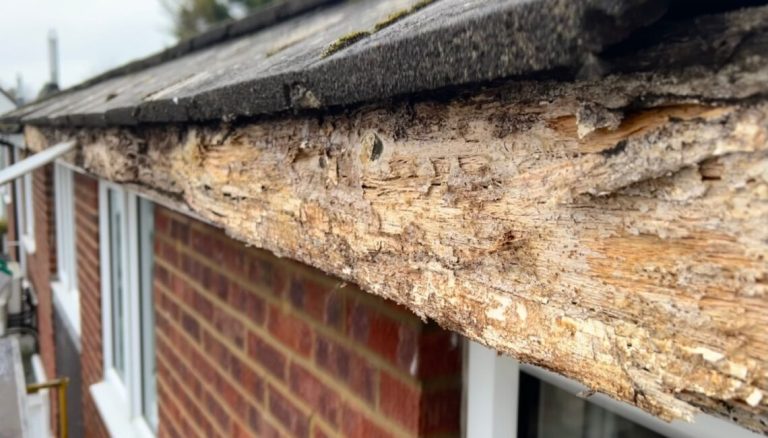

Most homeowners in the Sutherland Shire are not thinking about their gutters until something goes wrong. A ceiling stain appears after a storm. Water pours over the edge of the gutterline during heavy rain. A neighbour mentions they found a bird’s nest the size of a football in theirs. By that point, the gutters have typically needed attention for some time.
The Sutherland Shire has a specific environmental profile that makes gutter maintenance more pressing than in many other parts of Sydney. Knowing what to look for, and when, changes the maintenance conversation from reactive to proactive.
The Sutherland Shire sits at the southern edge of the Sydney metropolitan area and borders the Royal National Park, the largest national park in New South Wales. That proximity to native bushland is one of the defining characteristics of the area and a primary reason why gutters in suburbs like Engadine, Heathcote, Waterfall, Loftus and Bundeena face a debris load that is fundamentally different from what homeowners in more urbanised parts of Sydney experience.
The Shire’s native vegetation is dominated by eucalyptus species, banksias, angophoras, grevilleas and a wide range of proteaceous shrubs and groundcovers. These plants do not shed debris seasonally in the way deciduous introduced species do. They shed continuously and in volume across every month of the year.
Gum leaves are long, narrow and fibrous. They lie flat in gutters and layer efficiently into a dense mat that water cannot pass through. Bark strips from angophoras and smooth-barked eucalypts peel in large sections that can bridge across a gutter opening entirely, acting as a platform that catches additional material on top. Seed pods from banksias and other native species are hard, heavy and slow to decompose.
This continuous and varied debris input means there is no safe period in the Sutherland Shire when gutters can be expected to stay clear without maintenance. Unlike a deciduous-tree suburb where there is a relatively debris-light period from winter through spring, native bushland gutters accumulate material year-round without pause.
Gutter overflow in the Sutherland Shire tends to present in specific ways that are worth recognising before they develop into structural damage.
Water sheeting over the front face of the gutter during rainfall is the most obvious sign. This happens when debris has compacted into a dam that prevents water from reaching the downpipe. The entire roof catchment drains over the gutterline rather than through the downpipe.
Localised overflow at one point during rain often indicates a downpipe blockage rather than general debris accumulation. The gutter fills from the blocked downpipe end and overflows at the lowest accessible point, which may be a joint, an end cap or a low point caused by bracket failure.
Slow-draining gutters that clear gradually after rain rather than quickly are typically showing early-stage blockage. Water is finding a path around partial debris accumulation but is not flowing freely. This is the stage at which cleaning is most cost-effective and least likely to have caused any structural damage.
Standing water visible in gutters after rain has stopped for an hour or more indicates that flow toward the downpipe has been significantly restricted. Standing water adds weight to the gutter and bracket system, accelerates corrosion and creates ideal conditions for mosquito breeding. The NSW Health mosquito management guidance identifies standing water in gutters as a primary breeding site for mosquito species including those capable of transmitting Ross River virus and Barmah Forest virus, both of which are present in bushland-adjacent areas of Sydney including parts of the Sutherland Shire.
The question of when to clean is as important as recognising the signs that cleaning is needed. In the Sutherland Shire, the timing of maintenance needs to account for both the year-round native debris cycle and the specific seasonal events that create peak accumulation periods.
Some indicators suggest that a clean should be booked promptly rather than scheduled for the next convenient window.
These indicators suggest the gutter system is approaching the point where problems will develop if maintenance is deferred much longer.
For most Sutherland Shire properties, the minimum effective maintenance frequency is two professional cleans per year. Properties with direct native canopy overhead, box gutters or a history of overflow benefit from three or more cleans annually.
The most effective timing follows the Shire’s specific risk calendar rather than a generic Sydney schedule.
The Bureau of Meteorology’s rainfall data for the Sutherland Shire area shows peak rainfall months typically falling between February and June, which aligns directly with the periods where a blocked gutter creates the highest risk of overflow and associated damage.
Understanding what professional gutter cleaning costs in the Sutherland Shire, and how to evaluate whether a service is genuinely thorough, helps homeowners make informed decisions rather than defaulting to the lowest available price.
Several factors specific to Shire properties affect the cost of a professional gutter clean.
Roof pitch and height. Many Sutherland Shire homes are built on sloped blocks, which affects both the effective height of the roof and the stability of ladder placement. Steeper pitches and higher effective roof heights require more equipment, more time and greater care, all of which are reflected in pricing.
Debris volume and compaction. Native bushland debris in Sutherland Shire gutters tends to compact more densely than deciduous leaf fall from urban street trees. Compacted gum leaf and bark debris takes longer to remove properly and may require multiple passes to clear completely, particularly where it has been building up for an extended period.
Gutter configuration. Properties with box gutters, valley gutters or concealed parapet drainage require more thorough and time-consuming cleaning than open quad or half-round gutters on a simple roof profile. These configurations are common on older Shire homes and on properties with more complex roof designs.
Access complexity. Narrow side passages, retaining walls, sloped ground and dense vegetation around the perimeter of a property all affect how quickly and safely a professional can access and work around the full gutterline.
As a general guide for professional gutter cleaning in the Sutherland Shire in 2026:
Providers at the lower end of the market typically achieve their pricing by reducing the scope of the service, most commonly by skipping downpipe flushing and providing no condition report or documentation. In the Sutherland Shire’s native debris environment, a service that does not confirm downpipes are clear is not a complete service, because the fine material common in native bushland gutters is the most likely type to accumulate at downpipe inlets.
A professional gutter clean on a Sutherland Shire property that is worth paying for should cover the following elements as standard.
The Australian Standard AS/NZS 3500.3 for stormwater drainage establishes that roof drainage systems should be maintained to prevent blockage and overflow, and that all components of the system including downpipes should be confirmed functional as part of maintenance. A service that addresses only the visible gutter surface does not meet this standard in practice.
Pulling together a practical set of indicators gives Sutherland Shire homeowners a clear reference point for assessing their own gutter condition without needing to get on the roof.
These are the signs that can be identified from a standard ground-level observation.
Rain events are the most useful diagnostic opportunities for gutter condition, and a few minutes of observation during or just after rainfall provides more information than a visual inspection in dry conditions.
Internal signs are typically later-stage indicators, meaning that if they are present, the gutter problem has usually been developing for some time.
Any internal sign warrants prompt investigation. The source may be gutters, but it could also be a roof leak or other building envelope issue, and distinguishing between them requires professional assessment rather than assumption.
Building a simple observational routine into regular life makes it much easier to catch gutter problems early. It does not require getting on the roof or doing anything technically demanding.
For Sutherland Shire homeowners wanting specific local information on gutter cleaning services and what is relevant to the Shire’s bushland environment and property types, GutterGorilla’s Sutherland Shire page provides locally relevant detail.
Full information on what a professional gutter cleaning service should include and how to evaluate providers against the standards that matter is available on GutterGorilla’s gutter cleaning page.
The difference between a Sutherland Shire homeowner who catches gutter problems early and one who deals with them after damage has occurred comes down almost entirely to knowing what to look for and taking those signals seriously.
The Shire’s bushland environment means gutters here face a debris load that does not respect the calendar or the homeowner’s schedule. Native vegetation sheds continuously, storms arrive with intensity and the consequences of a blocked gutter on a property with any slope work faster than on flat suburban blocks.
The signs described above are not difficult to read once you know what they indicate. And in an area where the cost of deferred maintenance can escalate from a few hundred dollars to several thousand in a single wet season, reading them accurately is one of the most practical things a Shire homeowner can do.