The Central Coast sits in a geography that makes it one of the most bushfire-exposed regions in New South Wales. Suburbs from Gosford and Terrigal to Wyong, Woy Woy, and the Lake Macquarie fringe are bordered by dry eucalypt bushland, national parks, and state forest on multiple sides. In an average fire season this exposure creates manageable risk for well-prepared properties. In a significant fire year, it creates conditions where the difference between a home surviving and burning can come down to whether the gutters were clean.
This is not an alarmist framing. It reflects the evidence from post-fire investigations and from the fire behaviour science that underpins the advice fire agencies give to residents in bush interface areas every year. Gutters filled with dry leaf debris are one of the primary ember attack ignition pathways, and on the Central Coast, where native vegetation produces significant debris loads year-round and where fire seasons have become both longer and more intense in recent decades, preparing gutters before fire season is one of the most impactful things a homeowner can do to protect their property.
The Central Coast’s bushfire exposure stems from its specific geography. The region is framed on its western edge by the Blue Mountains escarpment and the Watagan Mountains, on its northern side by the Munmorah State Conservation Area and Dharug National Park, and throughout the residential belt by patches of remnant bushland that connect larger reserves. Many Central Coast suburbs are not just adjacent to bush: they are interspersed through it, with properties backing directly onto national park, state forest, or unmanaged bushland.
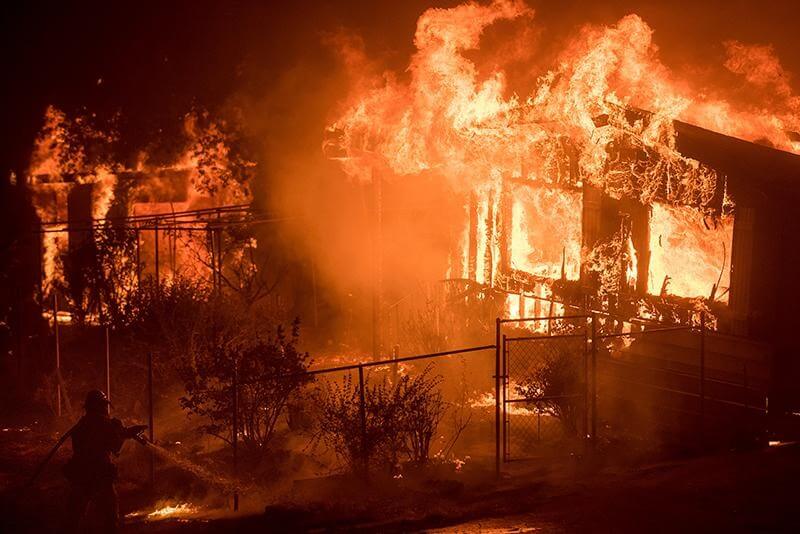
This creates what fire scientists call a high bush-urban interface exposure, where residential structures are within the ember attack range of significant fuel loads during fire events. When fire moves through these landscapes under extreme weather conditions, the ember showers that precede the fire front can reach properties kilometres from the active fire.
The Australian ember attack research that informs both fire agency advice and building standard development has consistently identified clean gutters as one of the most effective single measures available to homeowners for reducing ignition risk from ember attack.
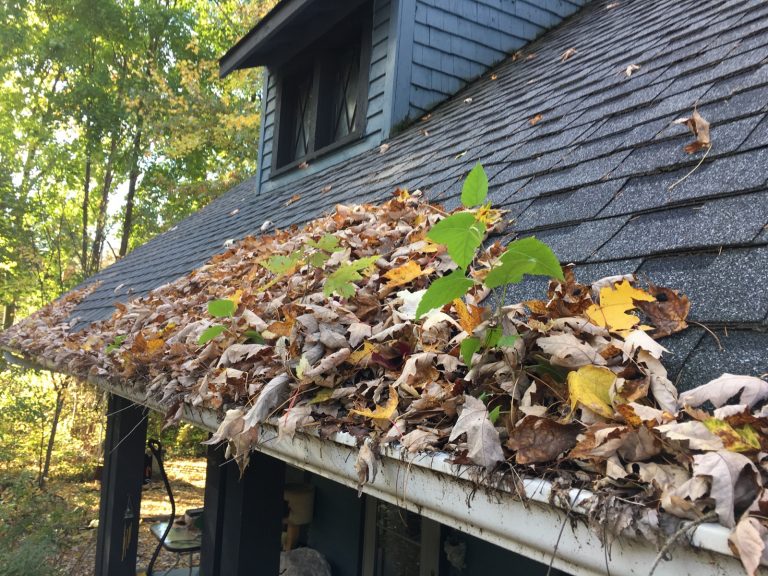
The mechanism is direct. An ember that lands on a hard roof surface and finds no combustible material has no pathway to ignition. An ember that lands in a gutter containing dry leaf and bark debris lands in a fine-fuel bed that has been preheated by summer temperatures, dried by low humidity conditions, and oxygenated by wind moving through the gutter channel. Under these conditions, a single ember can ignite debris in seconds, and that ignition can contact the fascia board, the rafter end, and the eave lining within minutes of the initial ember landing.
On the Central Coast, where eucalyptus species produce bark strips and fine leaf material continuously, gutters accumulate combustible debris faster than in many other regions. The combination of high debris input and the fire exposure specific to this geography makes gutter preparation before fire season more urgent here than in most other parts of NSW.
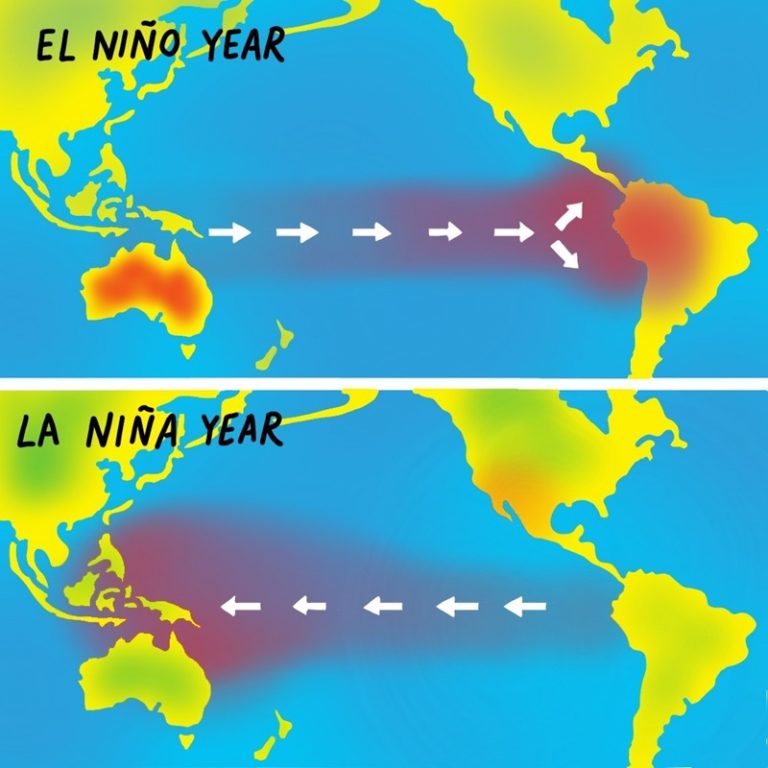
The Central Coast’s fire season typically runs from approximately October through to March, with the highest risk period concentrated in December through February when hot, dry northerly and westerly winds combine with low humidity and accumulated dry vegetation. However, in above-average fire years and in El Niño conditions, extreme fire weather days have been recorded as early as September on the Central Coast.
This means the preparation window is shorter than many homeowners assume. A homeowner who intends to clean their gutters before fire season but schedules this for November may be a month or more behind the actual onset of elevated risk. Completing gutter preparation by the end of August or early September, before spring conditions begin, is the appropriate target for most Central Coast properties in any year, and especially in years where the Bureau of Meteorology indicates above-normal fire weather potential.
The benefits of pre-fire-season gutter preparation extend beyond the immediate fire risk reduction. They encompass the full range of protection that a clean, functional drainage system provides to the building and its occupants.
The most direct benefit is the elimination of the fuel load that makes gutter ember attack ignition possible. A clean gutter that is free of leaf debris, bark material, and organic dust provides no receptive fuel bed for an ember landing. The ember contacts the metal or ceramic gutter surface and extinguishes, rather than igniting a debris bed that can then spread to the building structure.
This protection is not absolute. A clean gutter does not make a home fireproof. There are other ignition pathways including debris accumulation on roof surfaces, under solar panels, in valley areas, and against the building at ground level. But the gutter is the most reliably accessible and most commonly involved ignition point, and clearing it removes the most important single risk.
The Central Coast experience a dual-season challenge that is worth acknowledging. The region receives significant rainfall, including from east coast lows and frontal systems that can bring intense precipitation across the same months when fire risk is elevated in the drier periods between events. Gutters that are clean for fire season are also clean for the first significant rain events of the storm season, which is itself a protection against the water damage that blocked gutters cause during heavy rainfall.
Pre-fire-season gutter preparation is therefore not just a fire safety measure. It is the foundation of a maintenance approach that keeps the drainage system functional through the full range of weather that the Central Coast experiences across its demanding summer season.
Even outside of fire events, accumulated debris in gutters causes ongoing deterioration of fascia boards, rafter ends, and eave linings on Central Coast homes. The high humidity of the region, combined with the organic material that holds moisture against the gutter and fascia surfaces between rain events, creates conditions that accelerate timber decay in these elements.
Central Coast homes that have had debris in gutters for extended periods without cleaning often show fascia and rafter end deterioration that is not visible from the ground but that becomes apparent during inspection. Pre-fire-season cleaning that removes this debris source also removes the moisture retention mechanism that causes this deterioration, with benefits that extend across the full life of the building rather than being confined to fire season.
Beyond the question of whether to prepare gutters before fire season, the more practical question is how to do it effectively and what a complete approach looks like.
A gutter clean carried out specifically as fire season preparation should cover more than the gutter channel surface. The full scope of preparation appropriate for a Central Coast property with bushfire exposure includes:
For Central Coast homeowners who are not certain whether their current gutter state qualifies as fire-ready, the article on five signs your Central Coast gutters need immediate cleaning provides a practical checklist of indicators that cleaning is overdue.
The Central Coast’s native vegetation produces debris continuously. Even a thorough gutter clean in August will result in some debris re-accumulation by the peak of the fire season in January. This is normal and expected, and it is the reason why the pre-fire-season clean is the start of fire season management rather than the conclusion of it.
For most Central Coast properties, the most effective approach involves:
This three-point approach keeps the debris load at a consistently low level through the highest-risk months rather than allowing it to build back to a concerning level following the initial clean.
Many Central Coast homeowners have installed gutter guards with the understanding that they reduce maintenance requirements. For fire season preparation specifically, gutter guards that meet the requirements of Australian Standard AS 3959 Construction of Buildings in Bushfire-Prone Areas provide genuine ember attack protection by preventing ember penetration into the gutter channel itself.
However, not all gutter guard products are rated for this purpose, and guards that are not AS 3959 compliant may provide debris management benefits while offering limited fire protection value. The detailed consideration of guard product selection for Central Coast homes is covered in the article on whether gutter guards are worth it for Central Coast homes.
A key point regardless of guard type: an installed guard does not eliminate the pre-fire-season inspection and cleaning obligation. It changes the nature of what needs to be inspected and potentially cleaned, shifting the focus from the channel interior to the guard surface and the areas adjacent to the guard installation, but it does not remove the need to confirm that the system is fire-ready before the season begins.
Timing is the dimension of gutter fire preparation that most frequently goes wrong. The right action carried out at the wrong time provides significantly less protection than the same action carried out at the right time.
The optimal window for pre-fire-season gutter cleaning on the Central Coast is August to mid-September. This timing reflects several converging factors:
The completion of the main winter debris fall from deciduous trees and the annual bark shed cycle of native species means that the debris load entering the season is at or near its highest point coming out of winter. Cleaning in August captures this peak accumulation before it enters the risk period.
The onset of spring brings warming temperatures and decreasing humidity that begins to dry accumulated debris toward fire-dangerous moisture levels. Material that has been sitting wet through winter becomes increasingly combustible through September and October as conditions warm and dry. Cleaning before this drying process begins ensures the material is removed rather than dried in place.
Spring also brings increased wind activity on the Central Coast, which can carry debris from surrounding vegetation into cleared gutters. A September clean that is slightly later than an August clean therefore carries more risk of re-accumulation before the fire season peak than one carried out earlier.
For homeowners looking for local service options and information on what professional gutter maintenance in the region covers, the Central Coast page provides details on what is available locally and what a professional pre-fire-season service involves.
For homeowners who are considering whether gutter guard installation might be a component of their fire preparation strategy, the gutter guard page provides information on the product categories available and the specification considerations that matter in a bushfire-exposure context.
Wind events on the Central Coast during spring and early summer can deposit large volumes of debris in gutters in a single day. A property whose gutters were clean in August can have a meaningful debris accumulation in the same gutters by October after several significant north-westerly wind events have stripped material from stressed vegetation in adjacent bushland.
The practical response to this is a post-wind-event check rather than complacency following the initial clean. A ground-level visual observation of the gutter line from outside the property after any significant wind event during the fire season takes five minutes and can identify whether an additional partial clean is warranted before the next forecast hot and dry day.
Central Coast homeowners have more control over their fire preparation than the scale of the regional risk sometimes suggests. The gutter is a specific, accessible, completely controllable variable in the fire risk equation. Clearing it before the season that makes it dangerous, and maintaining it through the peak risk months, is one of the most evidence-backed and most consistently effective actions available. The time to act is before the season arrives, not after the first warning is issued.