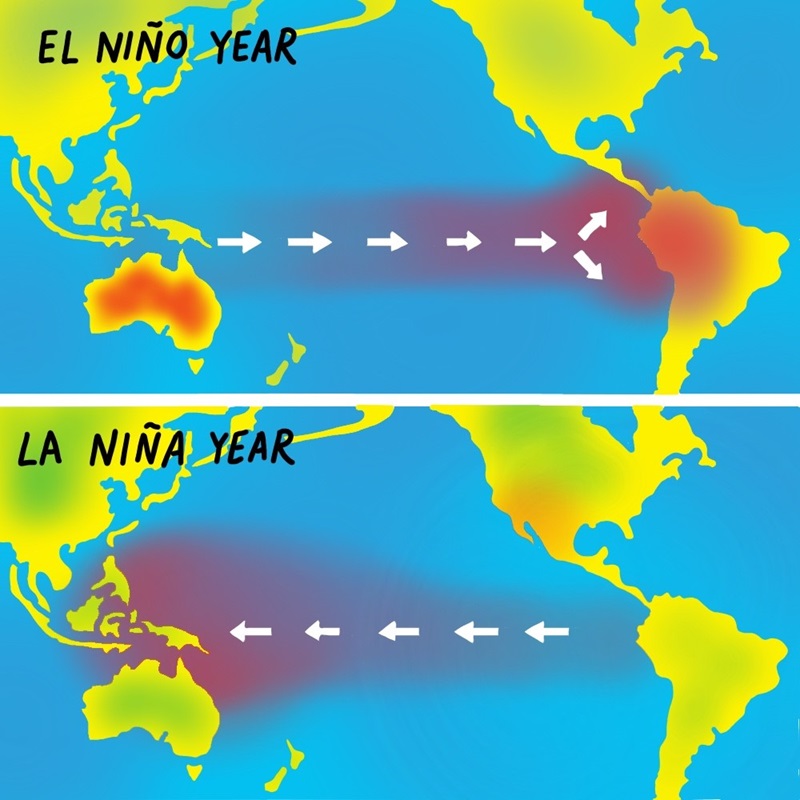
El Niño is not a new phenomenon for Australian homeowners. The climate pattern has been part of the country’s weather cycle for as long as records have been kept, and Central Coast residents in particular have experienced its effects repeatedly across drought years, intense fire seasons, and the unpredictable swings between prolonged dry periods and sudden, intense rainfall events.
What has changed is the context in which El Niño now operates. Baseline temperatures are higher, drought conditions tend to be more pronounced before and after each event, and the transition from dry El Niño conditions to the intense rainfall that follows can be faster and more extreme than historical averages suggested. For homeowners on the Central Coast, this shifting context means that maintenance approaches calibrated to historical seasonal patterns are increasingly inadequate. This article looks at what has changed, what it means for specific home maintenance areas, and how Central Coast homeowners can adjust their approach accordingly.
The Central Coast sits in a geography that makes it particularly responsive to El Niño climate variability. Bordered by dry eucalypt forests and national parks on multiple sides, with coastal exposure to the east and a complex mix of lake and river systems through the middle of the region, the Central Coast experiences the El Niño pattern in ways that differ meaningfully from more sheltered inland locations or the denser urban environment of metropolitan Sydney.
An El Niño year on the Central Coast typically brings a combination of below-average rainfall periods, above-average temperatures, and an elevated risk of prolonged dry stretches punctuated by intense but brief rainfall events. Each of these characteristics has direct implications for building maintenance.
Below-average rainfall during an El Niño period means that vegetation, including the native species that surround Central Coast residential areas, comes under moisture stress. Stressed vegetation sheds more debris than healthy vegetation, and it sheds earlier in the season and more continuously. Gutters on Central Coast properties that might accumulate a manageable level of debris in a normal year can fill significantly faster during El Niño conditions as surrounding eucalypts, banksias, and other natives shed bark and leaf material in response to drought stress.
Above-average temperatures accelerate the drying of any debris that does accumulate in gutters and on roof surfaces, moving it toward critically low moisture content levels faster than in cooler years. The same debris that might remain damp and relatively inert for several weeks in a typical autumn is dry and fire-ready within days during an El Niño summer.
The intense but brief rainfall events that punctuate El Niño dry periods create a specific challenge: gutters that have accumulated dry, compacted debris over a long dry stretch are suddenly tested by heavy rainfall before the debris has been cleared. The result is overflow events during brief but intense rain events, even on properties whose drainage systems performed adequately in previous wet seasons.
The traditional seasonal maintenance schedule for Central Coast homes has typically been built around the standard Australian summer storm season and the autumn-to-winter rain pattern. This calendar assumed a relatively predictable seasonal rhythm: wet summer, some autumn rain, drier winter and spring, then back to wet.
El Niño disrupts this rhythm in ways that make standard timing inadequate. An El Niño year may feature an extended dry period through summer and into autumn that skips much of the usual wet season rainfall, followed by a sudden transition to intense rain events that can occur at any time from late autumn onward. Homeowners who carry out their standard pre-storm-season maintenance in October may find that the storm season has effectively been delayed by El Niño conditions until January or February, by which time debris has had additional months to accumulate in a dry, fire-dangerous state before the first significant rain event tests the drainage system.
El Niño conditions do not just change when maintenance is needed. They change what maintenance issues arise and what repair needs emerge from the specific weather patterns El Niño creates.
One of the most direct El Niño effects on Central Coast home maintenance is the extension of the fire risk season. As covered in the article on why Central Coast homeowners should prepare gutters before fire season, the connection between gutter debris and bushfire ember attack ignition risk is direct and well-documented. In a standard year, the critical pre-fire-season gutter clean needs to be completed by late September to early October. In a significant El Niño year, the fire risk period can start as early as August and extend well into April of the following year.
This extended fire season means that the window within which a single pre-season gutter clean provides adequate protection is substantially shorter than in a standard year. A property that is clean in September but has re-accumulated debris by November is entering the peak fire risk period with a full month or more of unchecked debris accumulation. For Central Coast properties in genuine bush interface zones, this gap represents real and preventable risk.
Extended dry periods under El Niño conditions create building stress that is less obvious than fire risk but equally significant for maintenance planning. Clay soils that dry out over a prolonged period shrink and contract. Where foundations sit on reactive clay soils, common across much of the Central Coast, this contraction can cause differential foundation movement that manifests as cracking in internal plaster, sticking doors and windows, and in more severe cases, visible cracking in masonry or render.
The transition from El Niño dry conditions to subsequent wet weather compounds this. After a prolonged dry period, the first sustained rainfall rapidly rehydrates soil that has been contracting over months. The expansion that follows can be as damaging as the preceding contraction, and the cycle of dry-shrink and wet-swell is more extreme under El Niño conditions than in a year with more consistent moisture.
Homeowners who notice new cracking, sticking doors, or other signs of foundation movement following a prolonged dry period should investigate whether the cracking aligns with the differential movement pattern associated with reactive soil behaviour rather than assuming it is a structural defect. Understanding the cause determines the appropriate response.
When El Niño transitions to neutral conditions or to a La Niña event, the shift can produce intense rainfall across the Central Coast within a relatively short period. This rain falls on soils that have been dry for an extended period and that have reduced capacity to absorb water rapidly. The result is faster surface runoff, higher peak flows through drainage systems, and more concentrated overflow events than the same volume of rainfall would produce in a fully wet season context.
A drainage system that was marginally adequate for pre-El-Niño conditions may be overwhelmed during the intense post-El-Niño rainfall that follows extended dry periods. This is when inadequate downpipe capacity, poorly pitched gutters, and partial blockages that have been manageable through lighter rainfall periods become the source of significant overflow damage.
Adapting home maintenance to El Niño conditions requires adjusting both the timing and the frequency of standard maintenance activities, and in some cases expanding the scope of what is inspected and addressed.
The most important strategic adjustment for El Niño years is moving away from a fixed calendar approach toward a condition-based approach that responds to what the property is actually experiencing rather than what the calendar says should be happening.
In a standard year, scheduling a gutter clean in October and one in April covers the main seasonal maintenance needs for most Central Coast properties. In an El Niño year, the appropriate timing is determined by debris accumulation levels and forecast weather patterns, not by a fixed date. A gutter check in August, rather than October, may be needed if fire weather is arriving early. A mid-season check in December may be warranted if debris has re-accumulated faster than normal following extended dry-period shedding by stressed vegetation.
The highest-risk maintenance periods during El Niño conditions are the transition points: the onset of fire season at the end of the dry period, and the onset of intense rainfall following the extended dry phase. Increasing inspection frequency during these transition periods rather than maintaining a fixed maintenance schedule allows problems to be identified and addressed at the point of highest risk.
A practical approach is to schedule an additional inspection at the point where Bureau of Meteorology forecasts indicate a transition from extended dry conditions to a pattern of significant rainfall potential. This timing inspection can identify whether the drainage system is prepared for the incoming conditions or whether urgent pre-rain maintenance is needed.
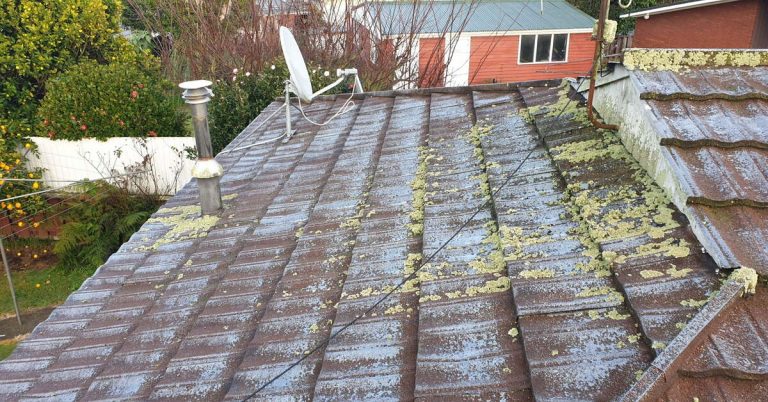
The extended dry conditions of El Niño years dry out roofing sealants and expose any existing flashing deficiencies that may have been partially masked by debris or biological growth. A roof and flashing inspection carried out during the dry period, when conditions for inspection are optimal and when findings can be addressed before the intense post-drought rainfall arrives, is more effective than inspecting after the first significant rainfall has revealed leaks.
For Central Coast properties on reactive soil sites, monitoring the sub-floor environment and any visible structural indicators such as door and window operation, skirting board gaps, and render cracking through the dry period provides early information about the degree of foundation movement occurring. This monitoring helps homeowners distinguish between the normal minor movement that reactive soils produce and more significant differential movement that warrants professional assessment.
El Niño years consistently generate higher-than-average maintenance costs for properties that are maintained responsibly, because more frequent intervention is required to stay ahead of accelerated debris accumulation, fire risk management, and the structural stress effects of extended dry-wet cycles. Planning for this in advance by setting aside additional maintenance budget in declared El Niño years avoids the situation where necessary maintenance is deferred due to budget constraints during the period when it is most needed.
The long-term trajectory of El Niño patterns in the context of changing baseline conditions on the Central Coast has implications for how homeowners think about property maintenance and investment over time.
Properties that are consistently maintained through the demanding conditions that El Niño years create maintain their structural integrity and presentation better than those where maintenance has been allowed to fall behind during challenging seasons. As covered in the article on the powerful link between roof maintenance and property value, documented maintenance history is a genuine component of property value in the Australian market, and properties that have been maintained through El Niño conditions without visible damage accumulation present more confidently to buyers and inspectors.
Properties that have deferred maintenance through one or two El Niño years may show accelerated fascia deterioration, staining from overflow events, and potentially foundation-related cracking that reduces buyer confidence and provides grounds for price negotiation. The cost of maintaining through El Niño conditions is substantially lower than the cost of the value discount that visible maintenance failures produce.
Australian home insurance policies draw a consistent distinction between sudden damage caused by storm events and gradual damage resulting from maintenance failure. During El Niño years, the rapid transition from extended dry conditions to intense rainfall can produce situations where damage occurs during the first significant post-drought storm event on properties where drainage systems were already compromised by debris accumulation during the preceding dry period.
Insurers investigating these claims will consider whether the damage resulted from the storm event itself or from a pre-existing drainage failure that the storm exposed. A gutter that was clean and functional before the storm supports a claim. A gutter that was blocked with months of accumulated dry debris during the preceding El Niño dry period is a more contested position.
For Central Coast homeowners scheduling maintenance to address the specific demands of El Niño conditions, professional gutter cleaning that includes downpipe flushing and a condition assessment of the drainage system provides the clearest picture of whether the system is prepared for the intense rainfall that follows extended dry El Niño periods.
For more articles on Central Coast home maintenance and the specific conditions that affect properties in this region, the Central Coast page provides information on local services and what professional maintenance in this environment involves.
El Niño is changing home maintenance on the Central Coast not by creating fundamentally new problems but by amplifying existing ones and changing when and how quickly they develop. The debris that always needed managing now accumulates faster. The drainage systems that were already tested by summer storms are now tested by intense post-drought rainfall on unprepared systems. The fire risk that was always present in the region is now present earlier in the season and for longer. Adapting maintenance timing, frequency, and approach to these shifted conditions is what protects Central Coast properties through the demanding years that El Niño creates.