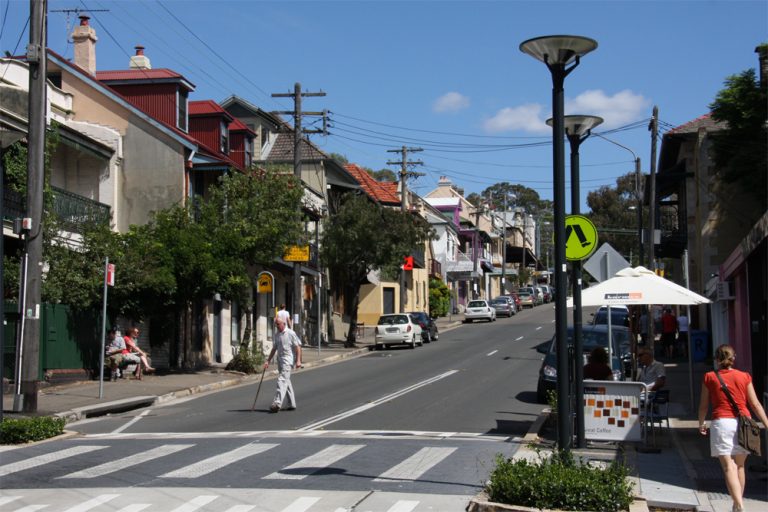
There is something particular about the Inner West that makes gutter problems more common than most homeowners expect when they first move in. The housing stock is older, the streets are lined with mature trees, and the combination of terrace houses, semi-detached homes and Federation-era bungalows creates drainage challenges that newer suburban properties simply do not face in the same way.
Overflowing gutters in Leichhardt, Newtown, Marrickville, Balmain, Annandale and surrounding suburbs are not a random occurrence. There are specific, identifiable reasons why they happen, and most of them come down to the same handful of causes playing out across different property types.
The Inner West is not a single uniform environment. It covers a wide range of streets, block sizes, roof types and vegetation profiles. But across that diversity, a consistent set of conditions drives gutter overflow in the area.
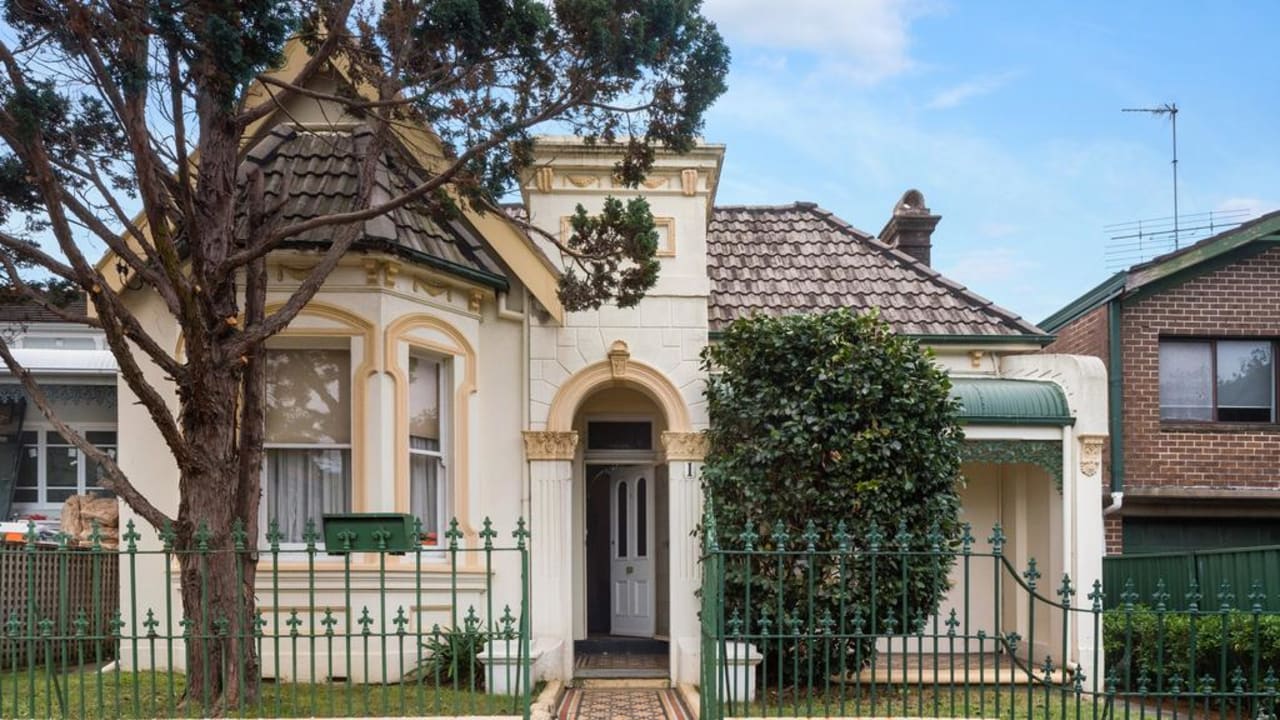
A significant proportion of Inner West homes were built between the 1880s and the 1940s. Gutters on these properties are often original or have been partially replaced over the decades with a patchwork of different materials and profiles. What you end up with in many cases is a drainage system that was designed for a different era, installed in sections over many years, and never assessed as a complete system.
Original cast iron gutters, which are still present on some older Inner West properties, corrode from the inside out and develop rust holes and joint failures that are not always visible from the ground. Replacement sections added in Colorbond or aluminium over the years may not match the original profile or pitch, creating inconsistencies in how water flows toward downpipes.
The result is a gutter system that looks functional from street level but has accumulated decades of small compromises that add up to real drainage problems when it rains.
Terrace houses are the defining building form across much of the Inner West, and they present a specific set of gutter challenges that detached homes do not share to the same degree.
Terraces typically have a single guttered parapet or box gutter arrangement at the rear rather than the open gutters visible on a standard gable roof. These concealed gutter systems are far more susceptible to blockage, less visible during casual inspection and more consequential when they fail, because water has nowhere obvious to overflow to before it starts finding its way into the building fabric.
Box gutters on terraces also tend to have minimal fall toward the downpipe, meaning any debris accumulation quickly creates standing water conditions. On a terrace with a shared party wall and a gutter that runs across the full width of the rear elevation, a single blockage can affect drainage across the entire roof area.
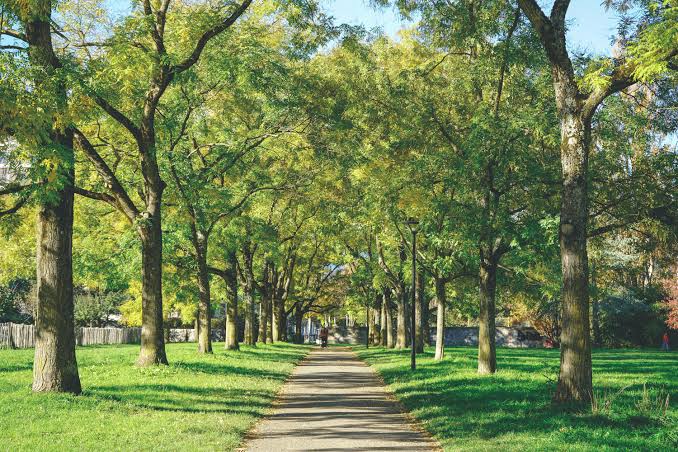
The Inner West’s street tree program has created beautiful canopy across suburbs like Haberfield, Dulwich Hill and Petersham, but those same trees shed debris consistently. Plane trees, which are common throughout the area, drop large seed balls, bark and leaves across an extended season. Fig trees produce small fruit and dense leaf coverage. Jacarandas contribute blossom and leaf debris in spring.
Unlike native bush suburbs where debris is a year-round constant, Inner West properties tend to experience concentrated debris events tied to the seasonal cycles of these introduced species. A week of heavy jacaranda blossom drop or a windy period when plane trees are shedding can push a gutter from clear to blocked in a matter of days.
Beyond the structural and environmental factors, several specific failure points explain why overflow happens when it does in Inner West homes.
Many older Inner West homes have downpipes that were sized for a different era of rainfall expectation. Original cast iron or early PVC downpipes on Federation and interwar homes are often narrower than current standards recommend for the roof area they are draining.
When Sydney experiences the kind of intense short-duration storms that have become more common in recent summers, these undersized downpipes simply cannot move water fast enough to keep up with what the roof is shedding. Even a perfectly clear gutter can overflow under these conditions if the downpipes are too narrow or have partial blockages restricting their already limited capacity.
Downpipe condition is also a factor. Joints on older downpipes separate over time. Root intrusion from street trees can partially crush or block downpipes running below ground level. Debris that washes in from the roof collects at bends and transitions, building into partial blockages that restrict flow without ever completely stopping it.
For water to drain properly, gutters need to be angled toward the downpipe at a consistent fall. On older Inner West properties, bracket failure, timber rot in the fascia board and the weight of accumulated debris over decades can cause sections of gutter to sag or pull away from their intended alignment.
A gutter that has lost its pitch does not drain. Water sits in low points, debris accumulates in those same low points and the effective capacity of the gutter is reduced. During heavy rain, these flat or reverse-pitched sections fill first and overflow before the rest of the gutter is anywhere near capacity.
This is a particularly common finding on two-storey terraces and semis where rear gutters are difficult to access and are often left uninspected for long periods.
Gutter overflow does not always look like a waterfall over the edge. On Inner West homes it more often presents as:
Any of these signs on an Inner West property is worth investigating rather than dismissing as a normal part of living in an older home.
Solving gutter overflow in Inner West homes is rarely a single-step fix. The age and complexity of the housing stock means a thorough approach is usually needed to identify and address everything contributing to the problem.
Before reaching for a hose or booking a clean, it is worth understanding what you are actually dealing with. A visual inspection from the ground can identify obvious sagging, separation at joints and visible debris accumulation, but it cannot tell you about downpipe condition, gutter pitch, hidden box gutter blockages or the state of concealed drainage systems.
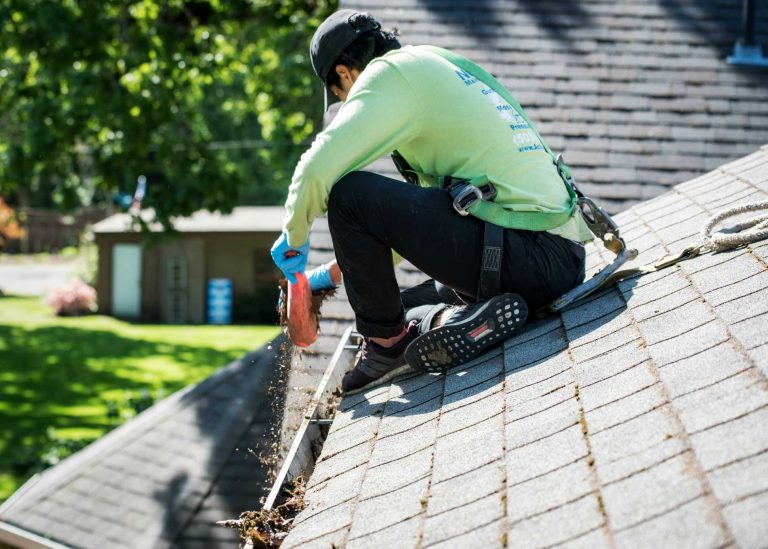
A proper inspection involves getting up to gutter level and assessing the full system, which is why professional services that include a condition report alongside the clean add genuine value on older Inner West properties. Knowing what is there helps you prioritise what needs to be fixed versus what just needs to be maintained.
A gutter clean on an Inner West property should follow a logical sequence to actually solve the problem rather than just move debris around.
Cleaning solves blockages but does not fix underlying structural problems. On Inner West properties the most common structural issues that contribute to overflow are:
These issues need repair work rather than just cleaning. Identifying them during a clean and addressing them before the next wet season is the most cost-effective approach.
On some older Inner West properties, the honest answer is that the existing gutter system has reached the end of its useful life and piecemeal repairs are no longer the right approach. Signs that replacement may be worth considering include:
Replacement is a bigger investment but provides an opportunity to install a system that is correctly sized, properly pitched and made from materials suited to the property’s specific environment.
Once blockages have been cleared and any structural issues addressed, keeping Inner West gutters functional comes down to a consistent and appropriately timed maintenance approach.
For most Inner West properties, two professional cleans per year is the baseline. The specific timing matters more here than in some other areas because the debris profile is tied to seasonal tree cycles rather than continuous native vegetation shedding.
A clean in late autumn, around May, captures the bulk of the plane tree and deciduous species leaf fall after the main shedding period is complete. A second clean in early spring, around September, addresses the blossom and organic material from the spring growth burst before it has a chance to compact and form the base layer for the next autumn’s debris.
Properties with box gutters, heavy overhanging trees or a documented history of blockage issues benefit from a third inspection mid-summer, particularly before the storm season proper gets underway.
Inner West homes represent a significant investment, and the older the property, the more consequential deferred maintenance tends to be. Water ingress from overflowing gutters does not stay in the gutter. It finds its way into fascia boards, wall cavities, under-floor spaces and eventually into plaster and internal finishes.
The repair cost for water damage that has been allowed to develop over several wet seasons consistently exceeds the cost of the gutter maintenance that would have prevented it by a considerable margin.
For Inner West homeowners wanting to understand the full scope of what professional gutter maintenance involves and how it applies to their specific property type, GutterGorilla’s Inner West service page covers the local detail worth knowing before booking a service.
Homeowners across Sydney looking for a broader picture of professional gutter maintenance options and what a proper service should include can find that information on the GutterGorilla homepage.
The Inner West is full of beautiful, characterful homes that deserve to be looked after properly. Gutters are not the most glamorous part of that maintenance picture, but they are one of the most consequential. A gutter system that works protects everything below it. One that does not tends to make its presence felt in ways that are expensive and disruptive to fix.
Understanding why overflow happens in this particular part of Sydney, and what it takes to prevent it, puts homeowners in a much better position to stay ahead of problems rather than reacting to them after the damage is already done.