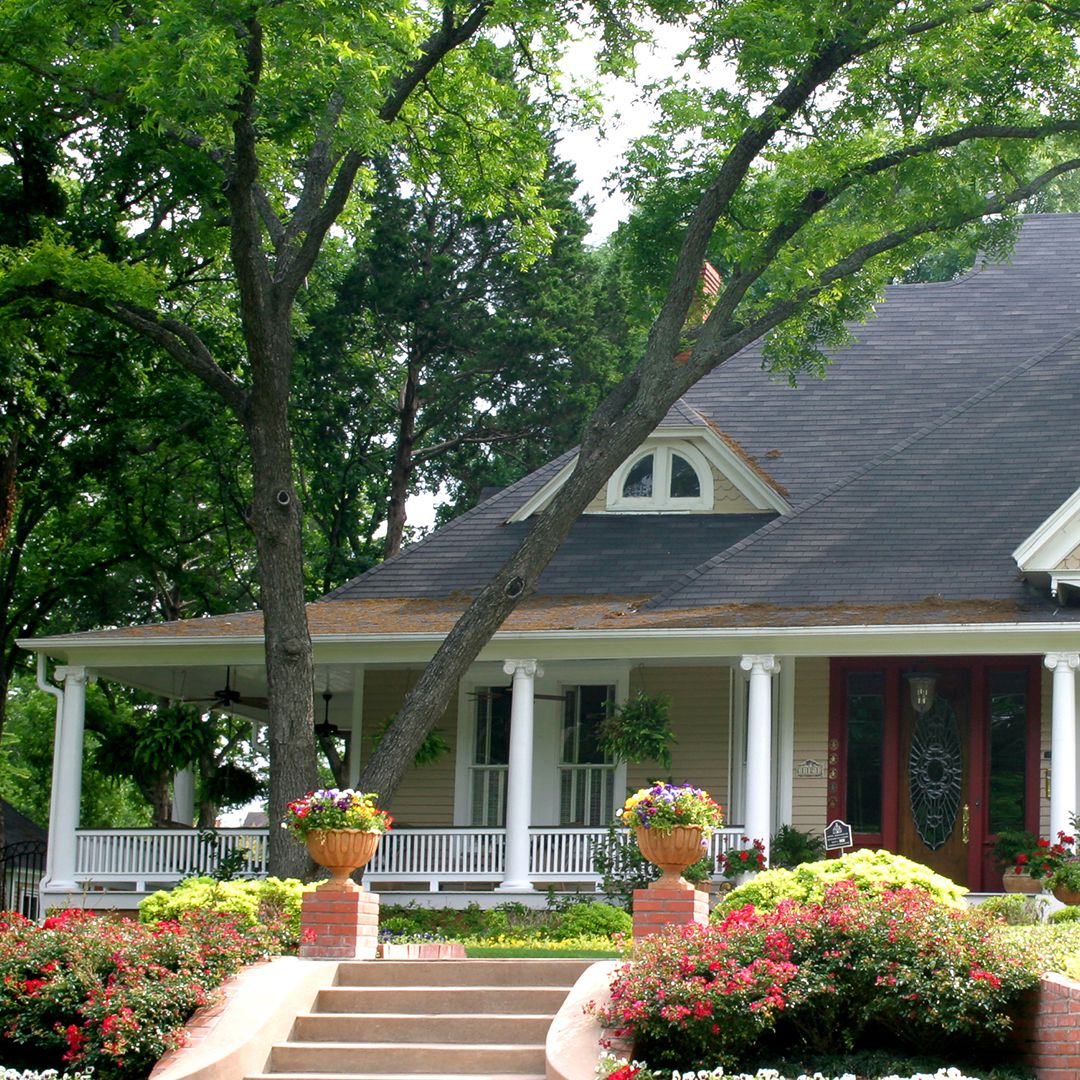
Large trees are one of the most appealing features a residential property can have. They provide shade, reduce ambient temperatures, support local wildlife, improve air quality, and give a home a sense of established character that no landscaping shortcut can replicate. Most homeowners with mature trees on or adjacent to their property value them highly and would not willingly remove them.
But trees near homes also come with a set of costs that are rarely discussed upfront and that accumulate quietly over years. These costs include damage to drainage systems, foundations, paving, and fencing, as well as insurance implications, council obligations, and the maintenance burden that proximity to a large tree places on every part of a building’s exterior. Understanding these costs does not mean removing trees. It means managing the relationship between the tree and the home with realistic awareness of what that relationship involves.
The financial impact of large trees on residential properties operates through several distinct channels. Some costs are predictable and regular. Others emerge unexpectedly and at significant scale. Most are not fully anticipated at the time a home is purchased or when a tree is planted decades earlier.
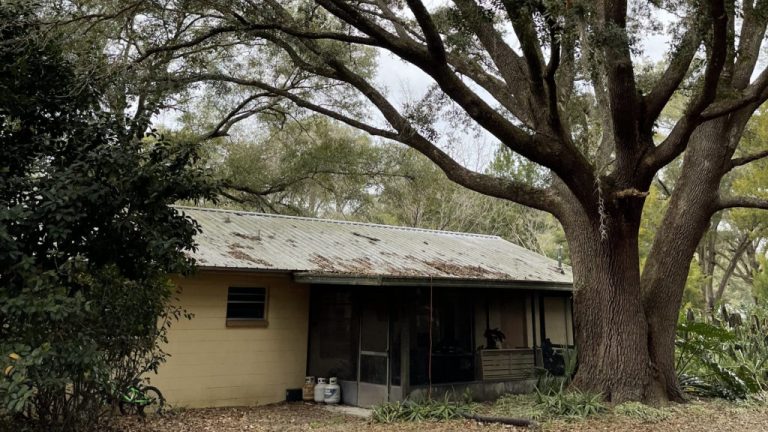
The most consistent and ongoing cost of having large trees near a home is the maintenance burden they place on the roof drainage system. Large trees shed leaves, bark, seed pods, twigs, and fine organic material continuously throughout the year, and much of this material lands on the roof and migrates into gutters.
A home with a large eucalyptus, camphor laurel, jacaranda, or native fig in the adjacent garden or overhanging the roofline can experience gutter blockages within weeks of a professional clean during periods of active shedding. The volume of organic material a large mature tree deposits onto a roof in a single windy day can fill a significant portion of the gutter channel in that section of the run.
The cost of managing this is ongoing and unavoidable for as long as the tree remains in its current position. Where twice-yearly gutter cleaning might be adequate for an open, unshaded property, a home with large overhanging trees may need three or four cleans per year to keep drainage systems functioning correctly during the storm events that test them most severely.
As the article on why roof debris causes more damage than most people expect covers in detail, the damage pathway from accumulated roof debris to blocked gutters, overflow, fascia deterioration, and internal water entry is well-established and directly proportional to how much organic material the surrounding vegetation deposits on the roof.
Home and contents insurance policies in Australia generally cover sudden and unexpected damage but are more complicated when it comes to damage that results from a tree on the insured’s own property. The specific terms vary between insurers, but several consistent patterns emerge:
The insurance implications of large trees are not often discussed in property transactions, but they represent a genuine financial consideration, particularly for properties with trees that are ageing, showing signs of structural weakness, or in positions where failure would affect both the insured property and adjacent buildings.
Beyond the drainage and insurance dimensions, large trees in close proximity to homes create several categories of physical risk that affect structural elements, utility services, and the long-term condition of the building.
The most visible and most frequently discussed risk of large trees near homes is branch impact. A large eucalyptus or native fig branch that falls during a storm event can damage roof tiles, puncture metal sheeting, crush gutters, and in severe cases, penetrate the roof structure itself. The energy of impact from a large branch falling from height is sufficient to cause structural damage that far exceeds the cost of the branch removal that would have prevented it.
This risk is not confined to catastrophic storm events. Branches that appear sound can fail unexpectedly during dry periods due to a phenomenon sometimes called summer branch drop, where large, heavy branches on otherwise healthy trees detach with little warning due to internal moisture stress. Eucalyptus species are particularly known for this behaviour and are common in Australian residential gardens.
Regular assessment of the canopy above and adjacent to the roofline, and removal of branches that are visibly dead, structurally compromised, or in direct contact with roof surfaces, is the most direct risk management approach available. This is tree management work, not tree removal, and it can significantly reduce risk without eliminating the tree itself.
Tree roots follow moisture and oxygen. The space adjacent to a building foundation, particularly where plumbing services run and where soil moisture is influenced by drainage from the roof system, can be highly attractive to tree root growth. Roots from large trees can extend to distances significantly beyond the drip line of the canopy, and the largest roots extend much further than most homeowners appreciate.
Consequences of root encroachment include:
The financial cost of root-related damage, particularly to underground services, can be substantial. Stormwater pipe relining or replacement, sewer root clearing and pipe repair, and paving reinstatement are all cost categories that homeowners with large trees may encounter repeatedly over time.
Large trees with dense canopies that overhang a home create shaded zones on external walls that receive less sunlight and dry out more slowly after rain. Persistent surface moisture on external walls and in sub-floor spaces increases the risk of biological growth, surface deterioration, and timber decay in sub-floor framing.
In homes with sub-floor ventilation that depends on airflow under the building perimeter, dense root mats or ground-level root barriers from adjacent trees can reduce ventilation effectiveness, trapping moisture in spaces that need to dry freely.
Tree root damage to foundations and services is one of the more financially significant risks associated with large trees near homes. It is also one of the least straightforward to attribute and resolve.
Root damage to building foundations rarely happens suddenly. It is a gradual process that begins with roots growing into soil zones adjacent to the foundation, altering moisture profiles and in some cases physically contacting or growing under foundation elements. In reactive clay soils, the water extraction by tree roots during dry periods can cause localised soil shrinkage that mirrors the effect of gutter overflow saturation in the wet season, producing differential foundation movement over an annual cycle.
This pattern of alternating wet-season saturation from gutter overflow and dry-season extraction from tree root activity is particularly common and particularly damaging for homes in subtropical and temperate Australian regions with both heavy tree cover and clay-dominant soils. The foundation cycles between expansion and contraction driven by external moisture forces from both directions.
Insurance claims for tree root damage to foundations and services are among the more contested categories of residential claims in Australia. The key distinction most policies draw is between sudden physical damage and gradual deterioration. Tree roots that suddenly fracture a pipe during a storm event may be claimable under a building policy’s sudden damage provisions. Roots that have been slowly infiltrating a sewer line for five years and have progressively blocked it represent gradual deterioration and are typically not covered.
The practical implication for homeowners is that waiting until tree root damage has progressed to a crisis point before engaging with it is financially risky. Early identification of root encroachment, through regular drain inspections using CCTV equipment in properties with mature trees near service lines, allows problems to be addressed before they become both serious and unclaimable.
Managing tree root impact proactively has costs: root barrier installation, periodic drain inspection, directed root pruning where roots are approaching services. These costs are real but they are predictable, schedulable, and modest compared to the reactive repair costs they can prevent.
Reactive repair of a root-fractured stormwater pipe, including excavation, pipe replacement, reinstatement of paving, and any consequential water damage remediation, represents a cost in the thousands to tens of thousands of dollars depending on depth and access. For properties where the tree is retained, this repair may need to be repeated within years unless root management is addressed as part of the solution.
Despite the costs described above, the case for retaining mature trees near residential properties is strong when the risks are properly managed. A balanced assessment is more useful than a one-sided argument in either direction.
Mature trees provide benefits that are genuinely difficult to replicate and that have measurable financial value. Properties with mature tree canopies consistently command higher sale prices than comparable treeless properties in the same market, and the shade that large trees provide can reduce summer air conditioning costs by a meaningful amount. In Australian conditions, where summer heat is extreme and electricity costs are high, a well-positioned tree that shades north and west-facing walls and windows is a genuine energy asset.
Beyond the financial, trees provide habitat, contribute to neighbourhood character, support local bird and insect populations, and provide the kind of liveable outdoor environment that dense suburban development otherwise lacks. These values are real and should not be dismissed in a cost analysis that focuses only on maintenance burden.
The appropriate response to the costs and risks of large trees near a home is not removal in most cases. It is active management that reduces the specific risk pathways while retaining the tree. This includes:
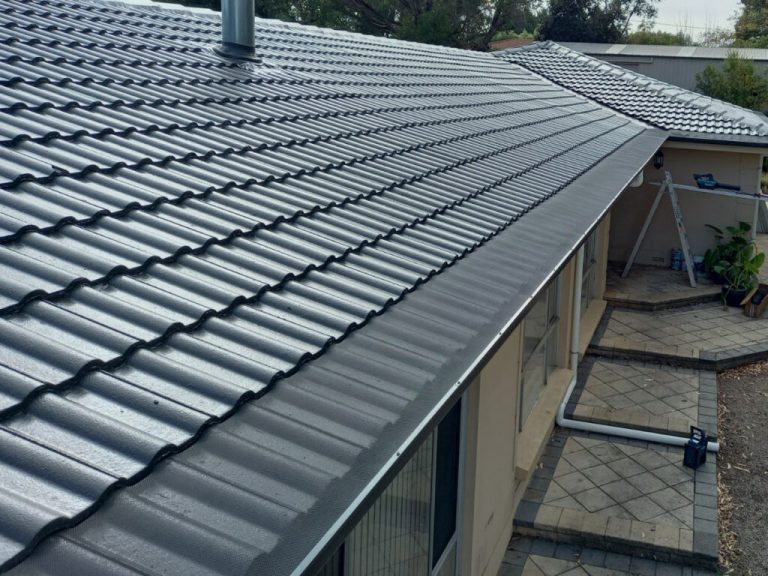
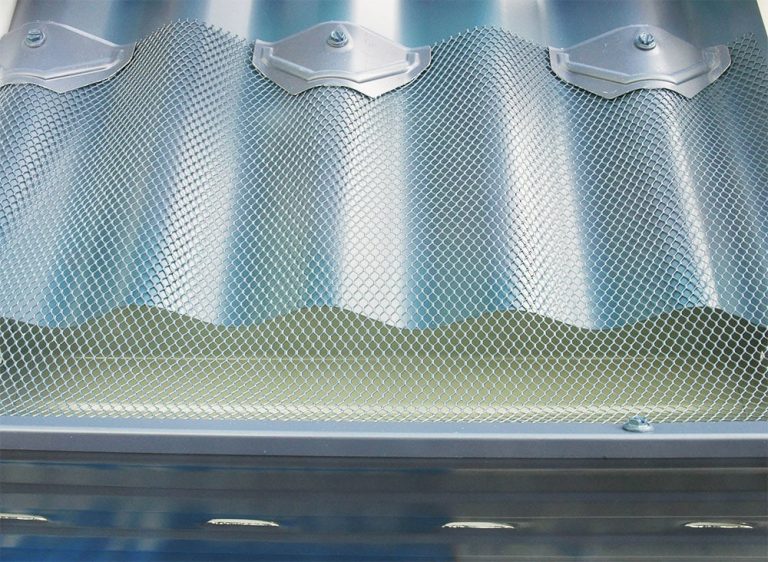
For homeowners considering whether gutter guards might reduce the maintenance burden from adjacent trees, the gutter guard page provides information on what different product types can realistically achieve for different debris profiles, which varies considerably depending on the species of tree involved.
For more articles on gutter maintenance, roof debris, drainage systems, and related topics for Australian homeowners, the Gutter Gorilla blog provides practical guidance across different property types, climates, and tree coverage scenarios.
Large trees near homes represent a genuine cost-benefit equation rather than a simple maintenance problem or a simple asset. The costs are real, recurring, and in some cases significant. The benefits are also real and in many cases irreplaceable. The homeowners who navigate this most successfully are those who understand both sides of the equation clearly, manage the risks proactively, and build the maintenance frequency and scope that tree proximity actually requires into their ongoing property management rather than discovering it reactively when something fails.