

Most homeowners in Sydney’s eastern suburbs think about gutters twice: once when they notice water pouring over the edge during a storm, and once when the resulting damage turns up on an invoice. That reactive cycle is frustrating and avoidable.
The better approach is to understand when gutters actually need attention throughout the year and build a simple maintenance rhythm around that. For homes in the eastern suburbs, the timing matters more than many people realise, and getting it right is not complicated once you understand what is happening to your roof and gutters across the seasons.
This guide walks through how Sydney’s climate and local environment affect gutter maintenance timing, when to schedule a clean, and how to tell when your gutters need attention regardless of the calendar.
Sydney does not have a dramatic seasonal shift the way some other Australian cities do. There is no single autumn leaf fall that signals “time to clean gutters” the way you might experience in Melbourne or inland towns with deciduous street trees.
Instead, the eastern suburbs receive rainfall reasonably consistently throughout the year. According to the Bureau of Meteorology, Sydney’s eastern coastal areas average around 1,200mm of annual rainfall, with the highest monthly totals generally occurring between February and June. That means gutters are working year-round and can block at any point, not just during a predictable wet season window.
The other factor specific to the eastern suburbs is the coastal environment. Salt-laden air accelerates corrosion on metal guttering, and fine windblown material including sand, organic particles, and general coastal debris settles in gutters and contributes to silt buildup. This is less visible than leaf debris but can be just as problematic over time.
Cleaning gutters at the right point in the year means they are clear when rainfall is heaviest and when the risk of overflow and water damage is highest.
A gutter that is cleaned in the middle of winter, well away from the wet season, will almost certainly fill again before the next heavy rain event. Conversely, a gutter cleaned just before a sustained period of wet weather is in the best possible position to handle what comes.
The goal is not to clean gutters as often as possible. It is to clean them at the right time so the cleaning is still relevant when it counts. For most eastern suburbs homes, that means aligning at least one annual clean with the period just before Sydney’s peak rainfall months.
For most properties in this part of Sydney, two cleans per year provides a sensible baseline. Here is when those cleans are most useful and why.
The first ideal window falls in late autumn, roughly April through to the end of May.
By this point, any deciduous street or garden trees have dropped most of their leaves. Native trees have also shed bark and seed pods accumulated over the warmer months. The gutter channel is likely carrying a solid load of organic material from spring and summer growth.
Getting a clean done during this window means you are heading into the higher-rainfall months of autumn and early winter with clear gutters and flowing downpipes.
April and May also tend to have milder weather, making it a practical time for tradespeople to work on roofs and for homeowners who prefer to do their own maintenance.
The second ideal window is late spring, around October and November.
This timing catches any material that has accumulated over winter and positions your gutters well before the summer storm season. Sydney’s eastern suburbs experience afternoon thunderstorms and intense short-duration rainfall events in summer, and these can dump a large volume of water in a very short time. A blocked gutter has no chance of keeping up with that kind of flow.
A late spring clean also gives you a chance to inspect the gutter system after winter, when low sun angles and temperature fluctuations can expose rust, joint failures, and bracket issues that may have developed over the colder months.
Twice a year is a reasonable starting point for most homes, but the honest answer is that it depends on the specific property.
Several factors influence how quickly gutters fill and how frequently they need attention:
If you are not sure how often your specific property needs attention, observing how the gutters perform during moderate rain is a useful guide. Any overflow from a gutter that is not being hit by a genuine downpour suggests the system is already working harder than it should be.
Regardless of where you are in the year, these signs indicate your gutters need attention sooner rather than later.
If you want a simple framework to follow across the year, this overview covers the key actions for each season.
Summer in the eastern suburbs brings heat, wind, and afternoon storm activity. This is not the ideal time to schedule a routine gutter clean, but it is the time to be observant.
This is one of the two main cleaning windows. Schedule your clean for April or early May.
Winter is a lower-maintenance period for gutters in the eastern suburbs. Rainfall continues but the debris load tends to slow.
The second main cleaning window. Aim for October before summer storm season begins.
Gutter guard products are often considered by homeowners who want to reduce how frequently their gutters need cleaning. These products cover the gutter opening with mesh or a perforated cover that allows water in while keeping larger debris out.
They are worth knowing about, but a few things are worth understanding before installing them.
Gutter guards do not eliminate the need for gutter maintenance. Fine debris, including seed pods, flower material, and silt, can still pass through or accumulate on top of mesh over time. They slow the rate of buildup rather than stopping it entirely.
That said, in high-debris environments like homes near parks or with heavy tree coverage, a quality gutter guard product can meaningfully extend the time between cleans and reduce the severity of blockages when they do occur.
Choice Australia has published comparisons of gutter guard products that are worth reviewing if you are considering this option. Installation is generally a job for a professional, particularly on older homes where the gutter profile may not suit standard guard sizes.
Some homeowners in the eastern suburbs prefer to clean their own gutters, particularly on single-storey properties. If you are considering this approach, a few practical points are worth keeping in mind.
Ladder safety is non-negotiable. Safe Work Australia consistently identifies falls from ladders as one of the most common causes of serious injury among non-professional workers. Use a ladder that is rated for your weight, positioned on stable ground, and secured where possible. Never rest a ladder against the gutter itself.
Work from a stable position. Overreaching from a ladder is how people fall. Move the ladder frequently rather than stretching to cover more ground from one position.
Clear debris into bags, not onto the ground. Tipping debris off the roof contaminates garden beds and can block stormwater drainage around the property.
Always flush the downpipes. A gutter that looks clear can still have a blocked downpipe. Run a hose through from the top and confirm that water is flowing freely before finishing.
For homes that are two storeys, have tile roofs that cannot safely be walked on, or have older gutters in fragile condition, professional cleaning is the safer and more practical choice.
A large proportion of homes in suburbs like Paddington, Woollahra, Surry Hills, and Randwick were built in the late 1800s and early 1900s. These Federation-era and Victorian terrace properties often have original or early-replacement galvanised guttering that behaves differently from modern colorbond or aluminium systems.
Galvanised gutters are susceptible to rust, particularly at joins and low points where water sits. Debris accumulation accelerates this process because organic material holds moisture against the metal surface. An older home that has not had its gutters properly maintained may have sections that are rusting through from the inside, which is not visible until a proper inspection is done.
If your home is in this category, a thorough inspection as part of the first professional clean is worthwhile. Knowing the actual condition of your gutter system helps you make informed decisions about whether repairs or partial replacement are needed, rather than discovering a serious problem during a storm.
The team at GutterGorilla works across the eastern suburbs and is familiar with the older housing stock common to the area.
Getting gutter cleaning timing right in Sydney’s eastern suburbs comes down to understanding a few simple things: when rainfall is heaviest, how quickly your specific property accumulates debris, and what signs indicate a clean is overdue.
For most homes, a clean in April or May and another in October or November provides solid protection across the year. Properties with heavier debris loads may need more frequent attention, and older homes with galvanised gutters deserve a closer inspection to understand what condition they are actually in.
Gutters are easy to ignore until something goes wrong. A consistent and reasonably timed maintenance schedule is one of the lower-effort ways to protect a property that, in the eastern suburbs, represents a significant investment.
If you want to understand more about what your property specifically needs, GutterGorilla covers the eastern suburbs and can give you a straightforward assessment of what is going on with your gutters and when they need attention.

We thoroughly remove all leaves, dirt, and debris from your gutters and valleys to ensure water flows freely…..

We supply and install high-quality gutter guards designed to keep leaves, twigs, and debris out of your gutters year-round….
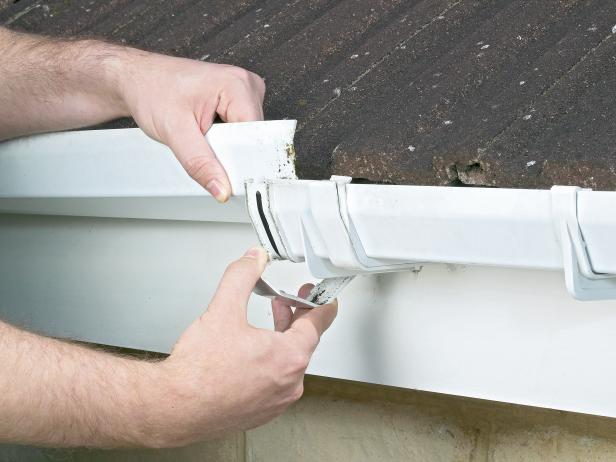
We fix leaks, sagging sections, holes, rust spots, and other gutter damage to restore full functionality…..
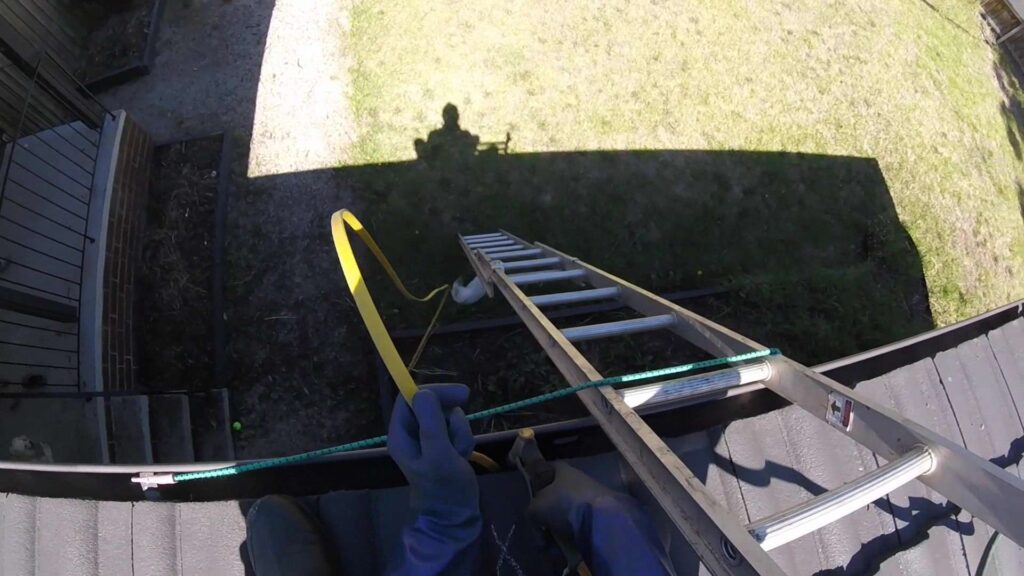
We use high-pressure water flushing to clear out any blockages inside your downpipes. This ensures rainwater flows away…..
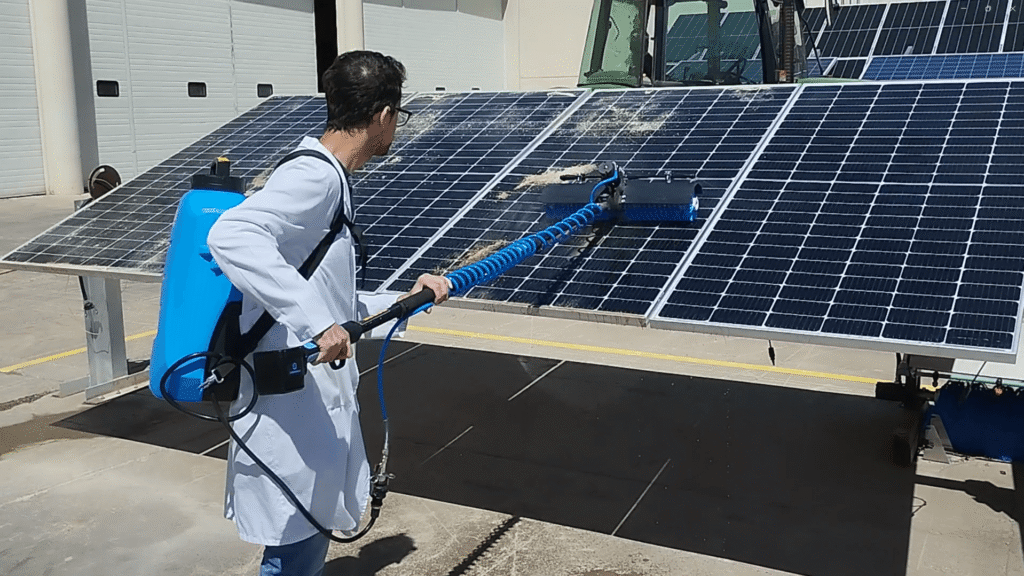
We clean dirt, dust, bird droppings, and grime from your solar panels using soft brushes and purified water to avoid scratching the glass.

We install discreet, non-invasive mesh barriers around the edges of your solar panels to prevent birds and pests…..
We deliver reliable, affordable, and high-quality gutter solutions with expert care, ensuring long-lasting protection and complete customer satisfaction.
We proudly serve our community with personalized, reliable service.
Your home is in safe hands with our professional, and insured team.
We use durable products that ensure long-lasting performance.
We stand behind our work until you’re fully satisfied.
Quick response times with pricing that fits your budget.
Don’t wait until it’s too late. Clogged or damaged gutters can cause serious problems like water damage, leaks, and foundation issues. Let Gutter Gorilla handle it for you.
Blocked gutters can cause water overflow, roof leaks, foundation damage, and even bushfires, regular gutter cleaning can prevent such issues.
We recommend gutter cleaning at least twice a year — once in spring and once in autumn — to prevent clogs and damage.
Yes! GutterGorilla provides free, no-obligation quotes so you know the cost before we begin any work.
We do both! Our team offers gutter cleaning, repair, and new installation services depending on your home’s needs.
Most gutter cleanings or repairs are completed within a few hours, depending on the size and condition of your home.
Yes! We install gutter guards to reduce maintenance and keep your gutters flowing smoothly year-round.