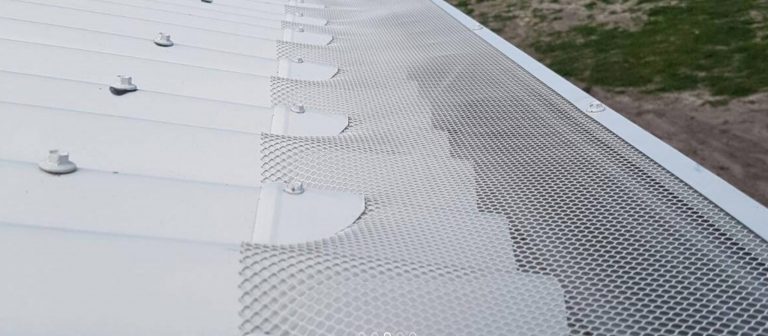
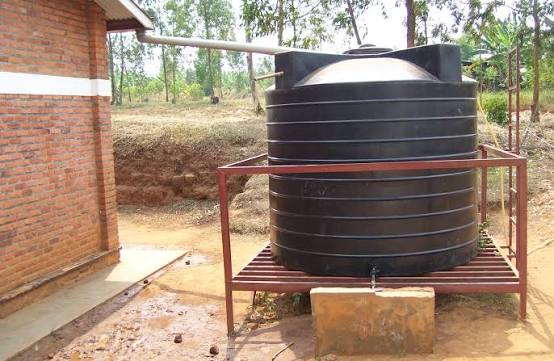
Australia has one of the highest rates of rainwater tank ownership in the developed world. Driven by water security concerns, environmental awareness, and the practical appeal of reducing mains water dependence and costs, rainwater harvesting has become a standard feature of new residential construction in many states and a popular retrofit for existing homes across all climate zones.
What is less consistently understood is how directly the condition of the gutter system determines the quality and quantity of water that a rainwater tank actually receives. The tank, the pump, the filtration system, and the first-flush diverter all receive significant attention during design and installation. The gutters, which are the primary pathway that rainwater takes before any of those downstream components can do their job, are often maintained to a lower standard than the system they serve requires.
This article explains how clean gutters contribute to better rainwater harvesting system performance, what happens to water quality and quantity when gutters are not maintained adequately, and what a practical maintenance approach looks like for properties with rainwater collection.
A rainwater harvesting system is only as effective as its collection pathway, and the gutter and downpipe system is that pathway. Before water enters the first-flush diverter, before it passes through any screen or filter, and before it reaches the tank, it has traversed whatever condition the gutters are in.
Gutters that are partially blocked reduce the rate at which water can flow from the roof surface to the downpipe. During a rain event of moderate to heavy intensity, a partially blocked gutter fills faster than it drains, reaches capacity, and overflows. The water that overflows the outer edge of the gutter is water that has not entered the collection pathway to the tank. For a property specifically designed or retrofitted to harvest rainwater, this overflow represents a direct reduction in the volume of water collected per rainfall event.
This matters most during the kind of brief but intense rain events that characterise Australian summer storms. A twenty-minute downpour that delivers thirty millimetres across a two hundred square metre roof would theoretically produce approximately six thousand litres of potential harvest. If gutters are partially blocked and overflow during the peak of the event, a significant fraction of that potential harvest is lost to overflow rather than entering the tank.
For properties in areas with variable rainfall, where maximising the capture from each event is important for maintaining tank levels through dry periods, the collection efficiency of the gutter system is not a marginal concern. It is directly related to how much water is available during the dry periods the tank is meant to buffer.
The quality of water reaching the rainwater tank is determined in large part by what the water contacts before it arrives. A roof surface, particularly a tiled or Colorbond metal roof, introduces relatively little contamination into the water beyond what falls with the rain itself. The gutter, however, is a different matter.
Gutters accumulate organic material between cleaning events: leaf litter, bark particles, bird and possum droppings, insect activity, and the biological growth that develops in persistently damp organic debris. When rain falls on this material, the water dissolving and carrying these contaminants into the downpipe and from there into the first-flush diverter and ultimately the tank.
The first-flush diverter is specifically designed to intercept the most contaminated initial flow of water from each rain event, discarding it before allowing subsequent, cleaner water to enter the tank. But the volume of contamination a first-flush diverter can manage is limited, and heavily loaded first-flush events in gutters carrying significant organic debris can exceed the diverter’s effective capacity. When this occurs, contaminated water from beyond the first-flush volume enters the tank.
Understanding the specific ways that gutter condition affects rainwater system performance helps property owners identify where maintenance investment delivers the highest return for their specific system configuration.
The volume of rainwater that a system can capture from any given rainfall event depends on the roof catchment area, the rainfall intensity, and the proportion of runoff that successfully enters the collection pathway rather than being lost to overflow or surface losses.
A property that achieves professional gutter cleaning three times per year, at five hundred dollars per clean, is spending fifteen hundred dollars annually to ensure its drainage system remains clear and functional through every season. For a property with a rainwater collection system, this maintenance cost is particularly well-justified because the alternative, gutters that partially block between less frequent cleans, directly reduces the volume of water harvested from each rain event throughout the year.
If that property’s tank captures an average of forty to fifty percent more usable rainwater per event during the periods when gutters are freshly cleaned compared to periods when debris has accumulated to a partial blockage level, the value of the additional water captured, measured against mains water rates, and the value of maintaining adequate tank levels through dry periods, represents a tangible return on the maintenance investment.
The scenario also illustrates a broader point: for homes with rainwater systems, the gutter cleaning cost is not purely a building maintenance expense. It is also a water production cost, and evaluating it in that context changes how the investment is understood.
A first-flush diverter works correctly when the contamination load in the first flush of water from a rain event is proportional to what the diverter is sized to intercept. Most residential first-flush diverters are sized to capture a certain volume of the first flow from each rain event, typically one litre per one hundred square metres of roof catchment or more depending on the system specification.
This sizing assumes a roof and gutter system with a normal organic contamination load. When gutters are carrying months of accumulated decomposed leaf debris, bird and possum droppings, and active biological growth, the contamination load in the first flush is substantially higher than the system’s sizing assumption. The result is that the fixed-volume first-flush diverter captures the highest-contamination portion of the event volume but the contaminant concentration in that portion is so high that subsequent water entering the tank still carries a higher contamination load than if the gutters had been clean.
Cleaning gutters before the rain season reduces the contamination load in the gutter channel, which directly improves the effectiveness of the first-flush diverter in intercepting contaminants rather than being overwhelmed by them.
The biological contamination that dirty gutters introduce to a rainwater system includes bacteria from animal droppings, mould spores from decaying organic material, and the algae that grows in persistently damp gutter debris. Each of these has implications for water quality in a harvested rainwater context, particularly where the water is used for drinking, cooking, or personal hygiene.
Australian drinking water guidelines for harvested rainwater recommend a combination of tank management, filtration, and disinfection to maintain water that is safe for potable use. Among the upstream factors that affect water quality before treatment is the condition of the collection system, and gutters are a primary variable in that upstream condition.
A property where gutters are consistently maintained at a high standard reduces the biological contamination load entering the system with each rain event, reduces the demand placed on downstream filtration and disinfection components, and extends the service intervals of those components by reducing the total contamination they need to process.
The importance of gutter maintenance for rainwater harvesting systems is higher than it is for properties without collection systems, for a specific reason: in a property without a tank, water that flows through contaminated gutters goes to stormwater and leaves the property. In a property with a tank, that same water enters the tank, accumulates, and may be used by the household for a range of purposes depending on the system configuration and the household’s water use practices.
A tank that regularly receives water that has passed through heavily contaminated gutters accumulates a bottom layer of sediment that reflects the contamination of the inflow water over time. This sediment layer, sometimes called tank sludge, is a concentrated accumulation of fine organic particles, biological material, and chemical compounds from the gutter environment.
While most modern rainwater tank installations include pumping systems that draw from a level above this sediment layer, the sediment itself can be disturbed by high-volume inflow events or pump turbulence and introduce contaminated material into the water column above it. Regular tank inspections that include checking sediment levels are appropriate for properties where gutter maintenance has been inconsistent.
The filtration, UV treatment, and pump systems that form part of a complete rainwater harvesting installation all have service lives that are affected by the quality of water they process. Higher contamination loads from poorly maintained gutters reduce the service intervals of filter elements, increase the maintenance demand on UV treatment systems, and over time can affect pump components through the abrasive effect of fine particles in the water being pumped.
The relationship is the same as it is with any water treatment system: the cleaner the input water, the longer the treatment components last and the less maintenance they require. Gutter maintenance for a rainwater harvesting property is therefore not just about the water volume collected but about the long-term service cost of the downstream system components.
A practical maintenance program for a rainwater harvesting property reflects the elevated importance of gutter condition in this context and structures cleaning frequency and timing to maximise the benefit to both water quality and collection volume.
For properties with rainwater collection systems, the standard gutter cleaning frequency guidance of twice per year is insufficient in most Australian conditions. The appropriate frequency for these properties is at minimum three times per year, with the timing of each clean aligned to the rainfall and debris patterns of the specific location:
The property that invests in three professional gutter cleans per year at five hundred dollars per clean is spending fifteen hundred dollars annually to ensure that every significant rain event begins with a clean collection pathway. For a property that depends meaningfully on its rainwater tank for daily water use, the consistency of collection volume and water quality this maintenance provides is worth significantly more than its cost in most calculations.
The connection between gutter condition and broader drainage system performance is explored in the article on the dangerous signs your drainage system is struggling. For rainwater harvesting properties, the early-warning signs described in that article, including slow downpipe flow, overflow staining, and gurgling from internal plumbing, are relevant not just as drainage failure indicators but as indicators that the collection pathway to the rainwater tank may be compromised.
The post-rain inspection approach described in the article on the dangerous areas around your home to check after heavy winter rain also applies in the rainwater harvesting context: checking downpipe flow after rain events confirms whether the collection pathway is functioning correctly or whether partial blockages have developed that are reducing collection efficiency.
For a rainwater harvesting property, the preparation before the first significant rain of the wet season should cover more than the gutter channel cleaning:
For properties with rainwater harvesting systems looking for professional gutter cleaning services that understand the specific requirements of maintaining collection pathways rather than just drainage systems, a service that includes downpipe flushing and a basic condition assessment is the minimum appropriate standard for these properties.
Clean gutters improve rainwater harvesting system performance in two parallel ways: they maximise the volume of water captured from each rain event by keeping the collection pathway unobstructed, and they minimise the contamination load that each rain event introduces to the first-flush diverter and downstream to the tank. For properties that have invested in rainwater collection infrastructure, the gutter system is not just a drainage component but a fundamental part of the water production pathway, and maintaining it accordingly is both the logical and the economically rational approach.