Drainage systems fail in predictable ways. The symptoms appear in a consistent order, starting subtle and becoming more obvious as the underlying problem worsens. The difficulty is that homeowners often mistake these early signs for minor inconveniences rather than indicators of a system that is approaching failure, and by the time the obvious symptoms appear, the less obvious ones have often been present for months or years.
A drainage system that is genuinely struggling does not just inconvenience you. It can damage the structural fabric of your home, affect your health through mould and pest activity, undermine your property value, and create insurance complications that add to the financial impact of what might have been an easily prevented problem. Understanding the full range of warning signs, from the barely noticeable to the impossible to ignore, gives homeowners the information they need to act before the situation escalates.
The most important principle in reading drainage warning signs is understanding that visible symptoms are usually the end of a chain, not the beginning of one. The water stain on your ceiling, the rust on your gutter, the pooling at the base of your wall: these things are telling you about a process that has been developing well before they became visible. Acting on early signals rather than waiting for obvious ones is what separates manageable maintenance from expensive emergency repair.
The geometry of most residential drainage systems means that a failure in one component places additional stress on everything connected to it. A blocked downpipe does not just prevent water from draining. It causes the gutter to fill beyond capacity, which forces overflow against the fascia, which saturates the timber, which allows fixings to loosen, which causes the gutter to sag, which creates a secondary retention point, which accelerates corrosion, and so on through a chain of consequences that is entirely predictable once it starts.
This compounding behaviour is why acting on early signs of drainage struggle is so much more cost-effective than waiting. Each link in the chain that you can prevent from forming saves you the cost of all the links that would have followed it.
Most drainage warning signs are not visible from inside the home during normal daily activity. They require a deliberate inspection from the right vantage point at the right time. A ground-level walk around the property after heavy rain, with attention to downpipe discharge, wall staining, and gutter overflow, provides more useful diagnostic information in five minutes than any amount of time spent hoping that nothing goes wrong.
Building a habit of regular external inspection into your property maintenance routine is the single most effective tool for catching drainage problems early.
A blocked or partially blocked drain pipe has a characteristic set of symptoms that are recognisable once you know what to look for. These symptoms vary depending on whether the blocked element is an internal waste pipe, a stormwater downpipe, or an underground drainage line.
A gurgling sound from a drain, toilet, or basin when another fixture is used is one of the earliest detectable signs of a drainage system under stress. The gurgling occurs when air is being displaced in a partially blocked pipe system by water flowing through it.
This symptom is often dismissed as a normal quirk of an older plumbing system. In many cases it is not. It indicates that drainage is restricted at some point in the system and that air pressure is building and releasing in ways that a freely flowing system would not produce. Intermittent gurgling that becomes more frequent or more pronounced is a reliable indicator that a partial blockage is developing.
A basin, laundry tub, or shower that drains noticeably slowly is another early-stage symptom. Slow drainage may be caused by a localised blockage close to the fixture, such as a hair and soap accumulation in the trap, or it may indicate a restriction further down the waste line that is affecting multiple fixtures simultaneously.
The diagnostic question is whether the slow drainage is limited to one fixture or is affecting multiple fixtures that share the same downstream pipe. If multiple fixtures in different rooms drain slowly simultaneously, the blockage is likely in a shared section of the waste system rather than local to any individual fixture.
For stormwater systems specifically, one of the most informative observations is how quickly downpipes stop flowing after rain ends. A clear, unobstructed downpipe will drain the water from a clean gutter within minutes of rain stopping. A downpipe with sediment accumulation, a partial internal blockage, or a collapse at a bend will drain slowly, continuing to flow well after the rain event has passed.
This symptom is observable from the ground by checking the downpipe outlet flow during or immediately after moderate rain. Persistent slow flow after light to moderate rain, rather than the brief surge and rapid stop that a clear system produces, indicates that something in the pipe is restricting flow rate.
If your property has stormwater pits or junction boxes in the garden, check them after heavy rain for water backing up rather than draining freely. A pit that fills and stays full during a rain event, or that takes more than an hour to drain after rain has stopped, indicates a blockage or capacity restriction in the stormwater pipe downstream of the pit.
This is one of the clearest ground-level indicators of a blocked stormwater line and should prompt investigation rather than monitoring.
Beyond the pipe-specific symptoms above, several broader signs in and around the home indicate that the drainage system is not managing water correctly.
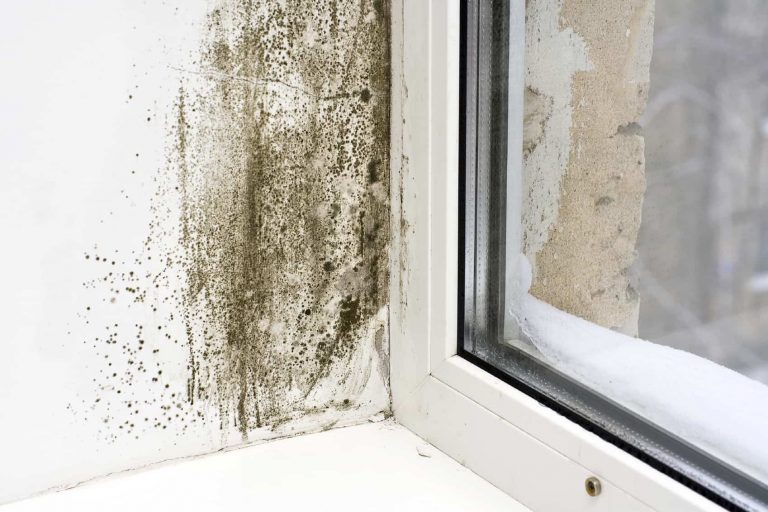
Mould or damp patches near external walls, in ceiling corners, or adjacent to the roofline are among the most significant indicators that water is entering the building envelope from outside. The entry point is almost always a drainage system failure of some kind: gutter overflow that saturates the fascia and works into the wall cavity, a flashing that has failed at a roof penetration, or a downpipe that is directing water against the wall rather than away from it.
The mould or stain you see inside the home is the endpoint of a process that began outside. Treating the internal symptom without investigating the external drainage system is the maintenance mistake that leads to the same problem reappearing within one or two rain events.
Vertical staining streaks on external walls below the gutter line are one of the most reliable and most commonly visible signs of a drainage system failure. This staining occurs when water consistently overflows the outer edge of the gutter rather than draining through the downpipe.
The staining itself is a permanent record of a failure that has happened multiple times. Each occurrence where water runs down the wall rather than through the downpipe deposits mineral and organic material that builds the stain progressively. A wall that shows this staining has experienced many overflow events, not just one.
Persistent wet ground or pooling water at the base of an external wall after rain that does not clear within a few hours points to either gutter overflow, a failed downpipe outlet, or ground drainage that is directing water toward the building rather than away from it. In each case, the water is going somewhere it should not and contacting building materials that are not designed for prolonged moisture exposure.
The financial consequences of this over time are significant. Foundation soil saturation, sub-floor moisture, and slab edge deterioration are all downstream consequences of water consistently pooling at the building base. The article on why new homes in Western Sydney still experience roof problems includes useful context on how drainage design failures, even in recent construction, produce exactly these symptoms through inadequate downpipe sizing and stormwater management.
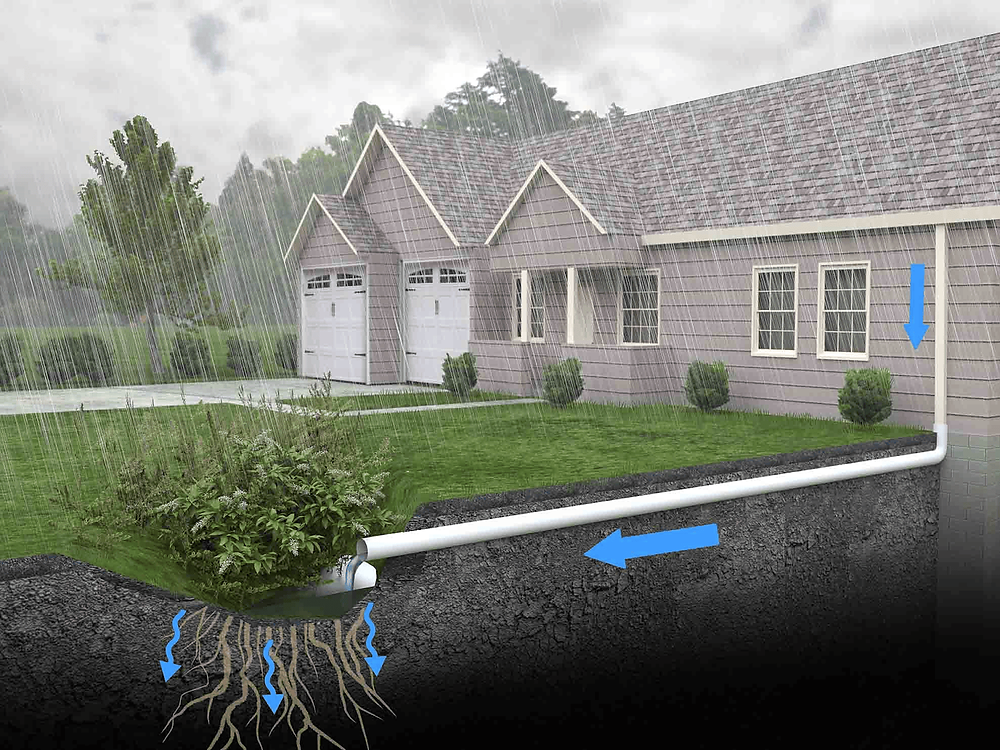
An unexpected strip of particularly lush or fast-growing vegetation along a specific section of the garden, particularly along a fence line or near the building perimeter, can indicate a leaking underground pipe in that zone. Tree roots, grass, and other plants respond vigorously to an underground water source, and the result is visible above ground as a zone of unusual growth relative to surrounding areas.
This is a subtle sign that many homeowners do not connect to their drainage system, but it is a reliable one once you know to look for it.
Understanding the most common failure modes across different parts of the drainage system helps homeowners prioritise their response and distinguish between issues that require urgent attention and those that can be addressed on a scheduled basis.
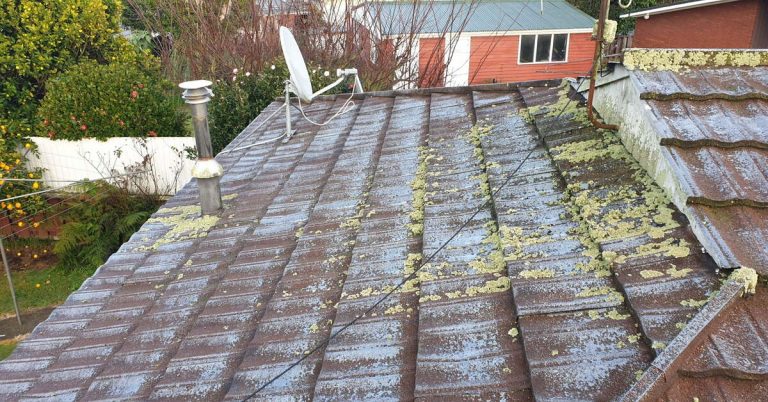
The most common and most consequential drainage failures in Australian residential properties occur in the roof and gutter system. Blocked gutters, sagging downpipes, corroded joints, and insufficient capacity for local rainfall intensity all produce symptoms that follow the patterns described above: overflow staining, fascia damage, internal moisture, and foundation moisture.
For a thorough understanding of what professional investigation of a roof drainage system involves, the article on what professional gutter cleaning in Sydney actually involves provides useful context on what a proper service assessment covers and what inspection outcomes to expect.
The response to a roof and gutter drainage failure depends on the nature of the failure:
For internal waste pipe blockages, the response pathway depends on severity:
The distinction between the first and second categories is important. A drain cleaner poured into a single slow fixture may appear to resolve the problem temporarily while the actual restriction further down the line remains and continues to develop.
Stormwater system failures that affect garden drainage, pits, and underground lines require assessment to distinguish between blockages, root intrusion, and structural failures:
For properties with mature trees near underground stormwater lines, periodic CCTV inspection every five years is a practical preventative measure that identifies root intrusion before it causes the more expensive failure modes.
For homeowners who have identified drainage concerns that have progressed to the point of structural gutter or downpipe damage, the gutter repair page provides information on what professional assessment and repair of a compromised drainage system involves.
For more articles on drainage systems, roof maintenance, and related topics relevant to Australian homeowners across different property types and climate conditions, the Gutter Gorilla blog provides a comprehensive ongoing resource.
The dangerous signs your drainage system is struggling are rarely dramatic at first. They start as gurgling drains, slow downpipe flow after rain, a faint damp smell in a room near an external wall, or a streak of staining on the render below the gutter line. These things are easy to dismiss. They are also easy to investigate, and the cost of investigating them promptly is always substantially lower than the cost of addressing what they become if they are not. A drainage system that is caught struggling can be helped back to function. One that has been struggling unchecked for two or three years has usually caused damage that extends well beyond the drainage system itself.