Western Sydney is no stranger to severe weather. The region sits in a geography that makes it particularly vulnerable to the kind of fast-moving, high-intensity storm systems that produce the most damaging combination of hail, wind, and rainfall in a short period. For homeowners in suburbs from Parramatta to Penrith, Blacktown to Campbelltown, storm-related roof and gutter damage is not a rare event. It is a recurring reality that the housing stock here has to contend with on a regular basis.
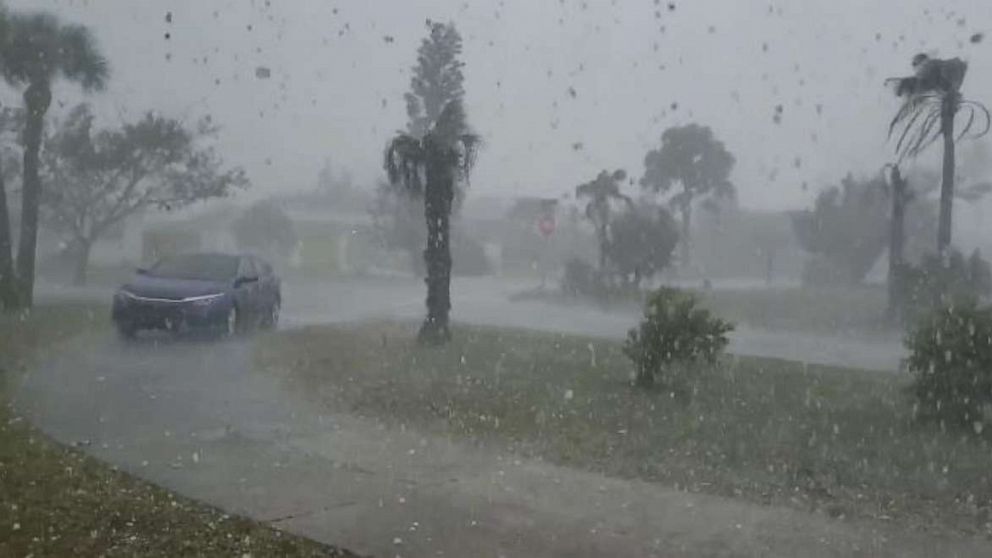
What makes Western Sydney storms especially damaging is not just their frequency but their character. The storms that develop in this region can escalate from clear sky to severe conditions in under an hour, and they often bring hailstones large enough to crack tiles, puncture metal roofing, and destroy solar panels in a matter of minutes. Understanding how this damage occurs, what it looks like, and how to respond effectively is essential knowledge for anyone who owns a home west of the ranges.
To understand why storm damage in Western Sydney is so serious, it helps to understand the meteorological conditions that produce it.
Western Sydney, and the corridor running roughly from the Blue Mountains foothills through to the inner west and south-west, sits within what meteorologists informally call Australia’s hailbelt. This is the zone where cold polar air masses, warm moist air from the coast, and the elevated terrain of the Blue Mountains combine to create the thermodynamic instability that produces severe convective storms with large hail.
The Insurance Council of Australia has consistently identified hail events in the Greater Sydney and western Sydney region as among the most costly natural disaster insurance events in Australian history. The October 1999 Sydney hailstorm alone caused over two billion dollars in insured damage in today’s values, and significant hail events have occurred repeatedly in the decades since.
For roofing and gutter systems, hailstones above approximately 2.5 centimetres in diameter begin causing direct structural damage to tiles, sheeting, and gutters. Western Sydney storms regularly produce hailstones well beyond this threshold.
Several characteristics of Western Sydney’s housing stock and geography amplify storm damage risk:
The combination of intense storm events and vulnerable roofing materials explains why insurance claims after Western Sydney hail events tend to be both numerous and high-value.
The Bureau of Meteorology records storm cell intensity across the Sydney basin, and the data consistently shows that storms that initiate over the Blue Mountains or approach from the north-west tend to retain or increase their intensity as they cross the Western Sydney basin. The relatively flat topography of the Cumberland Plain offers little terrain-based dissipation, and the urban heat island effect of the densely developed western suburbs can actually strengthen convective activity as storm cells pass over.
This means that a storm that looks severe on the radar when it is over the mountains may be at or near peak intensity when it reaches Blacktown, Seven Hills, or Campbelltown.
The damage that severe storms cause to residential roofing in Western Sydney falls into several distinct categories, each with different implications for repair urgency and cost.
Concrete and terracotta roof tiles respond to large hail impacts differently depending on their age and condition. New tiles have reasonable impact resistance. Tiles that have been in service for twenty or more years, with surface coatings degraded by UV and biological growth, are significantly more brittle and crack or fracture at lower impact energies.
Hail damage to tiles is not always immediately obvious from ground level. Small cracks on the tile face may not be visible from a ladder inspection but will allow water to penetrate through the tile surface on the next significant rainfall. A professional roof inspection after any hail event that produced stones above 2.5 centimetres is the only reliable way to assess the extent of tile damage across a full roof area.
Corrugated iron and metal deck roofing profiles are particularly vulnerable to hail impact because they can be dented or punctured by large hailstones in ways that create direct water entry pathways. A dented metal roof surface that has not been punctured may look cosmetically damaged but remain functionally waterproof. A surface with hail punctures may appear visually similar but will leak at every puncture point during the next rainfall.
The age and gauge of the metal sheeting are significant factors. Older corrugated iron in Western Sydney homes is typically a lighter gauge than modern metal roofing products and has less impact resistance. Corrosion that has thinned the metal further reduces the impact force required to cause perforation.
Gutters bear the combined impact of hailstones falling directly into the channel and the enormous volume of water and debris that washes off the roof surface during a severe storm. Large hailstones can dent and crack plastic gutter products and deform thinner metal profiles. Downpipes can be overwhelmed by the sudden surge of water and debris, leading to blockage events that cause the entire gutter run to back up and overflow within minutes of peak rainfall beginning.
Wind-driven debris is another significant source of gutter damage during Western Sydney storms. Branches, leaves, bark strips, and in severe events, structural debris from neighbouring properties can impact gutters directly, causing them to pull away from fascia fixings or develop point damage to gutter profiles.
Ridge capping and flashings around roof penetrations are exposed to the most severe wind and rainfall forces during a storm event. Wind pressure differentials can lift sections of ridge capping that have weakened mortar bedding, and the high-velocity wind-driven rain characteristic of severe Western Sydney storms can force water through flashing joints that would remain waterproof under normal rainfall conditions.
Flashing failure during a storm is a common cause of the sudden internal water entry events that homeowners describe as unexpected. The flashing may have been performing adequately for years but under storm loading conditions it fails, and water enters the ceiling space in volume during the event.
Understanding the specific mechanisms behind storm damage helps homeowners prioritise pre-storm preparation and post-storm inspection.
A hailstone’s damage potential is determined by its size and the velocity at which it falls, which is influenced by wind speed and updraft conditions within the storm cell. Western Sydney severe thunderstorms can produce sustained wind gusts above 90 kilometres per hour, which means hailstones are not falling vertically but are being driven at angle across the roof surface. The combination of falling speed and horizontal wind velocity creates impact energies that exceed what purely vertical fall would produce.
This is why hail damage in Western Sydney storm events is often more severe than the reported hailstone size alone would suggest.
During a severe storm, gutters receive both the rainfall coming off the roof surface and the debris that the same rainfall and wind strip from surrounding vegetation. A gutter that enters a storm event with any existing debris loading is at high risk of complete blockage within the first ten to fifteen minutes of peak rainfall.
Once blocked, the gutter becomes a temporary dam. Water backs up across the full run, exceeds the outer edge, and cascades down the external wall. In a storm delivering 50 to 80 millimetres per hour, the volume of overflow in this scenario is significant enough to cause damage in a single event that would otherwise take years of slower, chronic overflow to produce.
Modern gutter installation standards require fixing brackets at intervals appropriate for the gutter profile and expected wind loading. Older installations may have been fixed at wider spacings or used brackets and screws that have since corroded. During storm-force winds, the combination of water loading in the gutter channel and wind pressure on the gutter face creates forces that can exceed the capacity of degraded fixings.
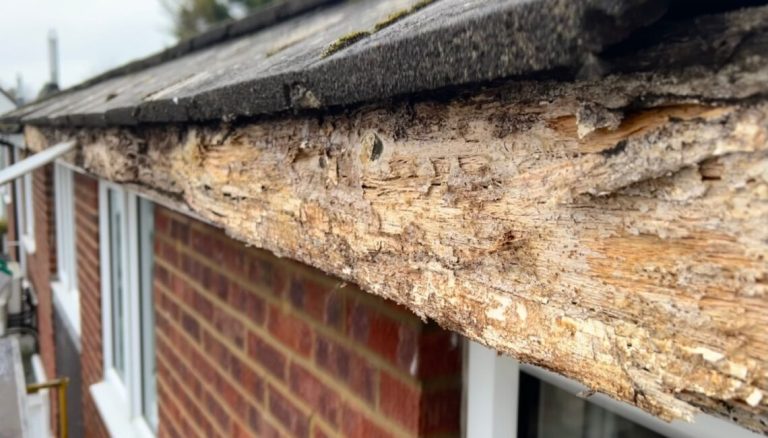
A section of gutter that pulls away from the fascia during a storm event is usually the end result of a fixings failure that had been developing quietly through corrosion and fascia timber softening for some time before the storm provided the final loading that caused separation.
The most effective strategy for managing storm damage risk in Western Sydney combines genuine pre-storm preparation with a disciplined post-storm response.
For Western Sydney homeowners looking for localised information on gutter and roof services in the region, the Western Sydney page covers what professional maintenance and post-storm inspection services are available locally.
For more articles on gutter maintenance, storm preparation, and related roof care topics, the Gutter Gorilla blog provides ongoing guidance relevant to Australian homeowners across different climates and property types.
Western Sydney storms are a genuine and recurring threat to residential roofing and drainage systems. The combination of hail intensity, wind loading, debris volume, and the vulnerability of an ageing housing stock creates damage outcomes that are more severe and more costly than comparable events produce in less exposed parts of Greater Sydney. Understanding the mechanisms, preparing systematically before each storm season, and responding with appropriate urgency when damage occurs are the practical steps that protect both the structure of the building and the financial investment it represents.