Curl Curl sits on Sydney’s northern beaches between Freshwater and Dee Why, with direct ocean exposure on its eastern side and the elevated terrain typical of the northern beaches peninsula. It is a suburb where rooftop solar systems are common, generation potential is strong, and the environmental conditions create specific maintenance demands that directly affect how much energy those systems actually produce.
For homeowners in Curl Curl who want to get the most from their solar investment, the path to maximising performance is not complicated. It requires understanding the local conditions that work against output, building a maintenance approach that addresses those conditions specifically, and monitoring the system closely enough to catch problems before they compound into significant losses.
This guide covers what that looks like in practice.
Before diving into specific optimisation techniques, it helps to understand what makes Curl Curl’s environment distinctive for solar energy production compared to inland or more sheltered suburban locations.
Curl Curl faces north-east and receives excellent solar irradiance across most of the year. Proximity to the ocean means cloud cover patterns are somewhat different from inland areas, with morning sea mist common in certain seasons, but the overall annual irradiance is consistently strong. Rooftop systems on correctly oriented north to north-west facing roofs in Curl Curl have the generation fundamentals to produce well above average output for Sydney.
The same ocean proximity that provides those conditions also introduces the factors that reduce performance when a system is not actively maintained:
The article on whether sea air affects solar panel performance provides detailed context on the specific mechanisms by which coastal conditions reduce output and what homeowners in exposed locations should understand about their environment.
Studies of solar system performance in coastal versus inland Australian environments consistently show that unmanaged coastal systems experience higher soiling losses than comparable inland installations. The marine aerosol component binds more firmly to glass than dry dust, resists removal by rainfall more effectively, and accumulates at a higher rate per unit time.
For a Curl Curl system that is not cleaned for twelve months, soiling loss in the range of six to ten percent is realistic. Over a full generation year, that loss represents a meaningful reduction in the energy value the system was designed to deliver.
Optimising a solar system in Curl Curl requires addressing both the environmental factors that are specific to the location and the general system-level practices that apply to all residential solar installations.
The most direct way to maintain output in Curl Curl is to keep panel surfaces clean. For coastal northern beaches properties, the recommended cleaning frequency is higher than the national average guidance of once or twice per year. Two to three professional cleans per year is appropriate for most Curl Curl properties, with the following timing producing the best outcomes:
The measurable output improvement from cleaning a soiled coastal panel is not a marginal gain. Independent testing in Australian conditions has shown output recovery of five to fifteen percent following cleaning of panels that had accumulated coastal soiling over a six to twelve month period. For a 6.6 kilowatt system in Curl Curl, that recovery translates to hundreds of kilowatt hours of additional annual generation.
For homeowners who track their monitoring data closely, the output difference between a recently cleaned system and the same system before a clean is typically visible in the data within the first clear day following the service.
Not all cleaning approaches are equally effective for removing marine soiling. Standard garden hose rinsing may remove loose dust but is often insufficient to dissolve and remove the salt-bonded film that accumulates in coastal environments.
Effective cleaning of Curl Curl solar panels should use:
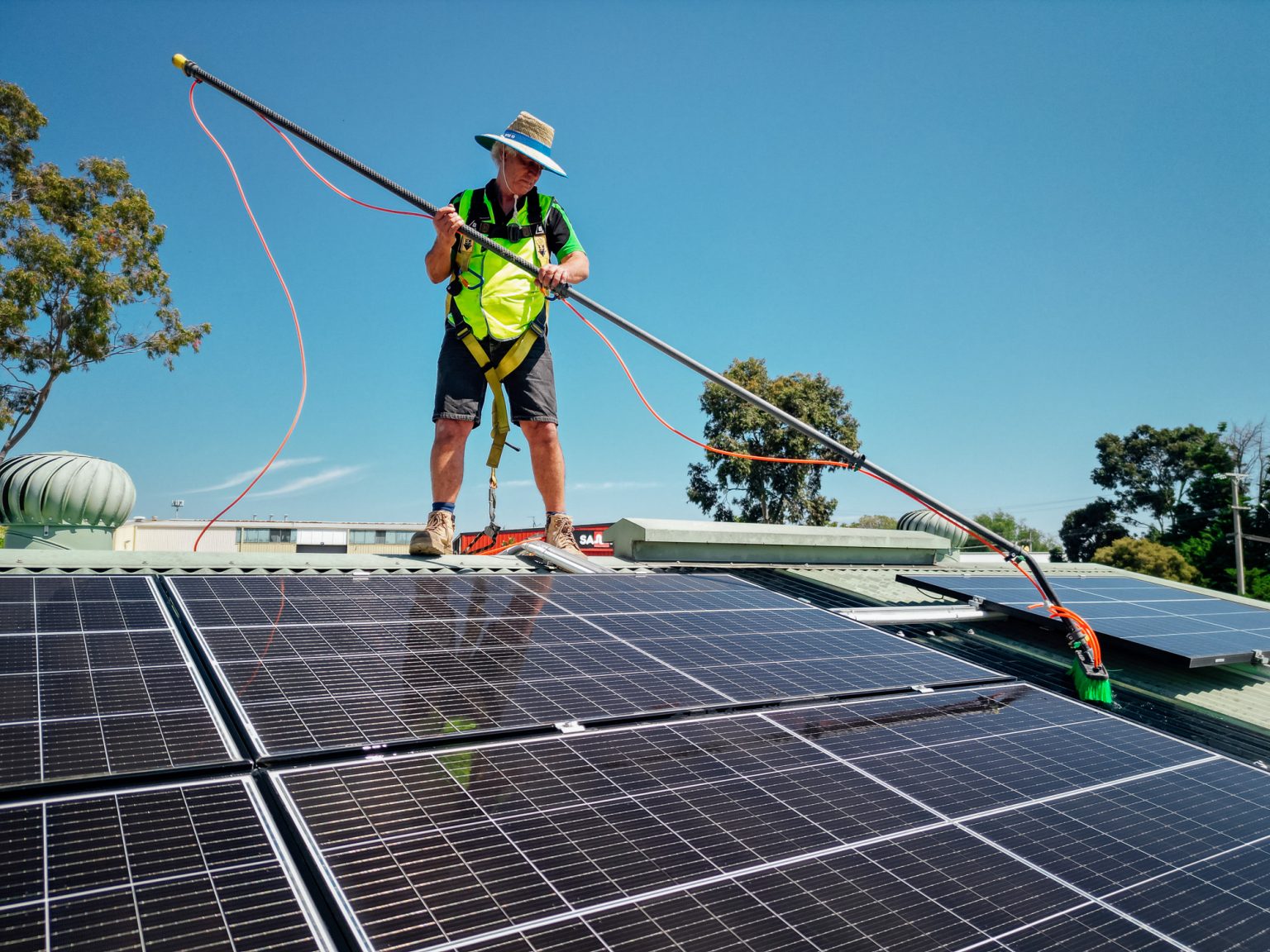
Professional solar panel cleaning that uses purified water systems and trained technicians produces consistently better results in coastal environments than DIY approaches using tap water and standard cleaning tools.
Beyond regular cleaning, several other techniques contribute to maximising solar energy output in Curl Curl’s specific conditions.
The single most underutilised tool for maximising solar performance is the monitoring data that most modern systems already generate. Homeowners who review their generation data regularly are the ones who catch performance drops early, identify fault events promptly, and have the baseline reference needed to confirm that maintenance has actually restored output.
For a Curl Curl system, the most informative monitoring habit is to note peak generation output on clear summer and winter days and use these as reference points throughout the year. A clear day that produces significantly less than comparable clear days from the previous season is a signal that something has changed, whether from soiling, shading, or a component issue.
The northern beaches peninsula has dense vegetation in many streets and garden environments. Trees and large shrubs that were not significantly shading a rooftop array when it was installed can develop into meaningful shading sources within five to ten years of growth.
Assess the shading situation across the panel array at least every three years, with particular attention to the hours between 10am and 2pm when generation potential is highest. Selective pruning of vegetation that is casting shadows on the array during these hours can produce a meaningful and permanent output improvement without requiring any system changes.
For Curl Curl systems installed during the 2010 to 2016 boom period, age-related panel degradation and component issues are increasingly relevant. All solar panels degrade slightly in output over their service life, with typical annual degradation rates of 0.5 to 0.8 percent per year. After ten or more years, this cumulative degradation is noticeable in output data.
More significant issues that can develop in older systems include:
A comprehensive inspection of an older Curl Curl system by a Clean Energy Council accredited installer provides a clear picture of which components are approaching the end of their useful life and what replacement or maintenance action will deliver the best return.
Output maximisation is only part of the performance picture. In the current NSW electricity market, where feed-in tariff rates are substantially lower than retail electricity prices, maximising the proportion of solar generation consumed directly in the home produces a better financial return than maximising total generation that is then exported.
Time-of-use habits that align high-consumption appliances including dishwashers, washing machines, pool pumps, and EV charging with peak solar generation hours increase self-consumption without requiring any system changes. For Curl Curl homeowners with battery storage, the battery system should be configured to maximise self-consumption rather than maximising morning export to the grid.
Bringing together the elements above into a consistent maintenance framework gives Curl Curl homeowners the best possible return from their system over its full operational life.
For Curl Curl homeowners looking for information on local solar maintenance services, the Curl Curl page provides details on what professional services cover in the area.
Maximising solar panel performance in Curl Curl is not about installing more capacity or changing system configuration. It is about consistently maintaining what is already there against the specific environmental pressures that the coastal northern beaches location creates. Clean panels, active monitoring, managed shading, and timely response to system issues are the practical foundations of performance that delivers on the investment over the full system lifetime.